


NEWS BRIEF
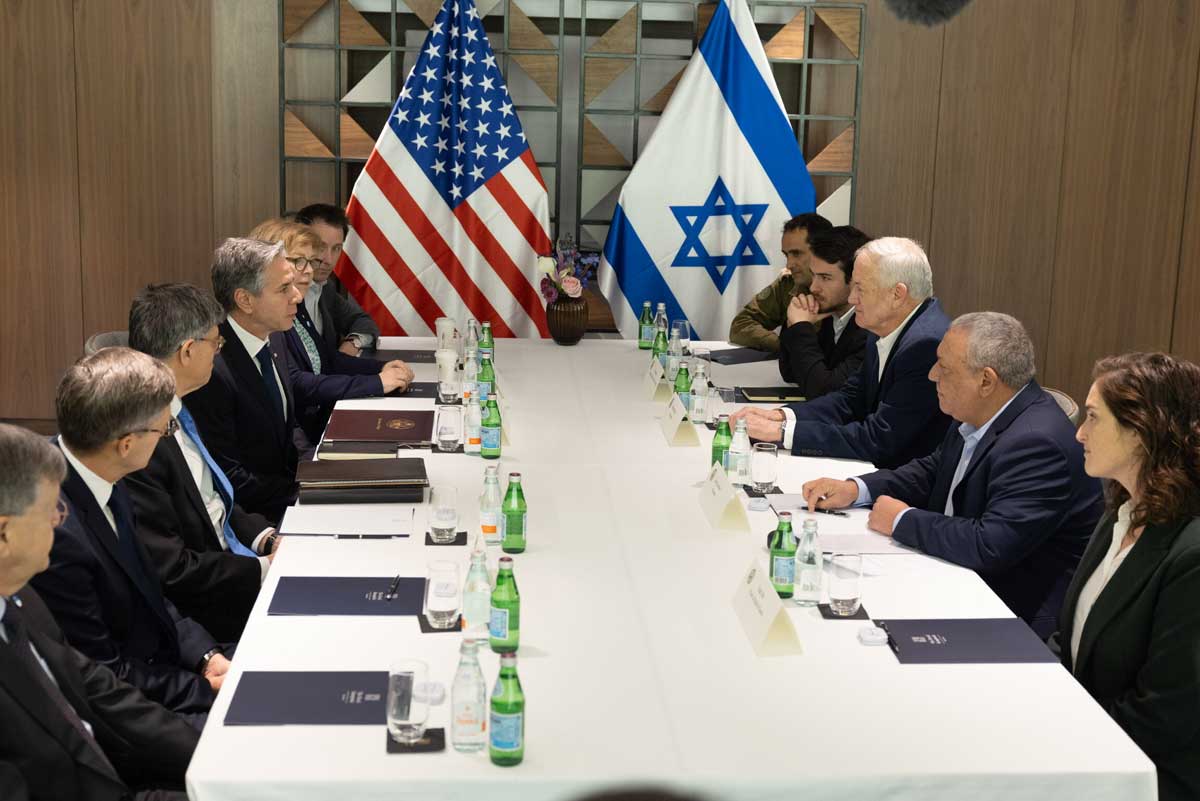
U.S. President Donald Trump declared he will not allow Israel to annex the West Bank, stating firmly, “It’s time to stop.” The announcement came as Trump revealed ongoing talks with Israeli and Arab leaders about a potential Gaza deal, which he said “could happen pretty soon,” signaling a shift in his administration’s approach to the Israeli-Palestinian conflict.
WHAT HAPPENED
- Trump explicitly rejected West Bank annexation, contradicting calls from far-right Israeli politicians and aligning with Arab leaders’ warnings.
- The president confirmed discussions with Israeli Prime Minister Benjamin Netanyahu and Middle Eastern representatives about a Gaza ceasefire and hostage deal.
- Trump’s stance contrasts with recent Israeli settlement expansions, including the approved E1 project that would bisect the West Bank.
- The U.S. continues circulating a 21-point peace plan among Arab nations while supporting humanitarian efforts to break Gaza’s naval blockade.
WHY IT MATTERS
- Trump’s annexation opposition marks a significant policy shift, potentially restraining Netanyahu’s coalition partners and preserving two-state solution prospects.
- The statement aligns the U.S. with recent Palestinian state recognitions by European allies, despite previous condemnations of those moves.
- Combined with Gaza deal optimism, the position suggests coordinated U.S. pressure on Israel for diplomatic concessions.
- The stance may ease tensions with Arab partners who warned annexation would destabilize the region.
IMPLICATIONS
- Netanyahu’s government faces internal strain as Trump’s rejection of annexation clashes with demands from the far-right coalition, potentially threatening the ruling alliance’s cohesion.
- While Trump reaffirmed support for Israel, his public opposition to annexation signals a willingness to exert pressure on key policy issues, possibly foreshadowing conditions on military or diplomatic backing.
- By blocking annexation, Trump inadvertently reinforces recent European recognitions of Palestinian statehood, creating diplomatic momentum that could revive stalled two-state negotiations.
- Arab states—including Saudi Arabia, may view Trump’s stance as a cue to deepen cooperation on Gaza mediation and post-war planning.
This briefing is based on information from Reuters.
