


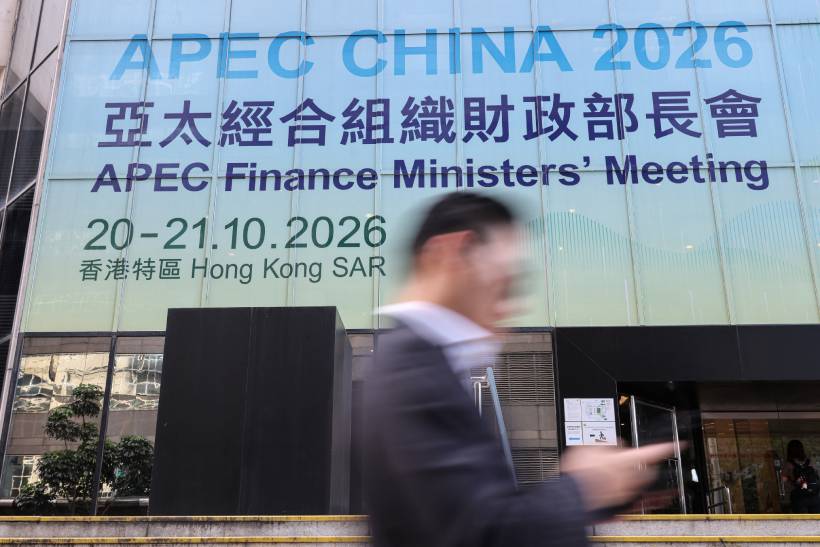
With the theme Building an Asia-Pacific Community to Prosper Together, this APEC summit highlights three priority areas: openness, innovation, and cooperation. I can view these three areas, and new breakthroughs in the agenda are most likely to emerge from the Shenzhen summit from many sides. The Asia-Pacific Economic Cooperation (APEC) Summit will be held in Shenzhen, China, on November 18 and 19, 2026 (preceded by the CEO Summit on November 17 and 18), under the theme “Building an Asia-Pacific Community for Shared Prosperity.”
– First: A Look at the Three Priority Areas (Openness, Innovation, and Cooperation)
1) Openness: This is seen as the direct response to the rising tide of trade protectionism, increasing economic fragmentation, and tariffs imposed by major powers. In a region that accounts for approximately 62% of global GDP and half of international trade, openness is essential to safeguarding supply chains and facilitating the free movement of goods, services, and investments across borders.
2) Innovation: This represents the new engine of growth in the era of digital transformation and the artificial intelligence economy. The choice of Shenzhen (considered China’s Silicon Valley and home to major technology companies) positively reflects the forum’s vision of making technology, artificial intelligence applications, robotics, the green economy, and digital transformation key pillars for boosting productivity and addressing climate and economic challenges.
Stay ahead of the geopolitical week.
MD Briefing delivers expert analysis across five global fronts — the Indo-Pacific, energy, geoeconomics, European security, and the Middle East — every Monday morning. Free.
3) Cooperation: APEC is based on the principle of consensus and voluntary commitments, rather than legally binding decisions. This makes cooperation a flexible tool for building bridges and overcoming sharp geopolitical differences. This allows the 21 economies to work together, even with differing policies, to ensure financial stability and energy security.
– Second: Expected New Qualitative Achievements on the Shenzhen Summit Agenda
Consensus on the Shenzhen Leaders’ Declaration: China and the member states aim to forge a broad consensus that reaffirms their commitment to free trade and supports the digital economy through:
1) AI and Supply Chain Agenda: Qualitative initiatives are expected to emerge, addressing AI governance, ensuring the flow of chips and technology, and protecting digital infrastructure from shocks and geopolitical tensions.
2) Review of the Aotearoa Plan of Action 2040: The Shenzhen Summit will witness the first five-year review of the Aotearoa Plan of Action, assessing progress toward the 2040 vision of a free, dynamic, and peaceful Asia-Pacific region.
3) High-Level Diplomatic Meetings (Potential Trilateral Summit): The international community anticipates potential meetings on the sidelines of the summit (such as possible talks or a trilateral summit between the leaders of the United States, China, and Russia) to discuss trade truces, global security, nuclear disarmament, and ending regional conflicts.
4) Outcomes of the ABAC CEO Summit: Focus on financing the green transition, the circular economy, and facilitating trade through smart cities and the Guangdong-Hong Kong-Macau Greater Area.
Here, for over 30 years, APEC has adhered to the principles of voluntarism, consensus-building, and non-binding commitments. Amidst a growing global governance deficit, this soft law mechanism is more prone to stagnation, and inherent flexibility serves as a vital baseline for sustaining dialogue across the Asia-Pacific. The soft law model adopted by the Asia-Pacific Economic Cooperation (APEC) is a double-edged sword in the current global governance crisis. While it grants the organization a unique ability to remain a comprehensive dialogue platform, it also makes it vulnerable to slowness and difficulty in resolving major contentious issues.
– To understand this delicate balance, the organization’s reality can be analyzed from two main perspectives:
– First: Flexibility as a cornerstone for continued dialogue (strengths)
The principles of voluntary action and consensus-building act as a safeguard against the organization’s disintegration, especially in a region characterized by extreme economic and political diversity, through:
1) Accommodating competing powers: The organization includes major economies with divergent visions, such as the United States, China, and Russia. Its non-binding nature alleviates countries’ concerns about infringing on their sovereignty, keeping high-level communication channels open even at the height of geopolitical tensions.
2) A laboratory for ideas and policies: The organization serves as an incubator for experimenting with new economic standards in areas such as the digital economy, supply chains, and clean energy. This environment allows countries to test policies and exchange experiences without immediate legal pressure.
3) Addressing development gaps: The voluntary commitment of developing economies within the organization allows them to participate actively and adopt reforms at their own pace, rather than being forced into uniform commitments that they may be unable to implement.
– Second: Risks of Stagnation and Declining Effectiveness (Weaknesses)
With the rise of trade protectionism and the erosion of global trade rules, this model faces existential challenges that threaten its stagnation through:
1) The slowest boat rule: Absolute reliance on consensus leads to lowering the bar of ambition to accommodate the most conservative country’s position. This hinders reaching bold or binding agreements on pressing issues such as reforming the World Trade Organization or combating climate change.
2) Difficulty in issuing joint statements: Political polarization in recent years has led to the failure of some WTO meetings to issue unified final statements, reflecting the fragility of consensus in the face of immediate security and political crises.
3) Implementation Gap: The absence of binding accountability and oversight mechanisms means that many voluntary commitments remain unfulfilled, pushing countries seeking tangible results to pursue more stringent and binding trade agreements, such as the Comprehensive and Progressive Agreement for Trans-Pacific Partnership, or CPTPP.
In conclusion and assessment, given the current global governance deficit, the APEC model is not a failure; rather, its role has shifted from a driver of binding trade liberalization to a platform for managing competition and preventing disruption. While this model suffers from legislative and executive paralysis on contentious issues, its inherent flexibility remains the primary reason the organization continues to be one of the few forums capable of bringing competing powers together around a single table in the Asia-Pacific region.
Given the recent weakening of language regarding the WTO and multilateralism in certain multilateral declarations—coupled with the parallel development of regional agreements like the CPTPP and RCEP. China, as the host, leverages the APEC summit to rebuild consensus and advance the Free Trade Area of the Asia-Pacific (FTAAP) from a mere vision toward more substantive institutional alignment. As the host of the Asia-Pacific Economic Cooperation (APEC) summit in Shenzhen in November 2026, China has the opportunity to transform the Free Trade Area of the Asia-Pacific (FTAAP) from a long-term vision into a practical institutional framework. This can be achieved through regulatory alignment among existing trade blocs and the adoption of flexible, sector-specific commitments.
– This strategy—aligned with the summit’s theme, Building an Asia-Pacific Community for Shared Prosperity and coinciding with the 20th anniversary of the FTAAP initiative—is built upon several key pillars, through:
– First: An Institutional Bridge Between the CPTPP and RCEP
Rather than viewing regional trade agreements as competing paths, Beijing can leverage the APEC platform to narrow the technical gaps between them, through:
1) Harmonizing Rules of Origin: China can work toward standardizing customs procedures and the overlapping rules of origin between the Regional Comprehensive Economic Partnership (RCEP) and the Comprehensive and Progressive Agreement for Trans-Pacific Partnership (CPTPP), thereby facilitating the movement of goods and reducing costs for businesses.
2) Expanding Membership and Openness: By pursuing formal accession to the CPTPP and playing a pivotal role in upgrading the China-ASEAN Free Trade Area (CAFTA 3.0), China can demonstrate its commitment to high-standard trade rules and foster mutual trust.
– Second: Focusing on Early Harvests in the Digital and Green Economy
The nature of APEC—based on voluntary consensus—allows for bypassing political stalemates surrounding traditional tariff issues by focusing on modern growth sectors through:
1) Digitization of trade and data flows: Beijing seeks to secure independent outcomes from leaders, including the mutual recognition of electronic trade documents, the implementation of digital bills of lading, and the facilitation of cross-border data flows while ensuring privacy protection.
2) Artificial intelligence governance and the green transition: The Chinese presidency is integrating standards for a low-carbon green economy and artificial intelligence applications into the core of the regional integration agenda, establishing common rules before regulatory barriers become entrenched between nations.
– Third: Strengthening Supply Chains and Building Capacity
To counter protectionist tendencies and the fragmentation of supply chains, China is focusing on practical aspects that directly concern the business community through:
1) Connecting supply chains. The summit will conclude the final review of the Supply Chain Connectivity Framework Action Plan III (SCFAP III), with an emphasis on ensuring the resilience of the flow of essential goods, energy products, and food.
2) Activating the Capacity Building Needs Initiative (CBNI): China is utilizing this initiative to assist developing economies within APEC in enhancing their technical and legal readiness, thereby narrowing the development gap that has historically hindered their participation in comprehensive free trade agreements.
3) Engaging the private sector: Beijing relies on the APEC Business Advisory Council (ABAC) to push for the transformation of corporate recommendations into concrete government commitments, leveraging the momentum provided by Shenzhen, a city that serves as a model for innovation and industrial openness.
– Fourth: Revitalizing Multilateralism through WTO Reform
To counter the waning support for multilateralism in certain international forums, China is using its chairmanship to build a regional front in defense of a rules-based trading system through:
1) Developing Joint Statement Initiatives (JSIs): Within APEC, China is advocating for collective negotiations under the World Trade Organization (WTO)—specifically regarding e-commerce, investment facilitation, and fisheries subsidies—to serve as building blocks for a broader Free Trade Area of the Asia-Pacific (FTAAP).
2) Reviving the Dispute Settlement Mechanism: Beijing seeks to include a political consensus in the leaders’ final declaration that supports substantive WTO reform and the restoration of an effective dispute settlement system, thereby providing regional integration with a stable international legal framework.
This year’s summit identifies artificial intelligence (AI) and the digital economy as key topics. I can assess the shift of AI governance from a purely technical issue to a matter of regional economic governance. Especially, discussions at the 2026 APEC summit in Shenzhen reveal that artificial intelligence (AI) governance has evolved from a matter of purely technical standards into a cornerstone of regional economic governance and trade facilitation. This shift is linked to the integration of AI technologies into productive sectors and supply chains, while simultaneously addressing the digital divide and data-related risks to ensure shared economic growth among APEC member economies.
The shift in artificial intelligence (AI) governance—from a purely technical matter to a central issue in regional economic governance—represents an inevitable strategic turning point. Algorithms are no longer merely isolated software tools confined to laboratories; they have become the primary drivers of supply chains, labor markets, capital flows, and cross-border trade. The dimensions and implications of this shift are outlined below:
– First: Drivers of the Shift from Technical to Regional Economic Governance
Integration into critical infrastructure. Today, the financial, healthcare, logistics, and energy sectors rely on AI systems to make direct operational decisions that impact gross domestic product (GDP) through:
1) Cross-border data flows: Training large-scale linguistic and economic models requires the regional exchange of data, effectively transforming data protection and privacy regulations into regional trade and economic agreements.
2) Avoiding regulatory fragmentation: Divergent legislation across neighboring countries increases compliance costs for startups and investors, necessitating regional coordination to harmonize standards and facilitate business expansion.
– Second: Benefits of Regional Economic Governance
1) Enhancing competitiveness and attracting investment: Unified regional regulatory frameworks create a vast, stable digital market, encouraging global investment funds to inject capital into data centers and cloud computing infrastructure within the region.
2) Consolidating shared digital sovereignty: Joint regional action enables countries to develop local artificial intelligence models that reflect their own cultures and languages, thereby reducing absolute reliance on foreign models that dominate the market.
3) Ensuring a fair distribution of the dividends of digital transformation: Coordinated economic policies help bridge the digital divide between developed and developing nations within the region, while ensuring that local labor markets benefit from the creation of new jobs.
– Third: Existing Challenges and Risks
1) Balancing regulation and innovation: Imposing excessive regulatory constraints too early can stifle startups, while a lack of oversight may pave the way for technological monopolies and privacy violations.
2) Disparities in technical readiness: Variations in telecommunications infrastructure and human capital make it difficult to implement unified governance standards with equal speed and efficiency across all countries in the region.
3) Cross-border cyber risks: A shared regional reliance on intelligent systems necessitates the development of integrated cyber-defense frameworks to prevent technical glitches or cyberattacks from spreading and affecting the economies of the entire region.
There are the primary points of contention among Asia-Pacific economies regarding issues such as cross-border data flows, algorithmic regulation, and digital trade rules. The Shenzhen summit can facilitate the establishment of a foundational framework for cooperation. Especially, the primary points of contention among Asia-Pacific economies revolve around balancing the free flow of data with the requirements of digital sovereignty and national security, as well as differing perspectives on the protection of intellectual property related to algorithms. The Shenzhen Summit (APEC 2026), scheduled for November 2026, could potentially establish a non-binding framework for coordinating technical standards and building trust; however, the realization of a comprehensive, legally binding trade agreement remains unlikely due to strategic rivalry among major powers. This is driven by the following factors:
– First: Key Areas of Disagreement in the Digital Economy
Economies in the region are divided into camps with distinct regulatory priorities—a reality clearly reflected in the differences between agreements such as the Comprehensive and Progressive Agreement for Trans-Pacific Partnership (CPTPP) and the Regional Comprehensive Economic Partnership (RCEP), through:
1) Data Flow and Localization: Economies such as Japan, Singapore, Australia, and the United States advocate for the free cross-border transfer of data, opposing mandates that would require companies to store data locally. Conversely, countries like China, Vietnam, and Indonesia impose strict data localization requirements, mandating that data be stored within their national borders, citing concerns related to national security, privacy, and regulatory oversight.
2) Regulation of Algorithms and Source Code: High-standard agreements include provisions that prevent governments from requiring foreign companies to disclose their source code or algorithms as a condition for market entry. On the other hand, some economies refuse to relinquish their right to examine and regulate algorithms for the purposes of public safety, antitrust enforcement, and consumer protection.
3) Digital trade rules and taxation: There are divergent positions regarding the extension of customs duty exemptions for electronic transmissions, as well as the imposition of digital services taxes on major technology companies. Furthermore, differences exist concerning the treatment of foreign versus domestic digital firms and the extent to which digital-related disputes should be subject to binding settlement mechanisms.
4) Artificial intelligence governance: The region is divided between an approach that prioritizes fostering open innovation and minimizing proactive restrictions, and another that emphasizes prior government oversight, mandatory risk assessments, and the regulation of AI-generated content.
– Second: The role of the Shenzhen Summit (APEC 2026) in building a framework for cooperation
The Chinese city of Shenzhen will host the Asia-Pacific Economic Cooperation (APEC) Leaders’ Summit on November 18–19, 2026, under the theme of building a prosperous community for the region. The summit’s potential to establish a foundational framework rests on several practical factors, including:
1) The non-binding nature of the forum: APEC relies on consensus and voluntary commitments rather than legally binding treaties. This flexibility allows nations with contrasting systems to agree on general guidelines and capacity-building programs without compromising their sovereign red lines.
2) A focus on infrastructure and practical digitalization: The summit’s efforts are directed toward concrete technical measures, such as standardizing customs data formats, establishing mutual recognition for electronic commercial documents, and securing digital supply chains, all of which are widely supported as means to bolster small and medium-sized enterprises (SMEs).
3) Institutional coordination initiatives: China’s preparations for the summit have paved the way for dialogue platforms and the harmonization of rules. A notable example is the launch of the China Center for Promoting Cross-Border Data Flow Cooperation in the Qianhai district of Shenzhen, which provides a space to test mechanisms for the secure exchange of data among member economies.
4) Limits to geopolitical consensus: Ongoing technological rivalry between the United States and China—particularly in advanced semiconductors and artificial intelligence—constrains the likelihood of the summit producing binding regulations or establishing a Free Trade Area of the Asia-Pacific (FTAAP) in the foreseeable future.
In conclusion, the 2026 Shenzhen summit may succeed in crafting a flexible foundational framework centered on interoperability, smart customs, and the exchange of expertise in artificial intelligence. However, it will function primarily as a venue for building incremental trust and narrowing technical gaps, rather than as a platform for resolving deep-seated legislative disputes concerning digital sovereignty.
- How do the Guangdong-Hong Kong-Macao Greater Bay Area and the Shenzhen Pilot Demonstration Area intersect with the APEC agenda? Can the Shenzhen experience be translated into cooperative models that other APEC members might adopt or learn from?
The Chinese city of Shenzhen will host the 2026 Asia-Pacific Economic Cooperation (APEC) summit from November 18–19, 2026 (with the CEO Summit taking place from November 17–18), under the theme Building a Community with a Shared Future in the Asia-Pacific for Common Prosperity. In this context, the Guangdong-Hong Kong-Macao Greater Bay Area (GBA) and the Shenzhen Pilot Demonstration Area align directly with the summit’s agenda through the following avenues:
– First: Intersections between the Greater Bay Area/Shenzhen and the APEC 2026 Agenda
1) Innovation and the Digital Economy: The Shenzhen-Hong Kong-Guangzhou innovation cluster ranks at the forefront of global innovation indices (according to the WIPO Global Innovation Index). This aligns perfectly with the APEC 2026 focus on artificial intelligence, digital transformation, and the enhancement of technological productivity.
2) Supply Chain Connectivity and Multimodal Transport: The summit leverages the integrated infrastructure of the Greater Bay Area—such as the sea and air ferry services connecting Hong Kong, Shenzhen, and the wider GBA—which embodies APEC’s priorities regarding trade facilitation, the reduction of customs barriers, and the protection of supply chains against geopolitical shocks.
3) Economic Openness and Regional Integration: The Greater Bay Area represents a massive economic hub with a GDP exceeding 15 trillion yuan. It serves as a model for extensive trade cooperation with APEC economies, which accounted for a significant share of China’s foreign trade—approximately 60.3% during the first three quarters of 2026, according to reports published by the Chinese outlet Global Times.
4) Green Development and Energy Security: Shenzhen focuses on the transition toward clean energy, green technology, and sustainable finance as key pillars on the APEC leadership agenda for addressing climate change and the energy transition.
– Second: Can the Shenzhen experience be adapted into collaborative models that benefit APEC members?
Yes, this experience can be leveraged—subject to certain conditions—through the following:
1) Elements that can be transferred and utilized: Innovation Ecosystem and Rapid Transformation: Shenzhen’s evolution over 45 years—from a small fishing village into a global technology hub—offers a practical lesson in how to combine supportive government policies with a spirit of private entrepreneurship.
2) Integration of Diverse Economic Systems: The Greater Bay Area experience integrates distinct legal, commercial, and customs systems (encompassing Hong Kong, Macau, and nine cities in Guangdong). This serves as an inspiring model for regional blocs seeking to narrow regulatory disparities among their member states.
3) Smart Infrastructure and Interconnected Transport: Streamlining customs clearance procedures and integrating ports and airports are practices that could be adopted across other trade corridors within the Asia-Pacific region.
– Third: Challenges to replicating the model:
1) Institutional and political specificities: The experience of Shenzhen and the Greater Bay Area benefits from central support and a unique form of Chinese government guidance, which may not be fully compatible with the liberal or decentralized economic systems of some other APEC members.
2) Geopolitical environment: Amid ongoing trade frictions and restrictions on the export of advanced technologies between major powers (such as the United States and China), some members may find it difficult to adopt Shenzhen’s tech model in its entirety, given their own strategic alliances and constraints.
Drawing on my expertise as an Egyptian specialist in Chinese affairs, the researcher analyzes the key expectations for the 2026 APEC summit in Shenzhen. Hosted by China for the third time—following Shanghai in 2001 and Beijing in 2014—this summit serves as a pivotal test for an economic bloc that accounts for approximately 62% of global GDP and half of world trade. Key themes and anticipated outcomes include addressing protectionism and economic fragmentation, with the summit seeking to build consensus to curb trade escalations among major powers—most notably the United States and China—and to shield global supply chains from geopolitical shocks. Furthermore, the summit will focus on artificial intelligence and technology as engines of growth, placing these issues at the forefront of discussions, specifically regarding the role of AI in boosting productivity, advancing the digital economy, and managing the technological infrastructure and energy resources required to power it. The agenda also covers energy and food security, as well as the challenges posed by climate change and the transition toward clean energy.
Finally, the summit acts as a litmus test for political understanding; since APEC operates on the basis of consensus-driven decisions and voluntary commitments—rather than legally binding agreements—its most significant impact lies in the direct signals exchanged and the bilateral dialogues held between leaders (such as potential meetings or communications involving Xi Jinping, Donald Trump, and Vladimir Putin), rather than in the traditional concluding statements. The city of Shenzhen, China, has been adopted as a symbol of innovation; its selection—as the heart of technology and innovation in China—serves to highlight leadership in digital transformation, robotics, and smart urban infrastructure.
