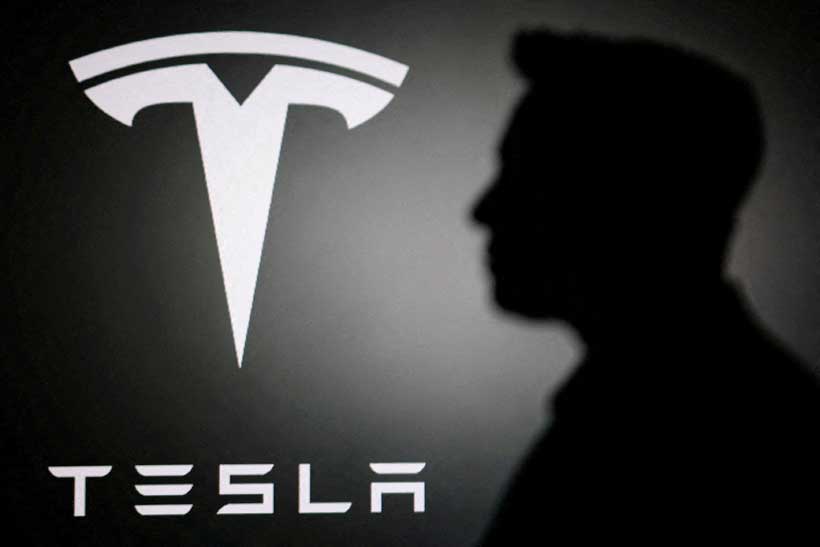
Elon Musk is considering a merger between Tesla and SpaceX, but this plan faces challenges from regulators in the U.S. and China due to national security concerns. Musk announced that both companies have formed special committees to explore the merger, which he believes is a good idea. However, Tesla relies heavily on manufacturing in China, while SpaceX is tied to sensitive U.S. defense contracts. This reliance on Chinese operations complicates any potential merger, as regulators will scrutinize the connection between Tesla’s China business and SpaceX’s sensitive technologies.
Chinese regulators require Tesla to keep user data from its automated driving systems within China. This means that a merger would likely need a proper barrier to prevent sensitive information from flowing between the two companies, a move that has precedent among other defense businesses, such as Airbus and Honeywell. Analysts suggest that a two-way firewall would be necessary to comply with Chinese data laws while allowing Tesla to operate in China as a self-contained unit. However, balancing the demands from both the U.S. and China might be difficult, as China may use the merger negotiations to leverage its own requests, such as access to important technologies or commitments for investment and manufacturing in China.
Should divestment become necessary, there are several paths Tesla could take, including maintaining a majority stake while selling parts of the business, entering a sale with brand licensing, or an outright sale to another automaker. However, finding potential buyers could prove challenging, as Chinese automakers do not require additional capacity and foreign automakers are currently low on cash. Analysts believe Musk might prefer to split off portions of the business rather than cede control entirely, although he may want to maintain ownership of Tesla’s operations in China.
China is crucial for Tesla’s cash flow, as its production in Shanghai accounts for a significant share of the company’s global output. Some investors argue that while maintaining ties to China is important, Tesla has already begun to increase production in the U.S. for other projects, which may lessen the impact of any regulatory hurdles. There’s speculation that Tesla could convince U.S. regulators that its operations in China will not interfere with SpaceX, but if they fail to do so, they may reduce or even halt production in China as a short-term adjustment. Despite these challenges, much of Tesla’s current value is tied to its business within China, positioning it in a delicate situation where it cannot completely sever connections.
With information from Reuters