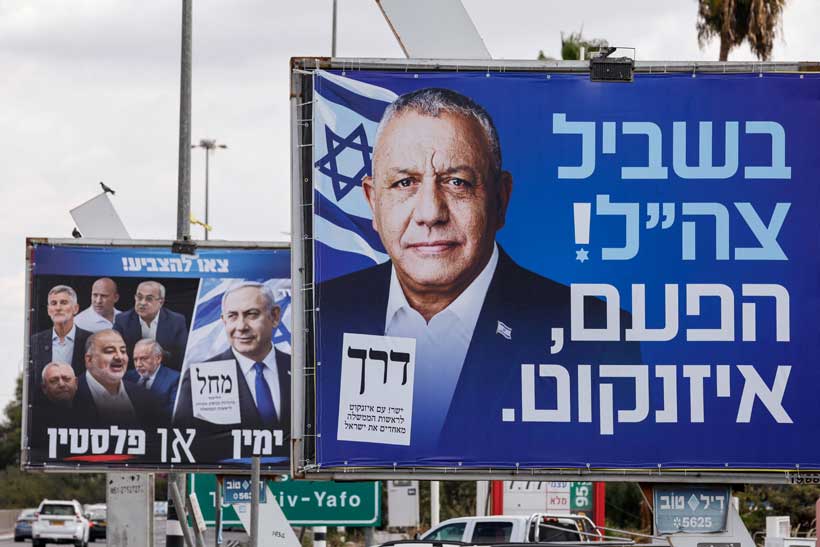
Israel’s upcoming election may change its leadership, but experts believe its strategic approach will largely remain the same, with Iran continuing to be its primary enemy. Military action will likely remain the preferred method for Israel, while achieving Palestinian statehood remains unlikely. The assumptions behind Israeli policy were reinforced by the attacks from Hamas on October 7, 2023, and conflicts in Gaza, Lebanon, and Iran. Analysts suggest that if Prime Minister Benjamin Netanyahu wins again, supported by far-right coalition partners, he may intensify military actions, tighten control over the occupied West Bank, and further marginalize diplomatic efforts.
Israel’s current security policy relies on three main strategies: countering Iran, maintaining buffer zones outside its borders, and using force to deter threats. The differences among political leaders will mostly concern how aggressively to pursue wars, expand Jewish settlements, and implement diplomatic efforts. The election is viewed not as a pivotal moment but as a reflection of a long-term conflict in the Middle East.
Netanyahu has asserted that Israel needs to focus on prevention and offense, advocating for preemptive strikes to manage threats and aiming to enhance Israel’s power and autonomy in military capabilities. The election is a contest between Netanyahu’s right-wing Likud and the opposition led by Gadi Eisenkot’s Yashar party. Palestinian analyst Ghassan al-Khatib believes there will be no significant change in policies towards Palestinians, as political parties demonstrate increasingly hardline views in line with shifting public sentiments. All parties agree on rejecting a Palestinian state and promoting settlement growth.
A potential government led by Netanyahu’s adversaries might attempt to improve international relations by reducing settler violence or quietly expanding settlements. However, these would represent a shift in style, not in fundamental policy. According to Michael Young, the Israeli security leadership shares a consistent strategic vision focused on confronting Iran, which limits the potential for major policy changes.
Analysts indicate that rising settler violence, Palestinian discontent, and a lack of future political solutions could lead to explosive situations where small incidents may spark larger movements. Some regional stakeholders question whether Israel’s ongoing conflict with Iran has become a central theme of Middle Eastern security, independent of electoral outcomes. Netanyahu’s intention to dismantle the Iranian regime amplifies these tensions, yet military experts doubt that anything short of a full-scale invasion would compel Iran to change its fundamental security positions. Despite facing challenges, Iranian forces and affiliated groups remain resilient, complicating regional security dynamics.
With information from Reuters