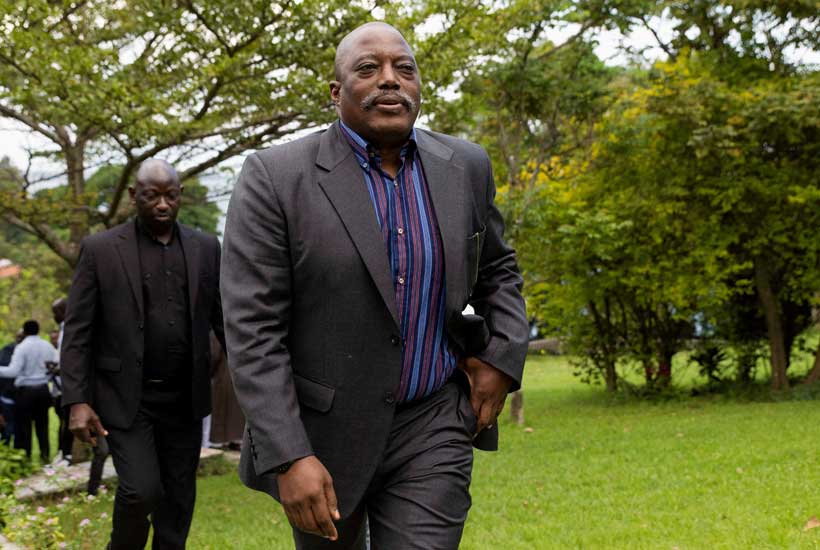
Former Democratic Republic of Congo President Joseph Kabila has taken charge of rebel forces in the eastern regions, marking a significant shift in the rebellion. His leadership provides a recognizable figurehead, which may help the rebels frame themselves as a national movement instead of a group backed by Rwanda. It raises important questions about whether Kabila can combine his political influence and local connections to gain wider support for the rebels and if his presence will change the power dynamics in the conflict-ridden country.
A notable change after Kabila’s takeover is the name of the rebel alliance, which will now be called the Refoundation of the Nation (FRN). This new title reflects a focus on national issues in Congo rather than just regional interests. The rebels aim to remove current President Felix Tshisekedi, accusing him of corruption and suppressing opposition. However, violence in the region often stems from deeper, long-standing issues involving power, identity, and resources, some linked to past conflicts like the genocide in neighboring Rwanda. Allegations of Rwandan support for the M23 group persist, despite Rwanda’s denial.
Kabila’s appointment elevates the visibility of the rebellion, potentially expanding its support beyond its established eastern base. He hails from Katanga, a region where dissatisfaction with Tshisekedi is rising, although the rebellion hasn’t yet spread there. Kabila is more politically significant than some of his associates and maintains crucial regional connections, but it’s uncertain whether this will translate into actual support.
The rebellion faces challenges; Kabila left office unpopular and his political influence has diminished. Many of his former allies have turned against him, and he has been sentenced to death in absentia for treason. Despite his past, it’s unclear how he can utilize his wealth or resources.
The FRN claims it will honor all previous commitments made in peace talks with the Congolese government. The future of negotiations remains uncertain, with both sides accusing each other of ongoing violence and reluctance to pursue peace.
With information from Reuters