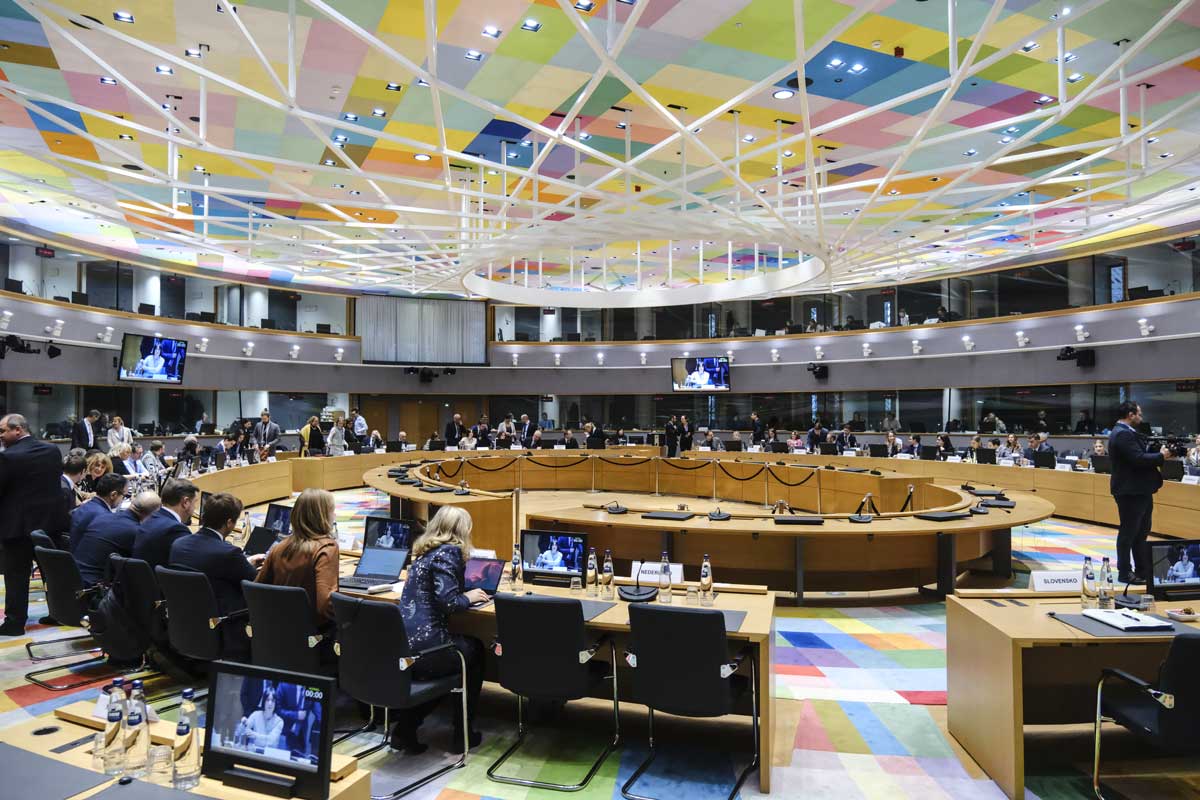
European Union leaders began a summit to discuss ways to deal with rising exports from China, which industry groups say are causing factory closures. The leaders met shortly after the European Commission reached an agreement with China to limit imports of hybrid cars. This deal is part of a broader plan to reduce the EU’s trade deficit with China, which reached €360 billion in 2025 and is set to exceed that amount this year.
The summit’s draft conclusions suggest continuing dialogue with China, while using existing EU trade measures and developing new ones to protect the bloc. A senior EU diplomat highlighted that job losses are occurring each month across various sectors beyond just one industry. Economic worries are growing in the bloc, and far-right parties are using these issues to gain support.
Franco-German proposals from last week are expected to be a key topic. Germany, which once opposed EU tariffs on Chinese electric vehicles, now supports urgent measures against certain imports. Discussions will also focus on EU competitiveness and high energy prices, which are viewed as critically important. Proposed measures include postponing methane emissions rules for oil and gas imports and exploring short-term solutions.
Countries like the Czech Republic and Italy want to weaken or suspend the EU Emissions Trading System, but the leaders of Finland, Sweden, and Denmark argue that this system is vital for energy security and investments in clean industries.
The leaders will also discuss the next EU budget for 2028-2034, which requires unanimous approval and can lead to heated debates. Another major topic will be the challenges facing Ukraine, with President Zelenskiy attending to address Ukraine’s funding needs. Dutch Prime Minister Rob Jetten urged European nations to increase their support for Ukraine, stating that many countries are not doing enough.
With information from Reuters