


Russian drone and missile strikes on Ukraine’s northeastern Kharkiv region killed at least three people, including a pregnant woman, according to Ukrainian officials. The attacks also damaged residential areas and injured several others, highlighting the continued intensity of the war as it enters its fifth year.
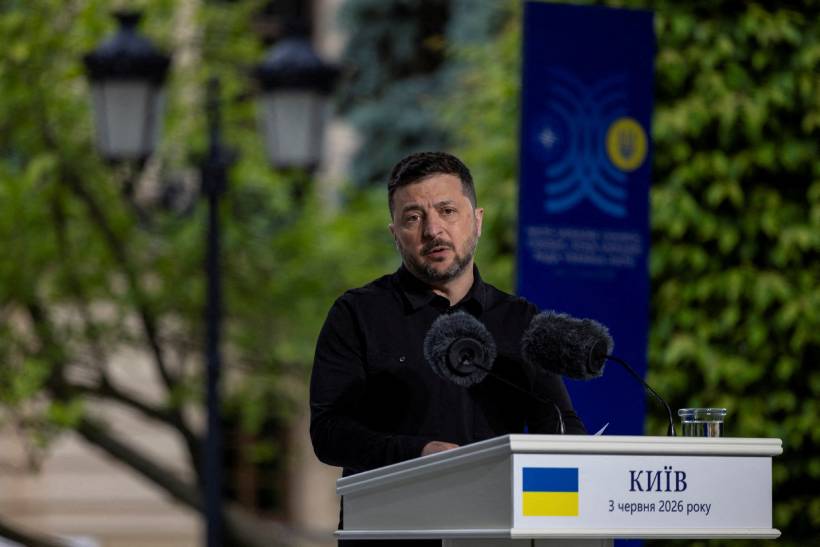
At the same time, Ukrainian President Volodymyr Zelenskiy said he held a positive conversation with U.S. envoys Steve Witkoff and Jared Kushner, expressing cautious optimism about renewed diplomatic efforts to advance a potential settlement. The talks come as Ukraine continues to seek stronger international backing while Russia maintains its military pressure on multiple fronts.
The latest strikes follow a broader escalation of air attacks in recent weeks, alongside intensified Ukrainian drone strikes on Russian oil infrastructure, which have reportedly caused fuel shortages in parts of Crimea.
Why It Matters
The situation reflects a dual track dynamic in the war, where battlefield escalation continues alongside tentative diplomatic engagement. Civilian casualties from ongoing Russian strikes underscore the humanitarian cost of the conflict and reinforce Ukraine’s push for increased Western support and air defense assistance.
Stay ahead of the geopolitical week.
MD Briefing delivers expert analysis across five global fronts — the Indo-Pacific, energy, geoeconomics, European security, and the Middle East — every Monday morning. Free.
The involvement of U.S. envoys signals renewed interest in exploring diplomatic pathways, but progress remains uncertain due to deep disagreements over core issues, particularly territorial control and security guarantees. Zelenskiy has reiterated that Ukraine will not concede territory, while Russia continues to reject Ukrainian proposals for direct talks under current conditions.
Energy infrastructure attacks and retaliatory drone strikes also highlight how the conflict has evolved into a war of economic attrition, with both sides targeting critical infrastructure to weaken the other’s long term capacity.
Stakeholders
- Ukrainian civilians affected by ongoing air strikes
- Ukrainian government led by President Volodymyr Zelenskiy
- Russian military and political leadership under President Vladimir Putin
- United States diplomatic envoys and broader Western allies
- European governments involved in peace negotiations and support for Ukraine
- Energy and industrial sectors impacted by infrastructure attacks in both countries
Future Outlook
Diplomatic efforts are likely to continue through indirect channels involving U.S. envoys and European partners, but a breakthrough remains uncertain without significant shifts in negotiating positions. The possibility of direct talks between Kyiv and Moscow remains limited despite public signals from Ukraine expressing openness to dialogue.
On the military front, continued drone and missile exchanges suggest the conflict will remain highly volatile, with both sides attempting to gain leverage ahead of any future negotiations. Civilian protection, infrastructure resilience, and international military aid will remain central to Ukraine’s strategy as the war continues.
With information from Reuters.
