


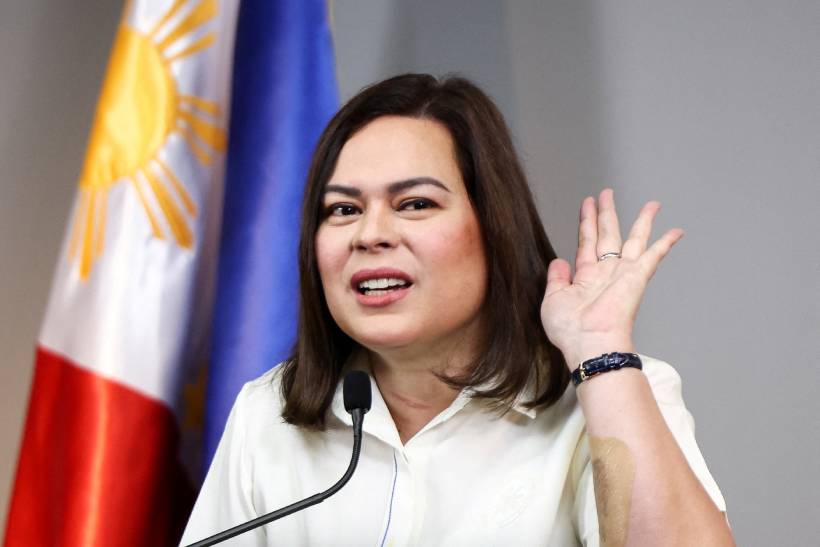
Lawmakers in the Philippines have begun voting on whether to impeach Vice President Sara Duterte, marking a major escalation in the country’s political conflict and potentially reshaping the race for the 2028 presidential election.
The impeachment effort follows findings by a House justice committee that identified probable cause linked to allegations of misuse of public funds, unexplained wealth accumulation, and alleged threats against President Ferdinand Marcos Jr and other senior officials. Duterte has denied all allegations, calling the proceedings politically motivated and legally flawed.
The case unfolds against the backdrop of a fractured alliance between Duterte and Marcos, who were once political partners in the 2022 elections but have since become adversaries. The political rupture has intensified institutional tensions and deepened divisions within the Philippine governing elite.
Why it matters
The impeachment process carries significant consequences for the balance of power in Philippine politics. If successful, it could remove Sara Duterte from office and bar her from holding political positions, fundamentally altering the succession landscape ahead of the 2028 presidential election.
Stay ahead of the geopolitical week.
MD Briefing delivers expert analysis across five global fronts — the Indo-Pacific, energy, geoeconomics, European security, and the Middle East — every Monday morning. Free.
Duterte is widely viewed as a leading contender for the presidency, making the impeachment proceedings not only a legal challenge but also a decisive political test. The outcome could determine whether the Duterte political dynasty retains influence at the highest levels of government or faces a long term decline.
The case also raises broader questions about the use of impeachment as a political instrument in competitive democracies. In environments marked by elite rivalry and weak party institutionalization, impeachment can become both a constitutional accountability mechanism and a tool of political contestation.
Several key actors are shaping the trajectory of the impeachment process.
The most central figure is Vice President Sara Duterte, who faces allegations that could end her political career if the impeachment succeeds. Her legal team has rejected the charges and framed the process as procedurally flawed.
President Ferdinand Marcos Jr represents another critical stakeholder. Although he has publicly distanced himself from the impeachment proceedings, his administration governs alongside shifting alliances in Congress that influence the political environment surrounding the case.
The Philippine House of Representatives plays a decisive institutional role, as a one third vote in favor of impeachment would move the process to a Senate trial stage. The Senate would then act as a court, with its members serving as jurors.
Political allies of the Duterte family, including Senate leadership figures such as Alan Peter Cayetano, also play an influential role, particularly if leadership changes affect the structure and neutrality of a potential impeachment trial.
Civil society groups and political activists are also active participants, with public demonstrations reflecting broader societal divisions over governance, accountability, and political ethics.
What happens next
The immediate outcome depends on whether the House of Representatives secures enough votes to advance the impeachment case to the Senate. If the threshold is met, the Senate will convene an impeachment trial that could determine Duterte’s political future.
A conviction in the Senate would result in removal from office and disqualification from future public positions, while an acquittal would allow Duterte to remain politically viable heading into the next election cycle.
In the broader political landscape, the case is likely to intensify rivalry between competing factions within the Philippine political system. Even before a final verdict, the impeachment process is expected to influence alliances, campaign strategies, and public trust in institutions.
Looking ahead, the proceedings may either consolidate institutional accountability mechanisms or deepen political polarization depending on how fairly and transparently the process is perceived. The outcome will likely shape not only the 2028 presidential race but also the future stability of executive legislative relations in the Philippines.
With information from Reuters.
