


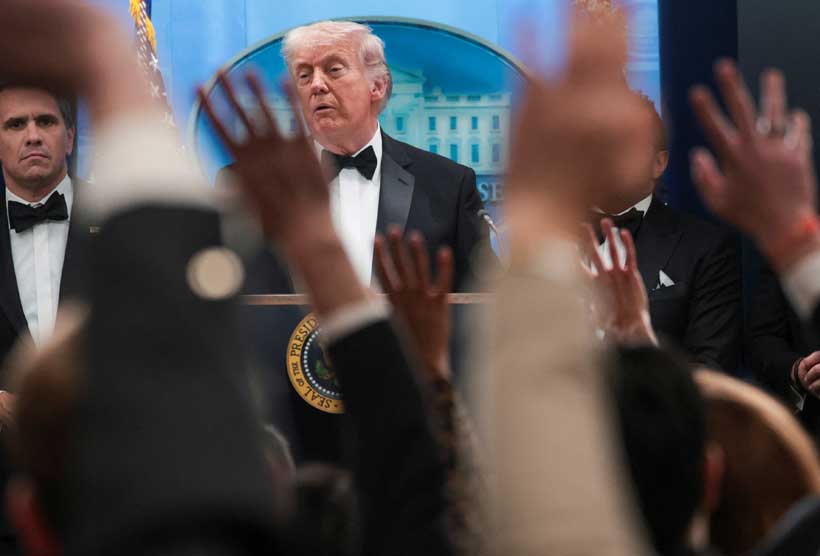
In early 2026, Donald Trump declared that the “Make America Great Again” movement was inseparable from him. While that has largely held true, recent criticism from prominent allies suggests early signs of strain within the Maga coalition, particularly over foreign policy and economic concerns.
High profile defections
Figures such as Marjorie Taylor Greene and Tucker Carlson have openly criticised Trump. Greene’s break centred on issues including transparency and foreign policy, while Carlson has strongly opposed US involvement in the Iran conflict, even expressing regret over supporting Trump in the past.
These voices matter because they represent influential segments of the conservative media and political ecosystem that helped shape Maga’s identity.
Foreign policy tensions
A key source of dissatisfaction is the perception that Trump has moved away from his “America first” stance. His earlier opposition to wars like Iraq War and promises to avoid new conflicts resonated strongly with his base.
Stay ahead of the geopolitical week.
MD Briefing delivers expert analysis across five global fronts — the Indo-Pacific, energy, geoeconomics, European security, and the Middle East — every Monday morning. Free.
However, involvement in the current conflict with Iran has created friction, particularly among voters who prioritise non intervention and domestic focus.
Public opinion and economic pressure
Polling suggests broader unease among the US public, with opposition to the war and concerns about the economy growing. Rising prices and economic strain are adding to dissatisfaction, including among Republican voters.
Even so, support within the Maga base remains high. Surveys indicate that a large majority of self identified Maga Republicans still approve of Trump’s performance, including his handling of the conflict.
Signs of political repositioning
Carlson’s shift has also sparked speculation about future political ambitions. Some analysts view his criticism as an attempt to redefine the Maga movement beyond Trump himself, potentially positioning for a future leadership role.
This reflects a broader development where “America first” may be evolving from a personal brand into a wider ideological space that others could compete to lead.
Analysis
Trump is not losing his base in any immediate or dramatic sense. The core Maga constituency remains loyal, and approval ratings among these voters are still very strong.
However, the emergence of elite dissent is significant. Influential figures breaking ranks can shape narratives, influence media ecosystems, and gradually affect grassroots opinion over time.
The real risk for Trump lies not in sudden collapse but in gradual erosion. If the Iran conflict continues and economic conditions worsen, criticism from high profile conservatives could begin to resonate more widely with voters.
In the longer term, the more important shift may be structural. Maga is showing early signs of becoming bigger than any single individual. If alternative leaders successfully claim the “America first” mantle, Trump’s dominance over the movement could face a more serious challenge heading into future elections.
With information from Reuters.
