


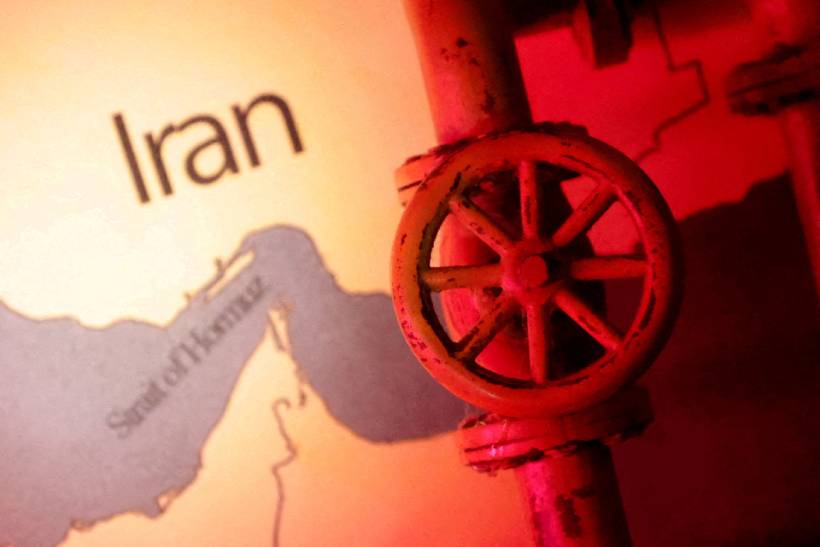
Tensions in the Middle East remain dangerously unresolved as Iran tightens its grip on the Strait of Hormuz one of the most critical global shipping routes. This comes after Donald Trump announced an indefinite pause on renewed United States attacks without any clear agreement from Iran.
What appears to be a ceasefire is in reality uncertain and unstable. Iran has not formally accepted any extension which leaves the situation open to sudden escalation.
Escalation at Sea Seizures and Signals
Iran’s Islamic Revolutionary Guard Corps seized two commercial vessels in the Strait of Hormuz claiming violations such as missing permits and interference with navigation systems.
A third vessel was fired upon but was not damaged.
Stay ahead of the geopolitical week.
MD Briefing delivers expert analysis across five global fronts — the Indo-Pacific, energy, geoeconomics, European security, and the Middle East — every Monday morning. Free.
The United States has called these actions piracy. At the same time it continues its naval blockade which Iran considers an act of war. This difference in interpretation shows how fragile the situation really is.
Why the Strait Matters
The Strait of Hormuz is vital for the global economy
About twenty percent of the world’s oil supply passes through it
Any disruption affects energy prices worldwide
Oil prices have already risen above one hundred dollars per barrel
Iran has stated that reopening the strait is not possible while the blockade continues.
Diplomatic Breakdown Talks Without Progress
Efforts to restart negotiations have stalled despite attempts by Pakistan to mediate. Planned talks did not take place and earlier discussions produced no agreement.
Iran’s main demands include
Removal of sanctions
Compensation for damage
Recognition of its control over the strait
The United States continues to demand limits on Iran’s nuclear program which Iran insists is for civilian use.
A Wider Conflict Regional Impact
The conflict has spread across the region involving Israel and Hezbollah. Continued strikes in Lebanon despite a separate ceasefire show how unstable the situation remains.
Thousands of people have been killed across the region and the risk of further escalation is still high.
Analysis A Strategic Stalemate
This is not true de escalation but a pause under pressure
The United States is maintaining leverage through its naval presence while delaying further attacks
Iran is using control of the strait and ship seizures to apply economic pressure
Neither side is willing to step back which has created a deadlock.
Global Consequences
The impact extends beyond the region
Energy markets remain unstable
Shipping routes are at risk
There may be wider economic effects including rising prices
The longer the Strait of Hormuz remains restricted the greater the global impact.
Conclusion A Ceasefire in Name Only
Despite the language of restraint the situation remains tense. Without a clear agreement this ceasefire is uncertain and could collapse at any time.
As long as both sides continue to push limits without compromise the Strait of Hormuz will remain a major point of conflict rather than stability.
With information from Reuters.
