


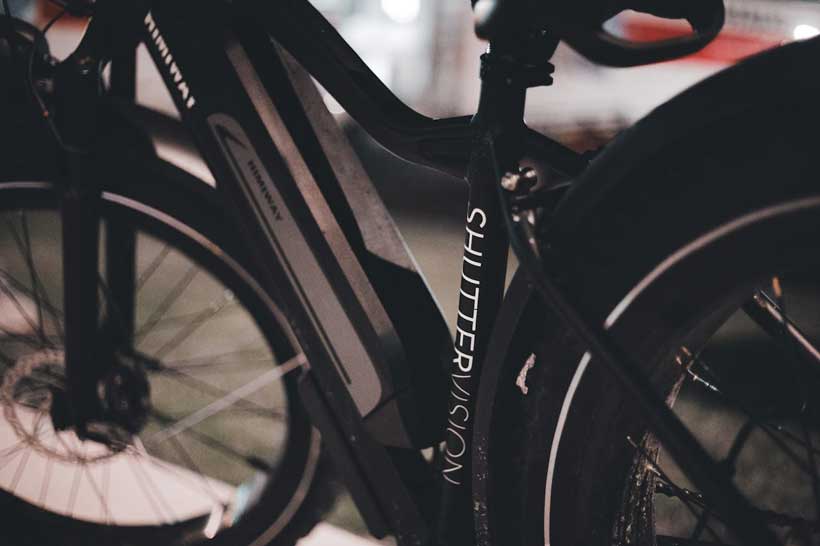
Crisis Driven Shift in Consumer Behavior
The blockade of the Strait of Hormuz has triggered an immediate shift in how people in Pakistan think about fuel. This is not a slow transition. It is panic driven and precautionary.
People are not only reacting to high prices but also to fear that petrol may become unavailable. That fear is critical because it accelerates decision making. Instead of waiting, consumers are switching early to electric bikes.
Fuel Dependency Exposed as a Structural Weakness
Pakistan imports almost all of its oil, which makes it highly vulnerable to external shocks. When supply routes are disrupted, the domestic economy has very limited protection.
Since around 40 percent of petrol is used by bikes and rickshaws, the crisis hits everyday mobility. This directly affects workers, students, and low income households who depend on these vehicles for survival.
Stay ahead of the geopolitical week.
MD Briefing delivers expert analysis across five global fronts — the Indo-Pacific, energy, geoeconomics, European security, and the Middle East — every Monday morning. Free.
The fact that a large portion of daily income is now required just to buy petrol shows that fuel has become economically unsustainable for many.
Electric Bikes as a Financial Survival Strategy
The move toward electric bikes is not about climate awareness. It is about saving money. Charging an electric bike can be up to ten times cheaper than using petrol.
This creates a strong economic incentive. When the cost gap becomes this large, behavior changes quickly. That is why EV sales have jumped sharply and crossed 10 percent of new two wheeler sales.
This marks a tipping point where electric bikes are no longer niche but entering mainstream use.
Government Policy Accelerating the Transition
The Pakistan Accelerated Vehicle Electrification plan is playing a major role. Subsidies and interest free loans reduce the upfront cost barrier, which is the biggest obstacle for most consumers.
The extremely high number of applications shows that demand was already there but people could not afford to switch earlier.
From a national perspective, this policy also helps reduce oil imports and protect foreign exchange reserves, which are critical for Pakistan economy.
Solar Energy Giving Pakistan an Advantage
One unique factor is Pakistan rapid adoption of solar energy in recent years. Many households already have access to cheap electricity through solar panels.
This makes charging electric bikes more affordable and reliable. It also reduces pressure on the national grid.
The combination of solar power and electric vehicles creates a strong foundation for long term energy transition.
Heavy Reliance on Chinese Supply Chains
The shift to electric bikes depends heavily on Chinese companies like Yadea, Jinpeng, AIMA, Sunra, and BYD.
This allows Pakistan to scale quickly but also creates dependence on imported technology and parts. In the long run, lack of local manufacturing could become a limitation.
Infrastructure and Maintenance Risks
Rapid growth in EV adoption is not matched by infrastructure development. Charging stations are still limited and service networks are weak.
Electric bikes are also sensitive to road conditions, which is a serious issue given poor infrastructure in many areas.
If maintenance and servicing are not improved, consumer trust could decline despite strong initial demand.
Broader Economic Impact
The shift to electric bikes is part of a wider response to inflation. High fuel costs increase transport and food prices, putting pressure on households.
Electric bikes reduce daily expenses, helping some people cope with inflation. However, the high upfront cost means that the poorest groups may still struggle to switch, which could increase inequality.
Analysis
This is a crisis driven structural shift rather than a normal market trend. External geopolitical shocks have forced rapid adaptation inside Pakistan.
Three key forces are driving this transition. First, supply disruption and fear of shortages. Second, extreme fuel costs making petrol unaffordable. Third, enabling factors like solar energy and government subsidies.
If these conditions continue, Pakistan could see a long term reduction in oil dependence. However, the success of this transition depends on whether infrastructure, financing, and local capacity can keep up with demand.
In simple terms, Pakistan is not just facing a fuel crisis. It is being pushed into a fast tracked energy transition that could reshape its economy.
