


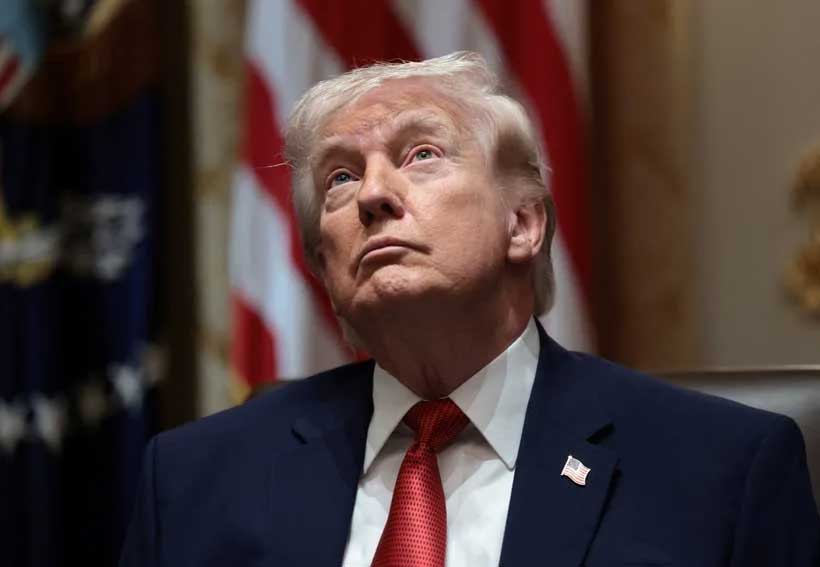
President Trump insists “productive” negotiations with Iran are happening. Iran’s top officials repeatedly deny it. One of them is lying, or both are, or the truth is somewhere murkier than either narrative admits.
The question isn’t really whether talks are occurring. It’s whether either side benefits from admitting they are. And right now, both have strong incentives to misrepresent reality for opposite reasons.
Trump claims there were “major points of agreement” after “very good” talks with an unnamed “top” Iranian figure. He gave Iran a five-day deadline for a positive response. Iranian parliamentary speaker Mohammad Bagher Ghalibaf, believed by some to be the official Trump referenced, flatly denied it: “No negotiations have been held with the US, and fakenews is used to manipulate the financial and oil markets.”
Amid fog of war and propaganda from all sides, determining truth requires looking not at what each side says, but at what each gains from saying it.
Stay ahead of the geopolitical week.
MD Briefing delivers expert analysis across five global fronts — the Indo-Pacific, energy, geoeconomics, European security, and the Middle East — every Monday morning. Free.
