


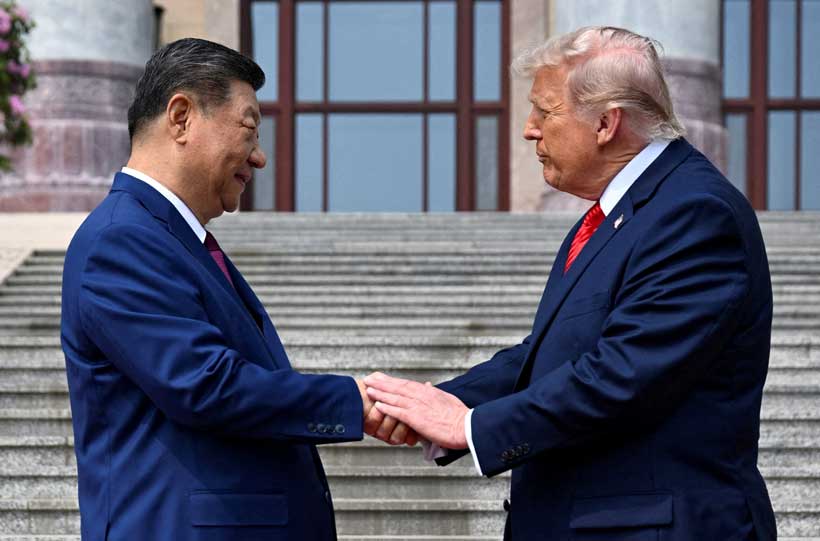
China has committed to purchasing at least seventeen billion dollars worth of agricultural products from the United States over the next three years, according to the White House. The move is being viewed as a major step toward stabilizing trade ties between the world’s two largest economies after years of tariff disputes and market uncertainty.
China also agreed to work with United States regulators to remove suspensions on American beef facilities and resume poultry imports from states free of avian influenza. The announcement has triggered mixed reactions from market analysts, trade experts, and the agricultural sector.
Beef and Poultry Trade Could Expand
Analysts say the reopening of the Chinese market to American beef could increase competition for major suppliers such as Brazil and Australia, which currently dominate China’s frozen beef imports.
Rosa Wang of JCI noted that United States frozen beef products are generally cheaper than South American imports, potentially giving American exporters a pricing advantage if tariffs are removed. However, retaliatory tariffs on beef and poultry products have not yet been officially canceled, leaving uncertainty around the pace of trade recovery.
Stay ahead of the geopolitical week.
MD Briefing delivers expert analysis across five global fronts — the Indo-Pacific, energy, geoeconomics, European security, and the Middle East — every Monday morning. Free.
Doubts Over Implementation
Some experts remain cautious about how quickly the agreement will translate into actual purchases. Xu Hongzhi of Beijing Orient Agribusiness Consultants argued that the recent talks between China and the United States produced no formal trade agreement or joint statement, raising questions about how binding the commitments really are.
According to analysts, the seventeen billion dollar figure currently appears more like an intention to purchase rather than a guaranteed trade deal. Market conditions, prices, and political relations could still influence the final outcome.
Trade Relations Returning to Normal
Other analysts see the commitment as a sign that trade between China and the United States may be returning to pre trade war levels. Johnny Xiang of Agradar Consulting said the scale of purchases would signal a broader normalization of economic ties between the two countries.
Even Rogers Pay of Trivium China noted that if soybean imports and other farm purchases continue as expected, annual United States agricultural exports to China could again exceed thirty billion dollars, similar to export levels seen before the escalation of trade tensions.
Impact on Global Agriculture Markets
The renewed trade activity could reshape global agricultural supply chains. Increased demand for United States soybeans, beef, and poultry may affect pricing and export opportunities for other agricultural exporters around the world.
Farmers in the United States are expected to benefit if the commitments materialize, particularly after years of uncertainty caused by tariffs and geopolitical tensions. Meanwhile, Chinese buyers may gain access to lower cost agricultural imports, helping stabilize food supply and prices domestically.
Analysis
China’s commitment reflects both economic and political calculations. For Beijing, improving access to affordable agricultural products supports domestic food security and helps manage inflation pressures. For Washington, the agreement offers relief to farmers and exporters who have faced major losses during trade disputes.
However, uncertainty remains over whether the pledges will become long term policy or remain temporary diplomatic gestures. The absence of a formal trade agreement suggests both sides are still carefully managing their relationship rather than fully rebuilding trust.
The coming months will likely determine whether this announcement marks a genuine turning point in China United States trade relations or simply a short term easing of tensions driven by economic necessity.
With information from Reuters.
