


The ongoing Iran war is reshaping the global energy landscape by undermining the Middle East’s long standing position as the most reliable and cost effective hub for oil and gas production. For decades, major international companies such as ExxonMobil, Chevron, TotalEnergies, Shell and BP have concentrated investments in the region due to its vast reserves and relatively predictable operating environment.
That perception is now being fundamentally challenged.
Direct Impact on Energy Infrastructure
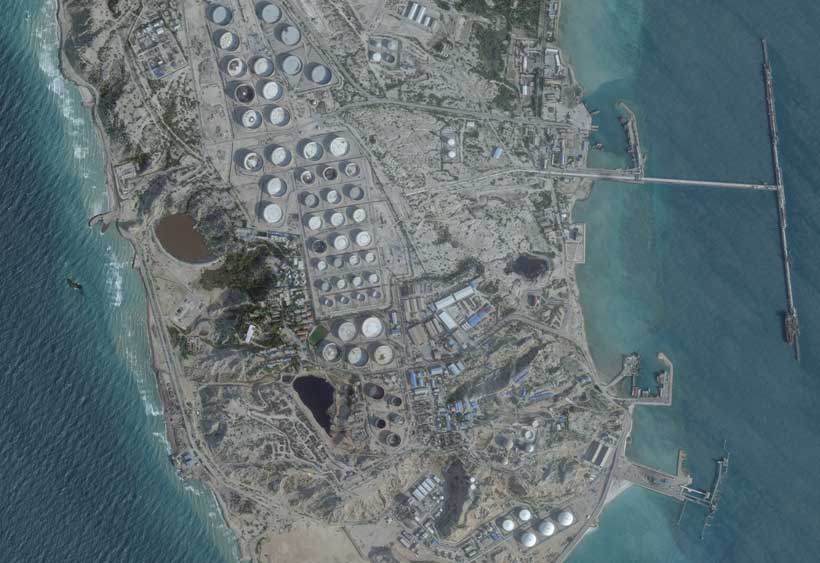
The conflict has brought energy infrastructure into direct focus. Key facilities across the Gulf have been damaged, including major liquefied natural gas hubs and oil refineries. The disruption of the Strait of Hormuz, through which approximately one fifth of global oil and gas supplies pass, has forced producers to halt operations and absorb significant financial losses.
Beyond immediate disruptions, the cost of repairs is expected to reach tens of billions of dollars, with recovery timelines extending over several years. This has exposed the structural vulnerability of relying heavily on a single region for global energy supply.
Stay ahead of the geopolitical week.
MD Briefing delivers expert analysis across five global fronts — the Indo-Pacific, energy, geoeconomics, European security, and the Middle East — every Monday morning. Free.
A Rising Risk Premium
The most significant shift is not physical but financial. The war has increased the perceived risk of operating in the Middle East, leading to higher insurance costs, security expenditures and capital requirements.
Although the region still holds nearly half of the world’s proven oil reserves, its attractiveness is diminishing due to uncertainty. This shift is already reflected in rising long term oil price expectations, as markets factor in sustained geopolitical instability.
Investment Rebalancing
Higher oil prices are expanding the range of viable investment opportunities globally. Energy companies are increasingly redirecting capital toward regions such as West Africa, Brazil and Southeast Asia, where projects that were previously considered marginal are becoming economically feasible.
This marks a broader shift in strategy. After years of restrained investment due to energy transition concerns, companies are once again increasing spending on exploration and production, driven by expectations that fossil fuel demand will remain strong in the medium term.
Expanding Into Higher Risk Regions
As the relative risk of the Middle East increases, previously overlooked regions are gaining attention. Venezuela is a notable example. Despite political uncertainty and infrastructure challenges, its large reserves could become more attractive in a higher price environment.
This reflects a broader pattern in the energy industry, where geopolitical shocks trigger shifts in investment geography. Following the Russian invasion of Ukraine, companies reduced exposure to Russia and increased their focus on the Middle East. The current conflict may now drive a new redistribution of global energy investment.
Analysis
The Iran war represents a structural turning point for global energy markets. Its most important consequence is the erosion of the Middle East’s reputation as a stable and low risk investment destination.
Energy companies are unlikely to withdraw entirely given the scale of resources in the region. However, they will increasingly diversify their portfolios to reduce exposure to geopolitical risk. This shift will not be cost neutral. Projects outside the Middle East are often more expensive and complex, which will contribute to a higher baseline for global energy prices.
In effect, the conflict is accelerating a transition toward a more fragmented and risk sensitive energy system. While this may improve long term resilience, it also implies greater volatility and sustained upward pressure on prices.
The era of relying on a single dominant energy region is weakening, and the global market is adjusting accordingly.
With information from Reuters.
