


The conflict between Iran and Israel has entered a more volatile phase, with both sides escalating attacks and rejecting efforts to contain the war. What began as targeted strikes has now evolved into a broader regional conflict with rising casualties and global economic consequences.
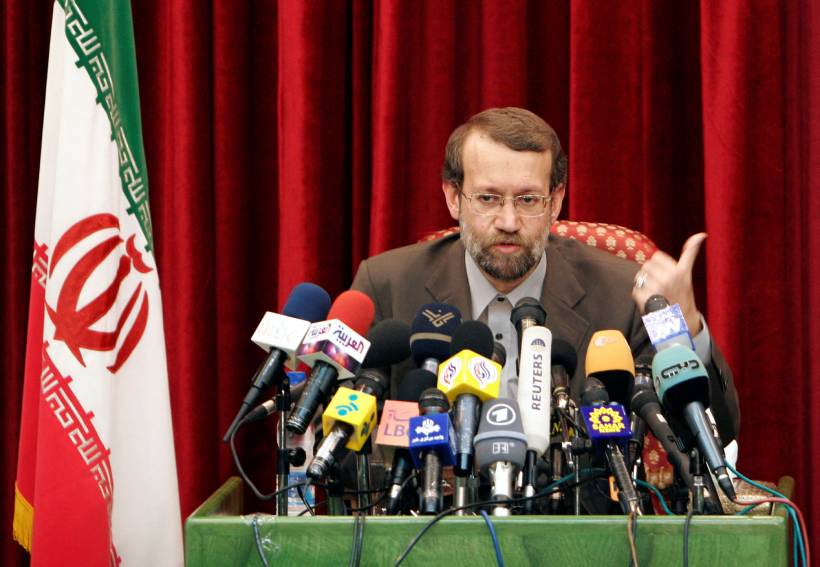
The latest escalation follows Israel’s killing of Ali Larijani, one of the most powerful figures in Iran’s security establishment and a close ally of the late Ali Khamenei.
Targeted killing shakes Iran’s leadership
Iran confirmed that Larijani was killed in an Israeli strike, along with his son and senior aide Alireza Bayat. As secretary of Iran’s Supreme National Security Council, Larijani played a central role in shaping defence and foreign policy.
Stay ahead of the geopolitical week.
MD Briefing delivers expert analysis across five global fronts — the Indo-Pacific, energy, geoeconomics, European security, and the Middle East — every Monday morning. Free.
His death marks one of the most significant blows to Iran’s leadership since the start of the war, reinforcing a pattern of targeted strikes aimed at weakening the country’s command structure.
Israel has also targeted other senior figures, including militia leader Gholamreza Soleimani, signalling a broader strategy of dismantling Iran’s internal security network.
Iran rejects de-escalation
In response, Iran’s new supreme leader Mojtaba Khamenei has taken a hardline stance, rejecting proposals for a ceasefire conveyed through intermediary countries.
According to officials, he has ruled out negotiations until the United States and Israel are defeated and made to pay compensation. The position signals that Tehran is preparing for a prolonged conflict rather than seeking a diplomatic exit.
This stance sharply reduces the chances of near-term de-escalation and raises the risk of further retaliatory attacks.
Rising violence and regional spillover
The conflict continues to expand beyond Iran and Israel. Iranian missile attacks have struck Israeli cities, including Tel Aviv, while Israel has intensified operations across multiple fronts.
In Lebanon, Israeli strikes linked to clashes with Hezbollah have caused significant casualties and displacement, drawing Lebanon deeper into the war.
At the same time, Gulf countries hosting United States military bases have faced repeated missile and drone attacks, highlighting the widening scope of the conflict.
Strait of Hormuz and global pressure
The war has also disrupted the Strait of Hormuz, a key route for global oil shipments. Iran’s threats against tankers have contributed to a sharp rise in oil prices, intensifying inflation concerns worldwide.
The United States has called on allies to help secure the waterway, but many have been reluctant to get involved, reflecting fears of deeper entanglement in the conflict.
At the same time, uncertainty over the legal basis of the war has added to international unease, with divisions emerging among Western allies.
Analysis
The killing of Larijani and Iran’s rejection of de-escalation mark a turning point in the conflict.
First, the war is becoming more entrenched. With leadership figures targeted and retaliation intensifying, both sides appear committed to escalation rather than compromise.
Second, the conflict is widening geographically. From Lebanon to the Gulf, multiple fronts are now active, increasing the risk of a broader regional war.
Third, the global impact is deepening. Disruptions to energy supplies and rising oil prices are turning the conflict into an economic shock with worldwide consequences.
Unless diplomatic channels reopen, the trajectory points toward a longer and more destructive phase of the war, with far-reaching implications for regional stability and the global economy.
With information from Reuters.
