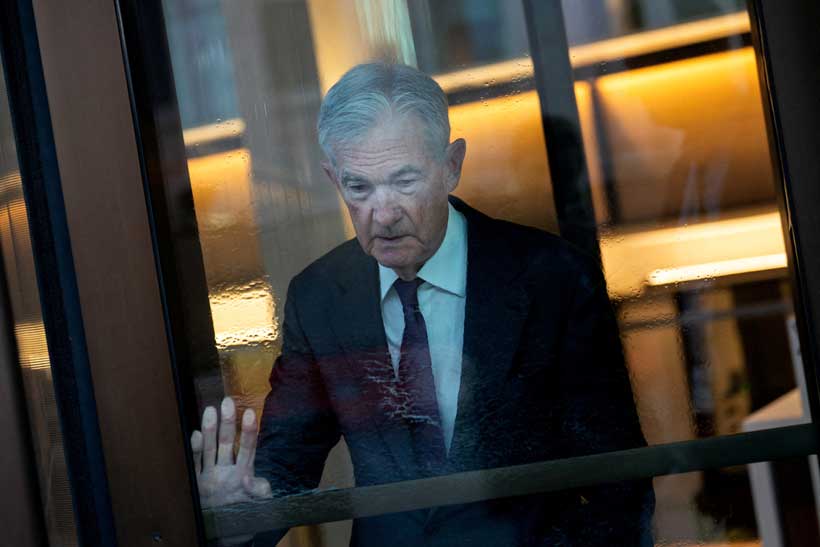
Jerome Powell, the head of the U. S. Federal Reserve, is under a criminal investigation by the Justice Department for allegedly misleading Congress about a costly renovation at the Fed’s headquarters. This development escalates President Donald Trump’s campaign against the Federal Reserve, which he believes is not lowering interest rates quickly enough. Although the White House claims Trump did not initiate the investigation, he has pressured Powell to resign and suggested he should face repercussions for the cost overruns on the renovation project.
Trump’s actions draw concern from observers who fear they could undermine the independence of the Federal Reserve, a crucial body responsible for managing inflation, unemployment, and financial stability in the U. S. The Fed influences interest rates, which affect borrowing costs for consumers and businesses. In response to inflation post-COVID-19, the Fed has recently raised and then gradually lowered interest rates.
The Federal Reserve was designed to operate independently from political influence. Its Board of Governors has members serving long, staggered terms to prevent any one president from dominating the board. It also controls its own budget and funding. Trump has been particularly vocal about wanting the Fed to reduce interest rates to historically low levels and has taken aggressive actions against Fed officials whom he believes are not aligned with his agenda.
Historically, presidents have pressured the Fed but have not publicly threatened to dismiss its officials or push criminal charges against them. The Justice Department’s involvement here is unusual, especially having targeted several of Trump’s political opponents with legal actions in recent months, which deviates from the traditional independence of the department.
The renovation project in question has vastly exceeded its initial budget due to various unforeseen costs. Critics, including Trump, claim mismanagement and potential fraud, although Powell has countered that the project’s needs are justified and that costs have risen due to necessary safety measures.
Powell faces subpoenas regarding his testimony to Congress about the renovation, which raises the possibility of being charged with lying to Congress. He asserts he has done nothing wrong, and some Republican senators have expressed they are unconcerned about the project or his testimony.
Trump’s strategy could have unintended consequences, possibly delaying his ability to reshape the Fed. Some Republicans have voiced their discontent with Trump’s approach, indicating a division within the party. This internal dissent could complicate the confirmation of future Fed nominees, further hindering Trump’s plans.
In the upcoming Fed meeting to set interest rates, expectations are that no further cuts will occur, especially since some regional bank presidents oppose them. Concerns arise that a politicized Fed may struggle to effectively manage the economy, potentially increasing inflation and weakening the dollar’s global status. While analysts warn that the investigation into Powell could risk the Fed’s independence, investor reactions so far show a lack of alarm, with major stock indices showing a modest increase after a lower opening.
With information from Reuters