


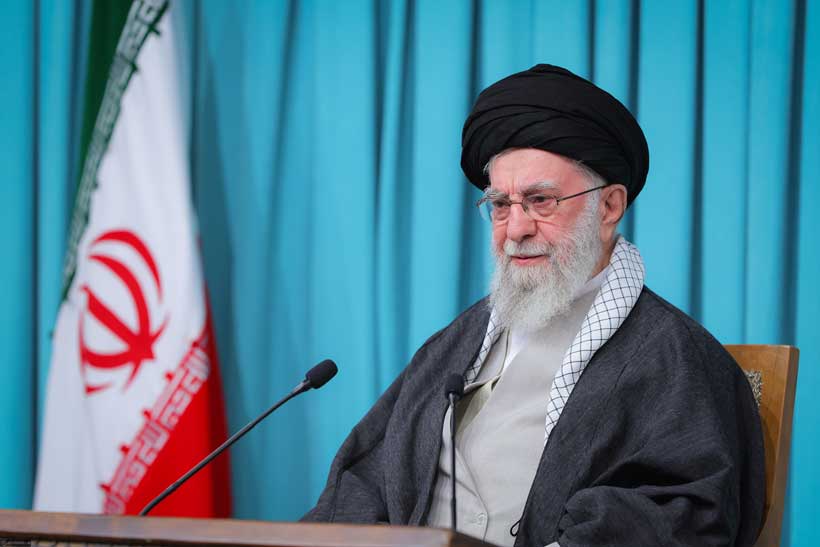
Despite ongoing protests and external pressures, Iran’s Islamic Republic remains stable, as the security elite shows no signs of fracture. Tensions have increased due to U. S. President Donald Trump’s threats of military action in response to Iran’s crackdown on the protests, which were ignited by a U. S. and Israeli bombing campaign against Iran’s nuclear program last year. Diplomats and analysts believe that without defections among the regime’s top ranks, the weakened regime will likely persist.
The protests have led to around 2,000 deaths, as reported by an Iranian official, who attributed these tragedies to “terrorists. ” Human rights groups previously recorded approximately 600 deaths. Iran’s strong security structure, mainly comprising the Revolutionary Guards and the Basij paramilitary force, complicates external intervention without internal upheaval, according to Vali Nasr, an expert on U. S. foreign policy and regional conflicts. For significant change, prolonged protests and defections from security forces are essential.
Supreme Leader Ayatollah Ali Khamenei has weathered multiple uprisings since 2009, showcasing the regime’s endurance despite facing severe internal challenges. Analysts emphasize that protesters must overcome the regime’s powerful institutions and the vast loyalty to clerical authority among the Iranian populace, which numbers around 90 million people. While the Islamic Republic continues to survive, stability remains elusive, as it confronts its most severe crisis since 1979. Economic sanctions have crippled the economy, and the regime faces mounting pressure from Israel and the United States, further straining its nuclear ambitions and regional influence.
The protests, which began on December 28 over rising prices, quickly turned against clerical governance, further damaging the regime’s legitimacy due to its violent response. The U. S.-based rights group HRANA has verified 573 deaths, including 503 protesters and 69 security personnel, with over 10,000 arrests made during the protests. Iran has not provided official figures, and verification of these numbers remains unconfirmed by Reuters.
Trump’s administration is deliberating options regarding Iran amid the protests, influenced by the president’s explicit warnings that violence against demonstrators could lead to American intervention. Discussions have taken place regarding U. S. intervention, with Trump showing tactical interest in weakening the Iranian regime to achieve concessions, such as limitations on its nuclear program.
Analysts note an emerging preference for a “Venezuela model,” aiming for the removal of Iran’s leadership while keeping the remaining state apparatus intact, contingent on cooperation. However, significant hurdles exist, given Iran’s strong security state and complex societal dynamics. Some officials express concerns that foreign military action could lead to ethnic divisions within Iran, especially in regions with historical resistance.
Currently, U. S. military capabilities are stretched, but a shift in deployments is possible. If Trump decides to act, a swift, impactful response is expected rather than a prolonged engagement. Options include maritime pressure on Iranian oil shipments or targeted military strikes, but these carry considerable risks. Other potential measures could involve reestablishing internet access for protesters to assist in communication. There’s uncertainty about Trump’s actual intent, as his earlier threats may serve various purposes, including deterrence or preparation for intervention.
With information from Reuters
