


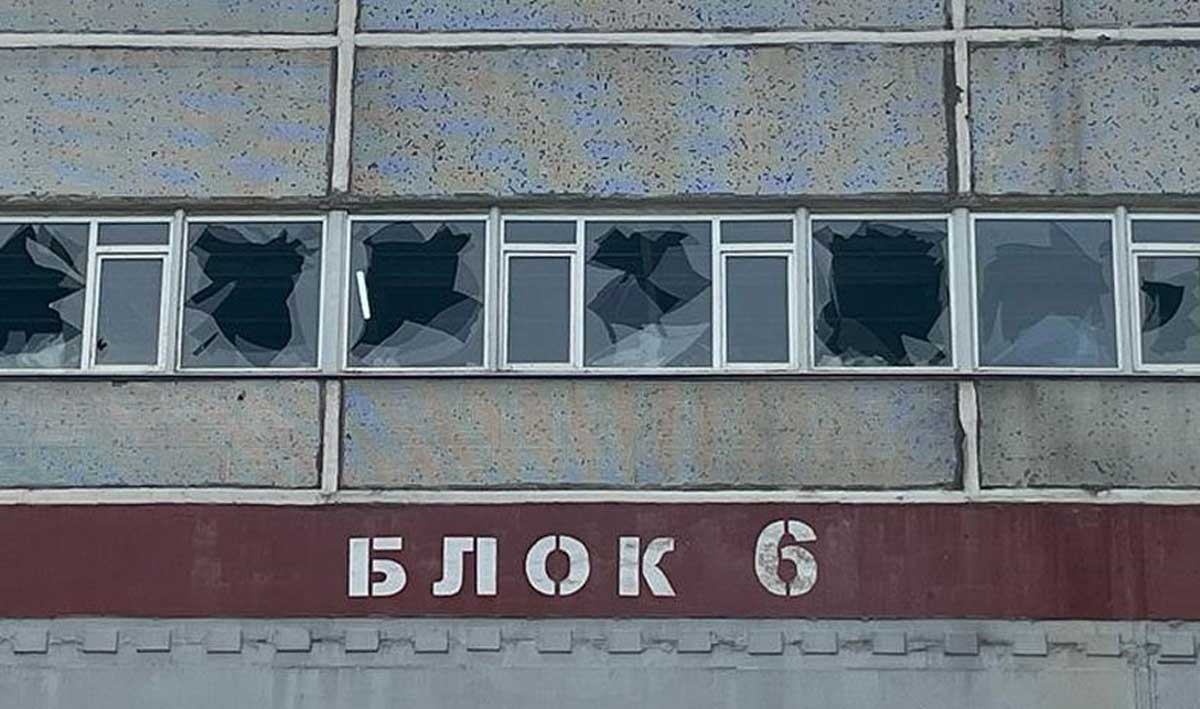
Europe’s largest nuclear power plant is not just another occupied territory, it is a radioactive bargaining chip in a high-stakes diplomatic game. The Zaporizhzhia Nuclear Power Plant (ZNPP), seized by Russia in the opening weeks of the war, has become one of the most complex points of contention in U.S.-led peace talks. Its fate hinges not only on the battlefield but on technical feasibility, energy security, and trust that neither side possesses.
The Diplomatic Equation: Who Controls the Atom?
The central question is not just ownership, but control over the energy produced and the safety protocols preventing catastrophe. Ukraine insists the plant is sovereign territory under illegal occupation. Russia claims ownership and operational control through Rosatom. The U.S.-backed proposals point toward a messy compromise: a trilateral management structure involving Ukrainian, American, and potentially Russian oversight. Ukraine seeks to regain control to address its severe electricity deficit. Russia aims to connect the plant to its grid and solidify its hold on occupied territory. Washington’s proposal of a joint Ukrainian-American model with a U.S. chief manager is an attempt to de-escalate risk and create a face-saving solution.
A Plant on the Brink
Beyond politics lies a deteriorating physical asset. The plant has not produced electricity since 2022 and survives on precarious external power to cool its reactors. The destruction of the Kakhovka Dam in 2023 triggered a long-term cooling crisis, the essential reservoir is gone, and water levels continue to drop. This calls into question whether more than one or two reactors could ever safely restart, regardless of who is in charge. The site has suffered repeated blackouts, forcing reliance on emergency diesel generators, a scenario the International Atomic Energy Agency calls “unsustainable.” Both sides trade accusations of shelling near the facility, making repair or assessment missions perilous.
The Strategic Stakes: Energy as a Weapon and a Lifeline
For Ukraine, reclaiming Zaporizhzhia is an energy imperative. Russia’s systematic bombing of Ukrainian infrastructure has created a crippling generation deficit. Losing the plant permanently could force Ukraine into a five-to-seven-year program to rebuild equivalent capacity. For Russia, the plant represents a potential solution to energy shortages in occupied southern Ukraine and Crimea, a functional trophy of war. Restarting it would allow Moscow to claim a return to “normalcy” in the territories it controls, blending economic need with political symbolism.
Stay ahead of the geopolitical week.
MD Briefing delivers expert analysis across five global fronts — the Indo-Pacific, energy, geoeconomics, European security, and the Middle East — every Monday morning. Free.
The Path Forward: A Radioactive Test for Diplomacy
Any workable solution for Zaporizhzhia must thread multiple needles. First, establishing an unimpeded, permanent IAEA presence and a guaranteed cessation of military activity around the plant is non-negotiable for safety. Second, an independent international technical assessment is required to determine the plant’s true condition, a process Ukraine says it cannot currently perform. Third, a credible long-term solution to the water supply crisis must be found before any reactor restart is considered. Finally, deciding which national grid the plant would feed, Ukraine’s, Russia’s, or both, is a deeply political decision with economic and symbolic repercussions.
More Than a Power Plant
Zaporizhzhia is a microcosm of the war itself: a struggle over sovereignty, resources, and narrative, layered atop immediate environmental danger. The talk of joint management is a diplomatic innovation, but it papers over profound mutual distrust. The plant’s ultimate fate, whether it becomes a shared resource or a permanent source of tension, will be one of the clearest indicators of whether any peace deal is built to last or is merely a pause in a longer conflict. As negotiations continue, the reactors sit silent, a monument to the war’s most dangerous stalemate.
This briefing is based on information from Reuters.
