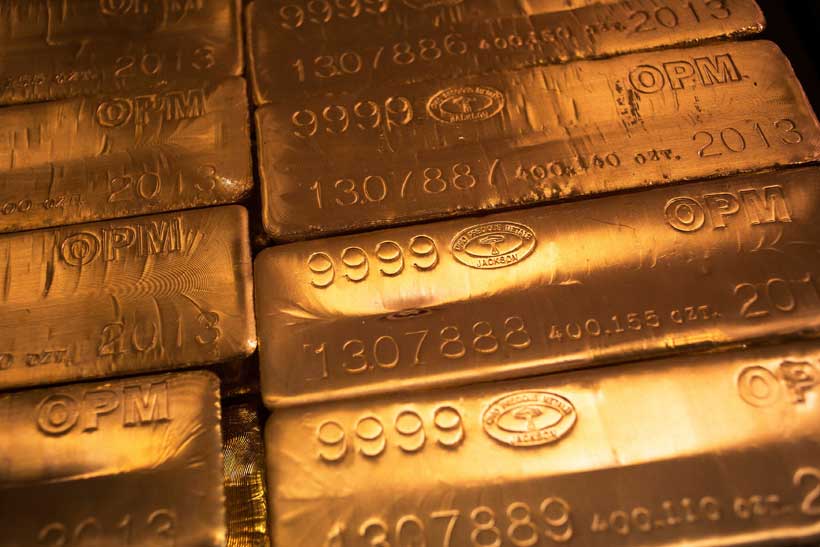
In 2025, gold prices saw their largest increase since the 1979 oil crisis, doubling over two years and reaching a record $4,381 per troy ounce in October. Factors like U. S. policy, geopolitical tensions such as the war in Ukraine, and increasing demand from central banks and investors—including new buyers like Tether—contribute to analysts forecasting gold prices to reach $5,000 by 2026. Bank of America strategist Michael Widmer noted that expectations of further price increases and the desire for portfolio diversification are fueling this demand, alongside concerns about U. S. fiscal deficits and a weak dollar.
For the fifth year, central banks are diversifying their reserves, which analysts believe will provide a solid base for gold prices in 2026. They buy gold when prices fall, which helps maintain a higher price level. JP Morgan’s Gregory Shearer mentioned that this central bank demand supports prices significantly. To maintain current price levels, a quarterly demand of around 350 metric tons is required, but analysts expect an average of 585 tons each quarter in 2026.
Investor gold holdings relative to total assets have increased from 1.5% to 2.8% since pre-2022. Morgan Stanley projects gold to reach $4,500 per ounce by mid-2026, while JP Morgan anticipates even higher average prices by the end of the year. The Bank for International Settlements indicated a rare occurrence of gold and stock prices rising simultaneously, raising concerns about a potential bubble.
Gold purchasing has become a hedge against possible drops in stock markets, driven by global trade tension and conflicts like the war in Ukraine. However, downturns in stock markets could lead to the selling of gold assets for liquidity. Nicky Shiels from MKS PAMP believes gold will evolve into a long-term critical asset instead of being only a cyclical hedge.
Although analysts expect a less dramatic rise in gold prices in 2026, with Macquarie forecasting an average of $4,225, they also predict a slowing in central bank purchases and inflows into gold ETFs. Despite decreased jewelry demand, which fell 23% in the third quarter, there might be a shift towards investment in bars and coins, as indicated by increased retail demand seen in Australia and Europe in October.
The response in gold supply has been limited, with a 6% increase in recycling and little selling from central banks. Total gold demand is projected to increase by 11% this year before dropping in 2026. Institutional interest has also changed with crypto companies like Tether purchasing significant amounts of gold, although the overall impact of such investments remains uncertain. Further expansion of investment in gold is possible, especially in Asia where some pension and insurance funds have begun to buy gold ETFs.
With information from Reuters