



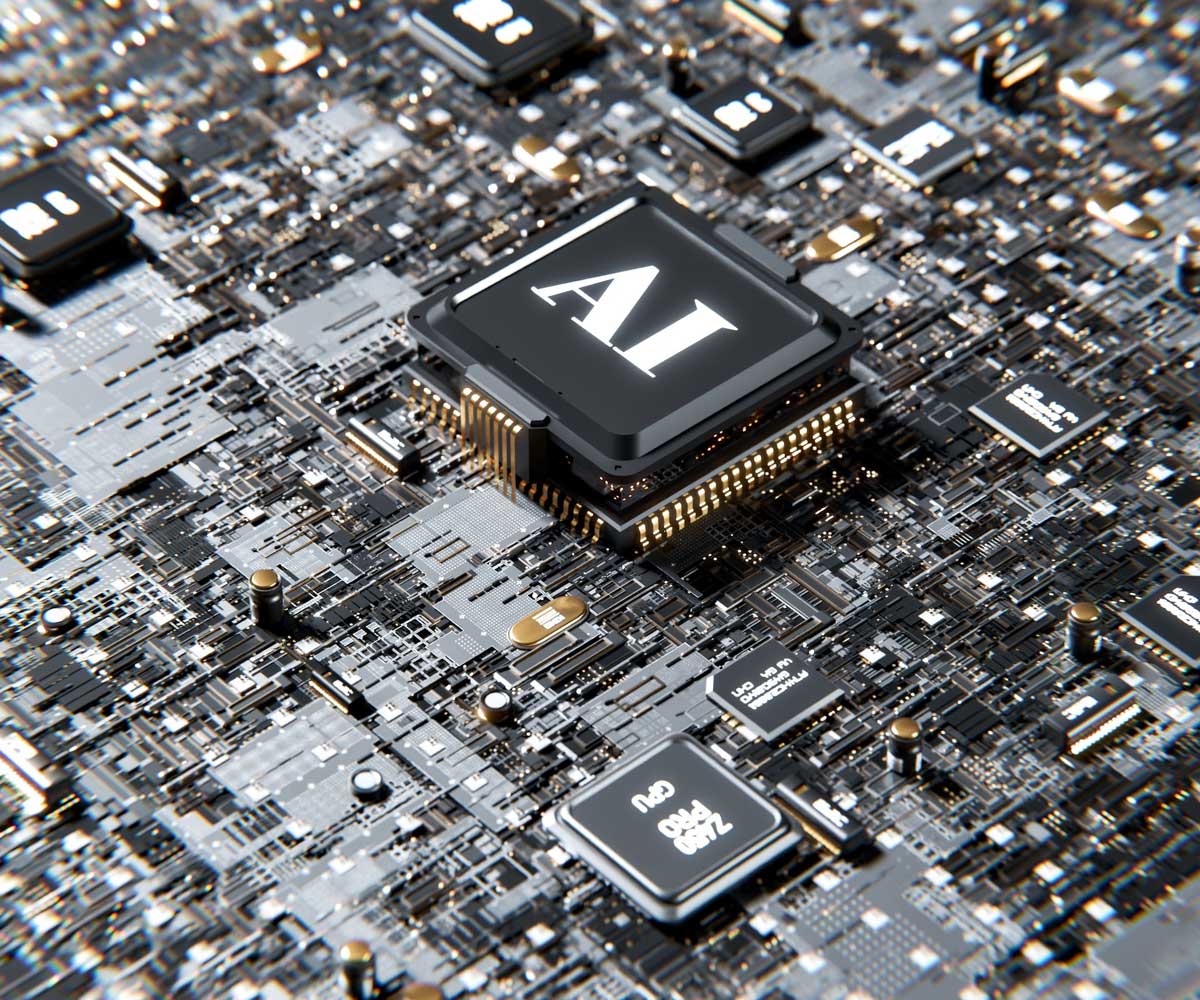
Taiwan has pushed back against a reported U.S. proposal that would require half of all semiconductor production to take place on American soil. The idea surfaced after U.S. Commerce Secretary Howard Lutnick claimed Washington’s plan was to split chip-making evenly between the two countries. Taiwan’s Vice Premier Cheng Li-chiun, returning from tariff talks in Washington, firmly denied any such agreement, stating that the matter was never discussed and that Taiwan would not accept such conditions.
Taiwan is home to the world’s most important chipmaker, TSMC, which produces the majority of advanced semiconductors used in global electronics, AI, and defense industries. While TSMC is investing $165 billion in building chip factories in Arizona, the bulk of its production capacity will remain in Taiwan. This reflects Taipei’s determination to maintain its technological dominance, even while cooperating with the U.S. on supply chain security.
Why It Matters
Semiconductors are the backbone of modern economies, powering everything from smartphones to fighter jets. Taiwan’s near-monopoly in advanced chip-making gives it enormous strategic leverage, particularly in its security relationship with the United States. Washington, meanwhile, wants to reduce dependence on Taiwan given the risk of conflict with China. The reported 50-50 plan highlights the tension between America’s desire for supply chain resilience and Taiwan’s insistence on keeping control over its crown jewel industry. The outcome of these negotiations will shape the balance of power in the global technology race.
Taiwanese government (Vice Premier Cheng Li-chiun): Denied any agreement, stressing Taiwan will not dilute its chip dominance.
U.S. officials: Declined comment but remain keen to bring more chip manufacturing to U.S. soil for national security reasons.
TSMC: Expanding in the U.S. but keeping the majority of production in Taiwan, ensuring Taipei retains strategic leverage.
Taiwan’s parliament and public: Support keeping chipmaking at home, seeing it as central to national security.
China: Watching closely, as Taiwan’s chip industry is a critical factor in the broader U.S.-China rivalry.
Future Scenarios
If Washington pushes aggressively for more chip production on U.S. soil, tensions with Taipei could grow, even as the two maintain their security alliance. Taiwan may continue to strike a balance, investing in limited overseas factories while protecting its domestic dominance. A possible compromise could see Taiwan securing tariff relief or agricultural trade concessions in return for modest expansion of chip facilities abroad. However, if U.S.-China tensions intensify, Washington may exert heavier pressure on Taiwan, forcing it into concessions it currently resists. In all outcomes, semiconductors will remain at the heart of both Taiwan’s security strategy and U.S. industrial policy.
With information from Reuters.
