


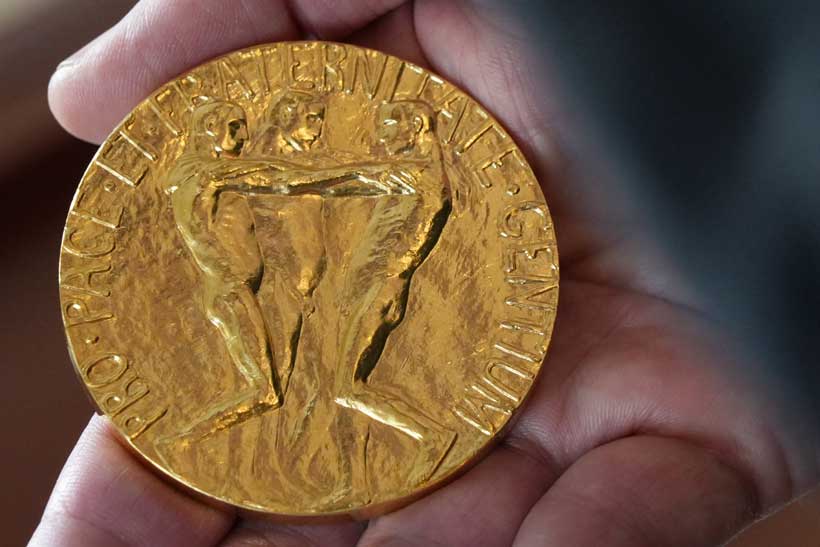
On October 10, the world will turn its eyes to Oslo as the 2025 Nobel Peace Prize laureate is announced. But behind the golden medal and global spotlight lies a century-old process shaped by history, politics, and the evolving idea of peace itself.
The Background: From Alfred Nobel’s Will to a Global Tradition
The Nobel Peace Prize traces its origins to the 1895 will of Alfred Nobel, the Swedish inventor of dynamite. Nobel, who had grown wealthy through his industrial ventures, shocked his contemporaries by directing his estate toward prizes in physics, chemistry, medicine, literature, and peace. The peace award, in particular, reflected his personal desire to promote “fellowship among nations, the abolition or reduction of standing armies, and the promotion of peace congresses.”
From the start, the prize carried both symbolic weight and practical complications. Nobel entrusted its administration to Norway’s parliament, even though Sweden was his home country. This decision was unusual but deliberate: Norway, then a small power with a reputation for neutrality, was better positioned to manage a peace award without great-power bias.
Over the years, the Nobel Peace Prize has become the most visible of all the Nobel awards, conferring not only a medal and cash prize (now around $1.2 million) but also immense international legitimacy. Laureates range from global icons such as Martin Luther King Jr., Nelson Mandela, and Malala Yousafzai to institutions like the International Committee of the Red Cross and the United Nations.
Stay ahead of the geopolitical week.
MD Briefing delivers expert analysis across five global fronts — the Indo-Pacific, energy, geoeconomics, European security, and the Middle East — every Monday morning. Free.
Yet the award has also been mired in controversy. Critics argue that political considerations often shape the committee’s choices, whether in recognizing U.S. President Barack Obama early in his presidency, awarding the EU despite its mixed foreign policy record, or honoring divisive figures such as Yasser Arafat. Each choice underscores the tension between Nobel’s original intent and the realities of global politics.
Today, with conflicts raging in Ukraine, Gaza, and beyond, and with multilateral institutions under strain, the Nobel Peace Prize remains one of the few global platforms that can spotlight efforts for peace and justice even if imperfectly.
Who Decides the Winner?
The Norwegian Nobel Committee, composed of five members appointed by Norway’s parliament, is responsible for the selection. While members often have political backgrounds, they are expected to act independently once appointed. Their task is to evaluate hundreds of nominations submitted annually by eligible nominators a group that includes heads of state, members of parliament, professors, and past laureates.
The Selection Process: A Year Long Deliberation
Nominations close on January 31 each year, after which the committee compiles a shortlist. Independent experts then assess each candidate before the committee debates and votes, usually reaching a decision by September. While the full list of nominees is sealed for 50 years, nominators often disclose their choices publicly, fueling speculation and media buzz ahead of the October announcement.
Key Issues and Controversies
Politics of Peace: Awards to figures like Obama or Arafat show how political context can outweigh pure achievements.
Global Balance: Critics argue the prize has often tilted toward Western ideals and institutions.
Expectations vs. Reality: Winners sometimes struggle to live up to the moral authority bestowed by the prize.
Stakeholders Involved
Global Leaders and Governments, who may see the prize as validation or critique of their policies.
Civil Society and NGOs, often nominated for their grassroots work on human rights, conflict resolution, or humanitarian aid.
Ordinary Citizens, who look to the prize as a moral compass in turbulent times.
The Nobel Committee Itself, constantly balancing Nobel’s vision with contemporary political realities.
Implications and My Analysis
The Nobel Peace Prize is not just about rewarding good deeds; it shapes global narratives. By spotlighting a humanitarian organization, a dissident, or a peace agreement, the committee can elevate causes that might otherwise be ignored. At the same time, it risks criticism for politicization or for rewarding aspirations rather than results.
In today’s fractured geopolitical climate, the 2025 award will carry heightened symbolism. Choosing a laureate tied to nuclear disarmament, humanitarian relief, or climate-related conflict could signal the committee’s intent to remain relevant to the crises of our time. However, awarding a controversial political figure would risk undermining its legitimacy.
In my view, the Nobel Peace Prize remains one of the few global institutions capable of moral signaling across borders. Its imperfections are real, but its ability to spotlight forgotten struggles or courageous individuals ensures it retains a unique if contested role in international affairs.
With information from Reuters.
