


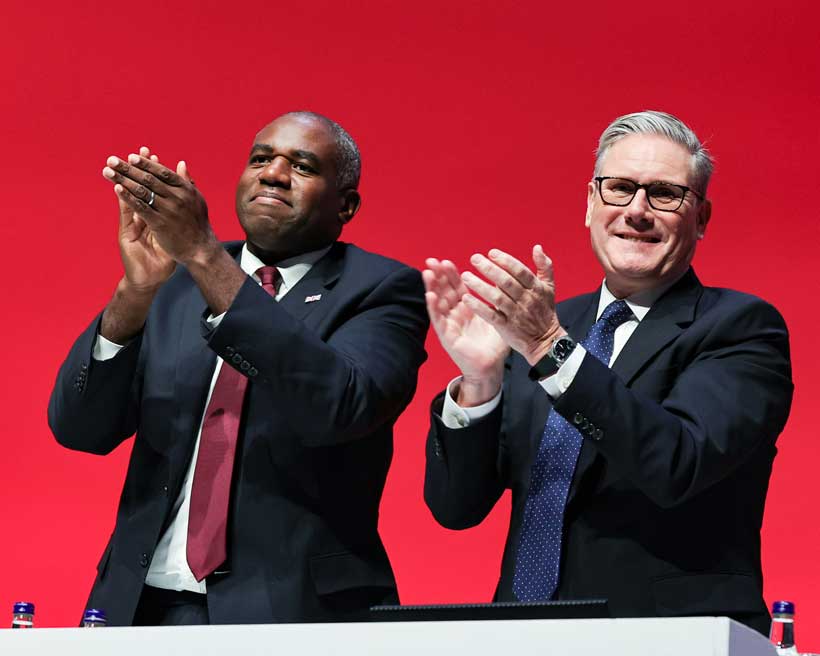
At its annual conference in Liverpool, the Labour party is facing a difficult reality a little over a year after its significant election victory. Many party members are concerned about losing voter support, especially with the populist Reform UK party gaining popularity in polls. Several Labour lawmakers attribute this decline to poor government messaging and a need for bolder policies to reengage with the working class.
Lawmaker David Smith emphasized the importance of connecting with the working class and understanding their concerns. The party is reflecting on its approach, particularly since Starmer’s leadership has seen a loss of at least 15 ministers and advisers, signaling challenges in convincing voters that the government can effectively rebuild the country. In contrast, Reform UK, led by Nigel Farage, has launched a recruitment drive, taking in former Conservatives, and shifted the focus of political discourse, especially on immigration.
Labour lawmakers worry that Starmer’s team has become more reactive than proactive, especially as they promote an economic growth narrative that does not resonate with voters. For instance, Margaret Mullane, a Labour lawmaker from a deprived area, noted that voters are more concerned about local issues than economic statistics. As the government prepares for a budget that may include tax increases, concerns about the economy grow.
Labour officials are attempting to position Reform as a party focused on grievances without offering real solutions, and they question the feasibility of Reform’s policies. In a response to Starmer’s description of Reform’s immigration policies as “racist,” Reform’s policy head, Zia Yusuf, noted the importance of acknowledging voter concerns on immigration.
There are calls within Labour to focus more on job creation in less wealthy areas and to welcome new ideas rather than dismissing them. Andy Burnham, the mayor of Manchester, criticized the party for not fostering a healthy debate about policy changes, citing a “climate of fear” in the party. He highlighted the need for a policy agenda that resonates with people’s daily lives and addresses their fundamental concerns about living costs and social welfare.
With information from Reuters
