


NEWS BRIEF
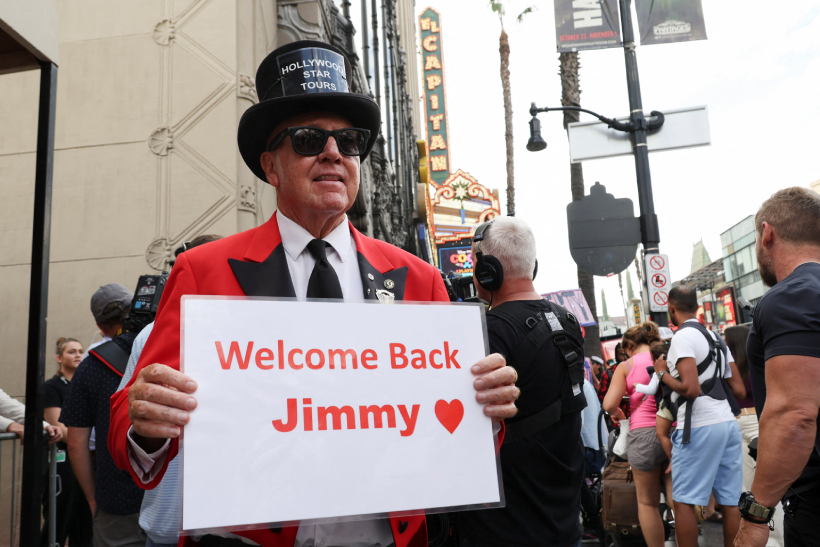
Jimmy Kimmel returned to late-night television Tuesday, defending political satire as essential free speech and accusing the Trump administration of “bullying” its critics. The comeback followed a six-day suspension over his comments about the murder of conservative activist Charlie Kirk, which drew regulatory threats from the FCC and outrage from Trump, who vowed to “test ABC out on this.”
WHAT HAPPENED
- Kimmel emotionally clarified that he never intended to make light of Kirk’s murder or blame any group, stating his remarks were “the opposite of the point I was trying to make.”
- Trump attacked ABC on Truth Social, calling Kimmel “unfunny” and suggesting the network may have made an “illegal campaign contribution” by hosting a “Democrat garbage” show.
- Despite Disney’s decision to reinstate Kimmel, major ABC affiliates Nexstar and Sinclair continued preempting his show.
- Kimmel warned that Trump’s threats extend beyond comedians to journalists, emphasizing the importance of a free press.
WHY IT MATTERS
- The standoff represents a critical test of media freedom under Trump’s pressure campaigns using regulatory threats and litigation.
- Disney’s reversal signals corporate willingness to defend speech despite government intimidation, setting a precedent for other networks.
- The ongoing boycott by Sinclair and Nexstar shows how regulatory threats can influence content distribution even after corporate reinstatement.
- Kimmel’s emotional appeal elevates the conflict from partisan bickering to a broader debate about artistic expression and press freedom.
IMPLICATIONS
- Trump’s continued attacks may lead to increased self-censorship among comedians and journalists fearing regulatory repercussions.
- Disney’s stance could encourage other media companies to resist government pressure, potentially leading to legal battles over FCC authority.
- The conflict deepens cultural divisions, with entertainment figures becoming flashpoints in broader free speech debates.
- The FCC’s threatened actions against affiliates could redefine broadcast licensing standards around content disputes.
This briefing is based on information from Reuters.
