


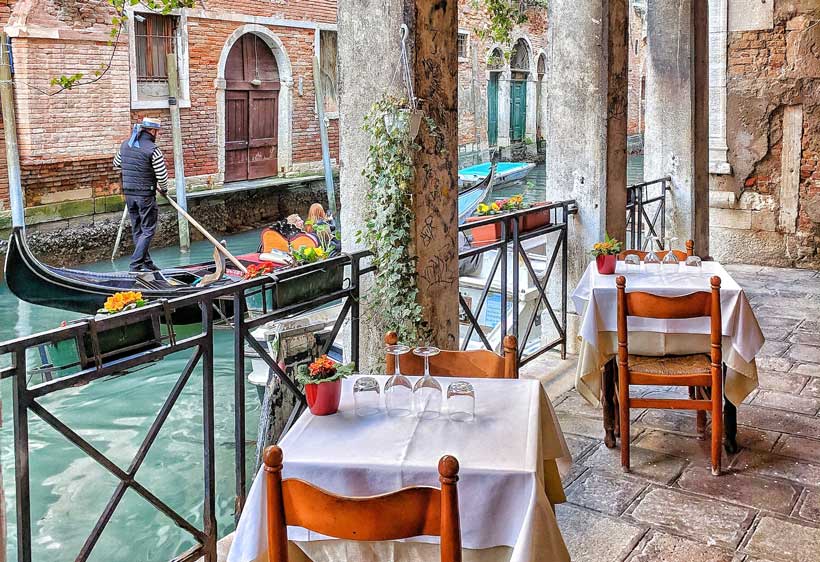
Italy’s culinary heritage is a rich mosaic shaped by centuries of tradition, a deep connection to the land, and an enduring passion for fresh, local ingredients. From lively city markets to peaceful rural retreats, the country offers countless ways for food lovers to embrace its farm-to-table philosophy. Whether journeying between the Renaissance charm of Florence and the romantic waterways of Venice or exploring the routes connecting Rome with Tuscany, Italy’s efficient rail system makes it easy to uncover the heart of its gastronomic wonders. Discover some of the finest farm-to-table experiences where you can indulge in the authentic flavors of Italy.
Tuscany: The Cradle of Italian Farm-to-Table Dining
Tuscany epitomizes the essence of farm-to-table dining. This region’s rolling hills and sun-drenched fields yield world-renowned produce, including olives, grapes, and truffles. Agriturismos (farm stays) provide a direct link between the land and your plate, with menus showcasing fresh, seasonal ingredients.

Must-Try Experience: A Culinary Retreat in Chianti
Chianti’s lush vineyards are a paradise for wine and food lovers. Here, agriturismos like Castello di Volpaia offer hands-on experiences, including pasta-making classes using farm-grown wheat. Pair your meal with a glass of Chianti Classico for a quintessential Tuscan treat.
Rome: A Gateway to Lazio’s Freshest Flavors
Rome, Italy’s bustling capital, is a treasure trove of culinary delights. Beyond the iconic dishes like cacio e pepe and carbonara, the city’s farm-to-table culture thrives in its vibrant markets and nearby countryside. Campo de’ Fiori, one of Rome’s most famous markets, offers a snapshot of local produce, cheeses, and cured meats, perfect for a picnic-style lunch.
Stay ahead of the geopolitical week.
MD Briefing delivers expert analysis across five global fronts — the Indo-Pacific, energy, geoeconomics, European security, and the Middle East — every Monday morning. Free.
For a more immersive experience, venture just outside the city to discover Lazio’s agricultural riches. Farms in the Sabina hills provide olive oil tastings, showcasing some of the region’s finest extra virgin varieties. These excursions highlight how ancient traditions shape Rome’s modern culinary scene. Conveniently, the train from Rome to Florence offers an easy transition from Lazio’s flavors to Tuscany’s culinary wonders, making it effortless to explore both regions’ farm-to-table offerings.
Must-Try Experience: Explore Rome’s Markets and Countryside
Rome offers a perfect blend of urban and rural culinary experiences. Start at Campo de’ Fiori, a historic market brimming with seasonal vegetables, fragrant herbs, and local cheeses. For a more immersive farm-to-table encounter, take a short trip to the Sabina hills, where you can visit olive groves and taste freshly pressed extra virgin olive oil. Pair it with rustic bread and local wines to enjoy a true Roman countryside feast.
Florence: Tuscany’s Culinary Capital
Florence is not only the birthplace of the Renaissance but also a hub for Tuscan gastronomy. The city’s bustling San Lorenzo Market is a must-visit, offering fresh produce, artisanal cheeses, and wines sourced from the surrounding countryside. Here, you can find everything from pecorino to truffle-infused honey, perfect for creating your own Tuscan feast.
Outside the city, farm-to-table dining thrives in the Chianti region. Many agriturismos near Florence welcome visitors for hands-on culinary experiences, like learning to make ribollita (a hearty vegetable soup) or gnudi (spinach and ricotta dumplings). Pair these dishes with a glass of Chianti Classico to truly savor the spirit of Florence and Tuscany. After immersing yourself in Florence’s culinary delights, the train from Florence to Venice offers a picturesque journey to the Veneto region, where you can continue your exploration of Italy’s diverse farm-to-table traditions.
Must-Try Experience: Discover Tuscan Farm-to-Table Dining
Florence provides an ideal gateway to explore Tuscany’s farm-to-table treasures. Begin at San Lorenzo Market, where you can sample local delicacies like pecorino cheese and handmade pastas. Venture into the nearby Chianti region to visit agriturismos, where you can learn to cook traditional dishes like ribollita or gnudi. These experiences often include a tour of vineyards and wine tastings, ensuring a full immersion into Tuscany’s culinary culture.
Venice: A Fusion of Land and Sea
Venice is celebrated for its seafood-driven cuisine, made possible by its lagoon’s abundant resources. The Rialto Market, nestled in the heart of the city, offers a dazzling array of fresh fish, shellfish, and seasonal vegetables that reflect the region’s deep connection to the Adriatic Sea.
For an authentic farm-to-table experience, take a short boat ride to the island of Mazzorbo, home to Venissa, a renowned estate that combines organic farming with innovative gastronomy. Here, guests enjoy dishes crafted with locally grown vegetables and fresh seafood. This unique blend of sustainability and luxury makes Venice a standout destination for culinary adventurers.
Must-Try Experience: Organic Dining at Venissa
Venice’s unique geography provides an abundance of fresh seafood and produce. Start with a visit to the Rialto Market to admire the day’s catch and seasonal vegetables. Then, take a boat ride to the island of Mazzorbo, home to the Venissa estate. This Michelin-starred farm-to-table restaurant uses ingredients grown in its organic gardens and freshly caught seafood from the lagoon. Dining here is not just a meal but a sensory journey into Venice’s sustainable culinary traditions.
Planning Your Journey
Exploring Italy’s varied regions is an adventure in itself. The route between Florence and Venice reveals picturesque vistas of Tuscany’s rolling hills and the Veneto’s fertile plains, while traveling from Rome to Florence links two iconic cultural centers, opening the door to Tuscany’s rich culinary heritage. With its reliable and eco-friendly rail network, Italy makes it effortless to visit these gastronomic destinations while reducing your travel footprint.
Conclusion
Italy’s farm-to-table experiences invite travelers to savor the authenticity of its culinary heritage while supporting sustainable practices. Whether you’re sampling Parmigiano-Reggiano in Emilia-Romagna, learning to make pasta in Puglia, or enjoying an organic feast near Venice, each bite connects you to the land and the traditions that make Italy’s cuisine world-renowned.
