


NATO leaders are gathering in Ankara at a critical moment for the alliance as Europe faces mounting pressure to strengthen its own defence capabilities. Since Russia’s full scale invasion of Ukraine in 2022, European governments have sharply increased military spending while expanding defence production and modernising their armed forces.
The push has also been driven by repeated demands from U.S. President Donald Trump, who has argued that European allies rely too heavily on Washington for their security. Trump has urged NATO members to spend more on defence and has questioned whether the United States should continue carrying the largest share of the alliance’s military burden.
Against this backdrop, NATO members are expected to announce major defence contracts before the alliance summit begins in Ankara, signalling their commitment to strengthening collective security and reassuring the United States of Europe’s growing defence role.
Overview
NATO members are set to unveil defence deals worth tens of billions of dollars in Ankara on Tuesday ahead of a summit that will bring together alliance leaders and U.S. President Donald Trump.
Stay ahead of the geopolitical week.
MD Briefing delivers expert analysis across five global fronts — the Indo-Pacific, energy, geoeconomics, European security, and the Middle East — every Monday morning. Free.
The announcements will be made during a NATO defence industry forum before leaders gather for the official summit, where defence spending, military production, Ukraine and transatlantic relations are expected to dominate discussions.
The deals are intended to demonstrate that European allies are increasing defence investment and responding to long standing U.S. demands for greater burden sharing.
Major Defence Deals to Be Announced
Although many of the agreements remain confidential, NATO officials expect contracts worth tens of billions of dollars to be revealed during the defence industry forum.
Dutch Defence Minister Dilan Yeşilgöz said the Netherlands alone will announce defence projects exceeding 3 billion euros, including cooperation with Belgium on air defence and Britain on naval vessels.
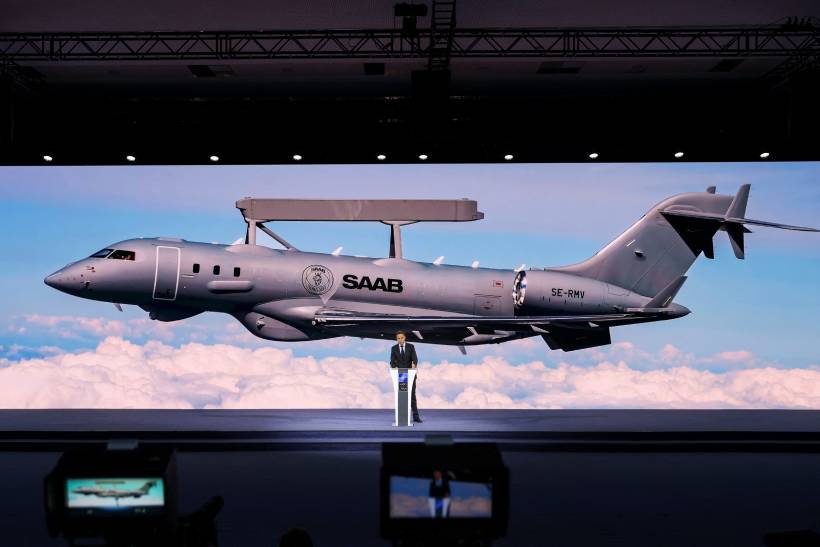
NATO is also expected to confirm plans to replace its ageing fleet of United States built AWACS surveillance aircraft with Sweden’s GlobalEye airborne early warning system, marking a significant modernisation effort for the alliance.
Separately, Canada has selected Germany’s TKMS to build up to 12 submarines for its navy, reinforcing NATO’s broader investment in military capabilities.
Trump’s Demands Shape the Summit
Trump’s long standing criticism of NATO members is expected to remain a central theme throughout the summit.
He has repeatedly argued that European governments have failed to contribute sufficiently to collective defence and has warned that the United States should not bear a disproportionate share of the alliance’s security responsibilities.
NATO Secretary General Mark Rutte said European allies and Canada have significantly increased defence spending in recent years, describing the progress as substantial and acknowledging Trump’s influence in driving higher military investment.
Turkey Seeks Closer Defence Cooperation
The summit also presents an opportunity for Turkey to strengthen defence ties with Washington.
Reuters sources say Trump is expected to indicate that he is willing to allow Turkey to rejoin the F 35 fighter jet programme after the country was removed following its purchase of Russia’s S 400 air defence system in 2019.
Turkish President Recep Tayyip Erdoğan is expected to use bilateral talks with Trump to seek progress on sanctions relief and broader defence cooperation.
Ukraine Remains High on the Agenda
Support for Ukraine is expected to feature prominently during the summit.
NATO members are preparing to reaffirm military assistance, with allies expected to pledge around 70 billion euros in support this year.
The discussions come as Russia continues large scale missile and drone attacks on Ukraine, highlighting Kyiv’s continuing demand for advanced air defence systems and military assistance.
Alliance Faces Broader Strategic Challenges
Beyond defence spending, NATO leaders will discuss how to expand defence industrial production, strengthen weapons manufacturing and improve military readiness.
The alliance is also seeking to reassure members following recent U.S. troop reductions in Europe and uncertainty surrounding Washington’s long term military commitments.
Officials hope the summit will project unity despite disagreements over issues including the Iran conflict, Greenland and burden sharing within the alliance.
Why It Matters
The Ankara summit will test NATO’s ability to demonstrate unity at a time of growing geopolitical uncertainty.
The defence agreements are intended not only to strengthen military capabilities but also to reassure the United States that European allies are assuming greater responsibility for regional security.
The outcome could shape future transatlantic relations, NATO’s support for Ukraine and the alliance’s preparedness to respond to emerging security challenges.
Stakeholders
NATO Members
Seeking to strengthen collective defence and demonstrate increased military investment.
United States
Pressing European allies to assume a greater share of NATO’s defence responsibilities.
Turkey
Looking to improve defence relations with Washington and advance cooperation on major military programmes.
Ukraine
Hoping for continued military assistance and political support from NATO allies.
European Defence Industry
Expected to benefit from increased military procurement and long term investment.
What Happens Next
NATO leaders will formally open the summit in Ankara following the defence industry forum and arms announcements.
Discussions are expected to focus on defence spending commitments, military production, continued support for Ukraine and the future of transatlantic security cooperation.
Attention will also centre on Trump’s meetings with Erdoğan and other NATO leaders, particularly any decisions regarding Turkey’s possible return to the F 35 programme and the broader direction of U.S. engagement within the alliance.
With information from Reuters.
