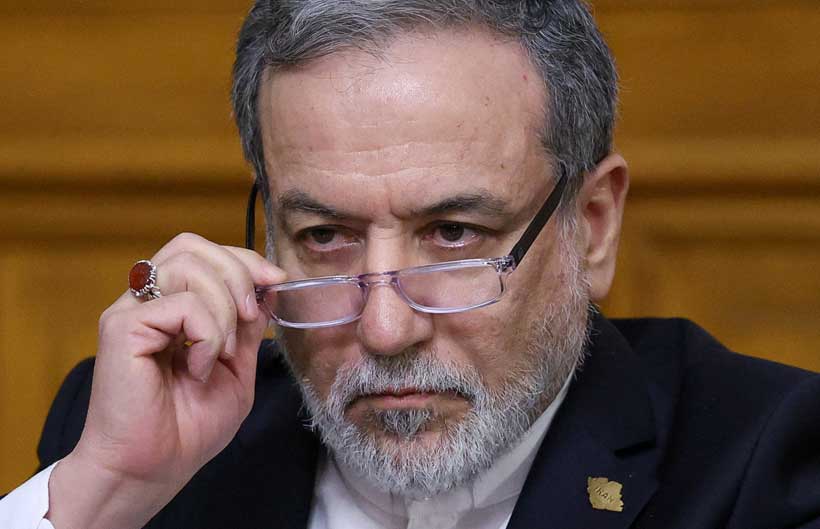
Iranian Foreign Minister Abbas Araqchi presented Iran’s demands and concerns about U. S. positions during talks in Islamabad aimed at ending a war that has caused significant losses and impacted global markets. Araqchi met with Pakistani Prime Minister Shehbaz Sharif and senior officials, while U. S. special envoy Steve Witkoff and Jared Kushner were also in Pakistan; however, Iran rejected any new direct negotiations. The situation is tense as Iran has closed the Strait of Hormuz, vital for oil shipments, while the U. S. continues to block Iran’s oil exports.
The conflict began with U. S.-Israeli airstrikes on Iran on February 28, leading to Iranian strikes on U. S. locations and Gulf states, resulting in a ceasefire currently in place. This conflict has pushed energy prices to highs, increasing inflation worldwide. Araqchi expressed Iran’s foundational viewpoints regarding the ceasefire’s status and the war’s resolution, noting that Iran would not accept extreme demands from the U. S.
U. S. Defense Secretary Pete Hegseth spoke of a potential “good deal” if Iran chooses to abandon its nuclear weapons program. Araqchi stated that Iranian officials did not plan to meet with U. S. representatives and that their concerns would be discussed with Pakistan as the mediator. President Trump indicated that Iran might present an offer to meet U. S. demands, though details were unclear.
After Trump extended the ceasefire, international flights resumed from Tehran’s Imam Khomeini International Airport, with operations expected to increase. This development followed a blockage of Iranian airspace due to war-related risks. Oil prices rose dramatically due to uncertainty surrounding peace talks and ongoing regional violence. Shipping data showed a significant decline in vessels crossing the Strait of Hormuz during the war, with only five ships reported in a day compared to prior figures.
As tensions continued, Iranian officials suggested they were still in control of the Strait of Hormuz despite U. S. efforts to diminish Iranian military power. Iranian military leadership warned of a response to ongoing U. S. blockades. Efforts to extend ceasefires were noted in ongoing conflicts involving Israel and Lebanon, although fighting persisted, challenging the peace efforts. Reports indicated recent Israeli strikes in southern Lebanon caused casualties, further complicating the ceasefire situation.
With information from Reuters