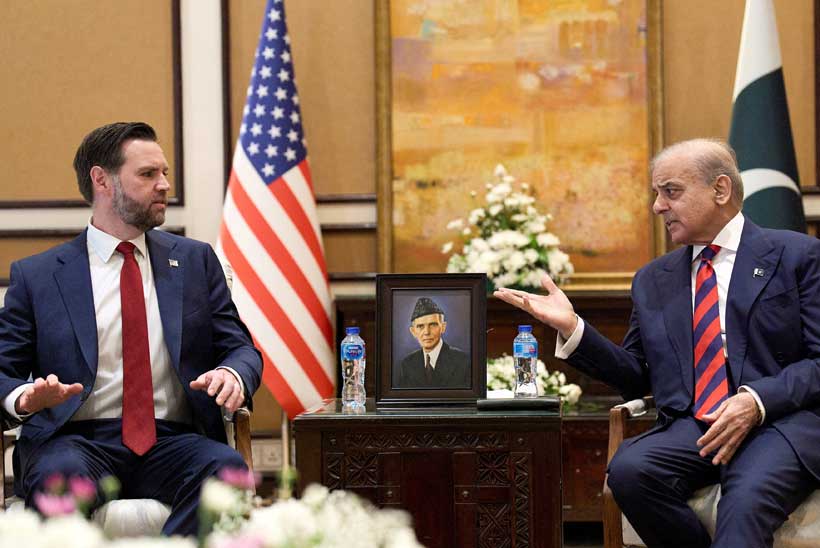
European allies are worried that the U. S. negotiating team, seen as inexperienced, is pushing for a quick agreement with Iran that may not truly address underlying issues. Diplomats fear that a superficial deal on Iran’s nuclear program and sanctions relief could lead to prolonged complications later. A senior European diplomat noted the concern is not about reaching an agreement but rather about crafting a poor one that could cause ongoing problems.
In response to critiques, the White House defended its approach, stating that President Trump has successfully negotiated beneficial deals before and will prioritize U. S. interests. The situation is reminiscent of the U. S. withdrawing from the Joint Comprehensive Plan of Action in 2018, which was previously negotiated with France, Britain, and Germany, who feel sidelined now.
Following U. S. airstrikes, negotiations started in Islamabad, focusing again on the exchange of nuclear limitations for economic relief. Diplomats expressed that there is a significant lack of trust and different negotiating styles between the U. S. and Iran, which might result in an unstable agreement. It took 12 years of work to reach the 2015 deal, leading some to doubt the feasibility of achieving a new deal quickly.
While a basic agreement may be reached, the nuclear part remains contentious. There are specific concerns regarding Iran’s stockpile of uranium, with discussions around options like “downblending” under supervision from the International Atomic Energy Agency, or sending some material abroad to places like Turkey or France.
Despite potential paths forward, lengthy discussions would be necessary regarding the recovery and verification of material potentially impacted by previous airstrikes. Iran has also proposed storing some materials outside its borders temporarily. The ongoing conflict highlights deeper disputes, particularly over Iran’s right to enrich uranium. The Trump administration seeks a total halt to enrichment, while Iran maintains that it has rights for civilian purposes.
Concessions may include a temporary halt to enrichment followed by very limited resumption under strict conditions, with Europeans emphasizing the need for strong IAEA involvement. They argue that negotiations with Iran require careful attention to detail and cannot be rushed.
The economic discussion centers on lifting sanctions and accessing frozen assets. Initially, Iran wants limited access to these funds, with more comprehensive relief needing European support. U. S. officials appear to be approaching the negotiations with a different mindset, viewing the agreement as separable from the more complex follow-up, which may misinterpret Iran’s negotiation style.
Iran’s demands include a guarantee against aggression after previous attacks from the U. S. and Israel. Concerns are shared among U. S. allies, with Gulf states seeking limitations on Iran’s missile capabilities and Israel urging strict constraints. However, Iran views its missile capabilities as crucial for deterrence.
Diplomats believe that total elimination of these capabilities is unlikely without broader security assurances. Washington’s requirements include an end to uranium enrichment and dismantling of major facilities, alongside a framework for regional de-escalation. European officials admit their sidelining and the lack of U. S. expertise compared to past negotiations, emphasizing that successful talks require deep knowledge. Meanwhile, the White House maintains that U. S. officials are actively involved in ongoing discussions.
With information from Reuters