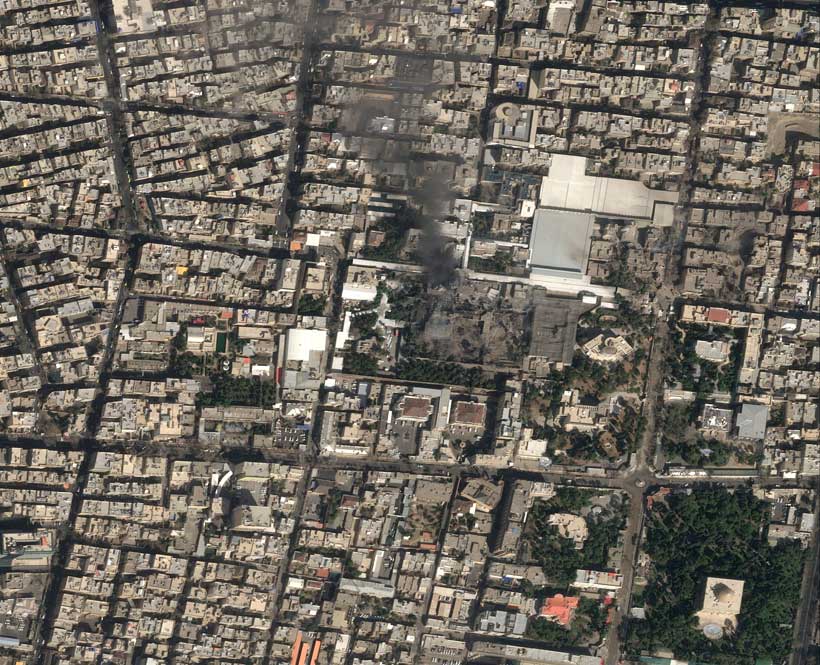
U. S.-Israeli strikes on Iran have resulted in the deaths of several important political and military leaders, significantly impacting the Islamic Republic’s leadership amid a regional conflict affecting energy markets and global shipping.
The Supreme Leader, Ayatollah Ali Khamenei, who ruled Iran since 1989 and fostered hostility towards the U. S. and Israel, was killed at age 86 in a strike on his compound on February 28. His rule was characterized by a stronghold on power and increased regional influence despite ongoing tensions over Iran’s nuclear program.
Key officials who died include Ali Larijani, secretary of the Supreme National Security Council, killed at 67 on March 17 alongside his son and deputy in a strike in Pardis. Esmail Khatib, Iran’s intelligence minister, was killed in an Israeli strike on March 18. Ali Shamkhani, a top adviser to Khamenei involved in security and nuclear policy, was also killed in the February 28 strikes.
Prominent military figures lost include Mohammad Pakpour, commander-in-chief of the IRGC, and Aziz Nasirzadeh, the defense minister, both killed in strikes on February 28. Abdolrahim Mousavi, chief of staff of armed forces, was killed in the same wave of attacks during a senior leadership meeting in Tehran. Gholamreza Soleimani, commander of the Basij paramilitary force, died in strikes on March 17.
Also, Behnam Rezaei, the Revolutionary Guards’ navy intelligence chief, and Alireza Tangsiri, navy commander, were killed in strikes on March 26. Tangsiri had been influential in controlling the Strait of Hormuz. Lastly, Majid Khademi, head of intelligence for the IRGC, was killed in an air strike in April 2026.
With information from Reuters