


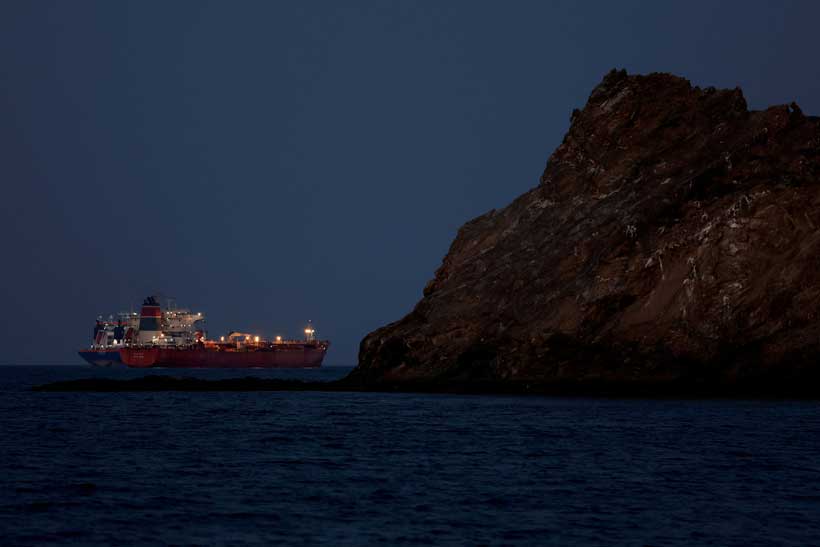
The escalating confrontation between the United States and Iran has pushed the Strait of Hormuz into prolonged disruption, with the vital shipping route effectively closed for over two months. The strait, which normally carries between 20 and 25 percent of the world’s seaborne oil, has become the focal point of a wider geopolitical and economic crisis.
As tensions intensified, Iran restricted maritime access while the United States imposed a naval blockade, severely limiting Tehran’s ability to export crude. President Donald Trump announced “Project Freedom,” an effort to escort non aligned vessels through the strait, but continued clashes and reported attacks have kept the route largely inaccessible.
Immediate Market Shock
The short term consequences have been dramatic. Oil tankers remain stranded, global prices have surged, and Iran is rapidly approaching its storage limits. Analysts warn that if storage capacity is exhausted, Iran may be forced to shut down oil wells entirely.
While this may appear to be a straightforward response to logistical constraints, the reality is far more complex. Oil production systems are not designed for abrupt and prolonged shutdowns, and the effects can extend well beyond the duration of the crisis.
Stay ahead of the geopolitical week.
MD Briefing delivers expert analysis across five global fronts — the Indo-Pacific, energy, geoeconomics, European security, and the Middle East — every Monday morning. Free.
The Hidden Complexity of Oil Reservoirs
Oil fields are often misunderstood as vast underground pools, but in reality, oil is trapped within microscopic pores in rock formations. These reservoirs function through a delicate balance of pressure, temperature, and fluid interaction between oil, gas, and water.
Production depends on maintaining this balance. When a well is active, pressure differences drive oil toward the surface. Shutting down a well disrupts this equilibrium, potentially triggering a chain reaction of physical and chemical changes within the reservoir.
Pressure Disruption and Flow Instability
One of the first consequences of shutting a well is the alteration of pressure distribution. While pressure may temporarily build near the well, the broader reservoir can experience uneven shifts that affect long term productivity.
In fields that rely on techniques such as water or gas injection, halting operations can disrupt carefully managed systems. Injected fluids may begin to move unpredictably, bypassing oil rich zones and reducing the efficiency of extraction when production resumes.
Chemical Changes and Blockages
Crude oil contains complex compounds such as waxes and asphaltenes that remain stable under normal flow conditions. When production stops, changes in pressure and temperature can cause these substances to solidify or precipitate.
This can lead to blockages within the reservoir or the well itself, restricting future flow. Removing such deposits often requires costly and technically challenging interventions, and in some cases the damage cannot be fully reversed.
Water Intrusion and Declining Output
Water is naturally present in oil reservoirs and is often used in injection processes to maintain pressure. During shutdowns, water can migrate into oil producing zones, a phenomenon known as water intrusion.
Once established, this condition can persist after production resumes, leading to higher water output and lower oil recovery. Managing excess water increases operational costs and can render some wells economically unviable.
Structural and Mechanical Risks
Extended shutdowns also pose risks to the physical integrity of wells. Corrosion, mineral buildup, and structural degradation can occur when systems remain inactive for long periods.
Restarting production may require extensive repairs or reworking, increasing both time and financial costs. In extreme cases, wells may become permanently compromised.
Long Term Reservoir Damage
At a larger scale, fluctuations in pressure can lead to compaction of the reservoir rock. This reduces the space available for oil storage and flow, permanently lowering production capacity.
Additionally, dissolved gas within the oil may separate under changing pressure conditions, forming bubbles that block flow pathways. This can trap portions of oil within the reservoir, making them difficult or impossible to recover with existing technology.
Environmental Consequences
While shutting down wells may reduce emissions temporarily, it can create longer term environmental challenges. Pressure instability may increase methane leakage, and restarting production often involves flaring and venting.
As reservoirs become less efficient, more energy is required to extract smaller quantities of oil, increasing the environmental footprint per barrel.
Analysis
The situation facing Iran highlights a critical reality of global energy systems. Oil production is not a simple on and off process but a continuous interaction with complex geological structures.
For the United States, restricting Iran’s oil exports may appear to be an effective strategic move. However, forcing widespread shutdowns risks causing lasting damage to reservoirs, potentially reducing future supply capacity and contributing to long term market instability.
For global markets, this introduces a new layer of uncertainty. Even if geopolitical tensions ease and production resumes, the underlying damage to oil fields may limit output, sustain higher prices, and increase volatility.
Ultimately, the crisis underscores the limits of using energy infrastructure as a tool of geopolitical pressure. Actions taken at the surface can have irreversible consequences below it, shaping supply dynamics long after the immediate conflict has passed.
With information from Reuters.
