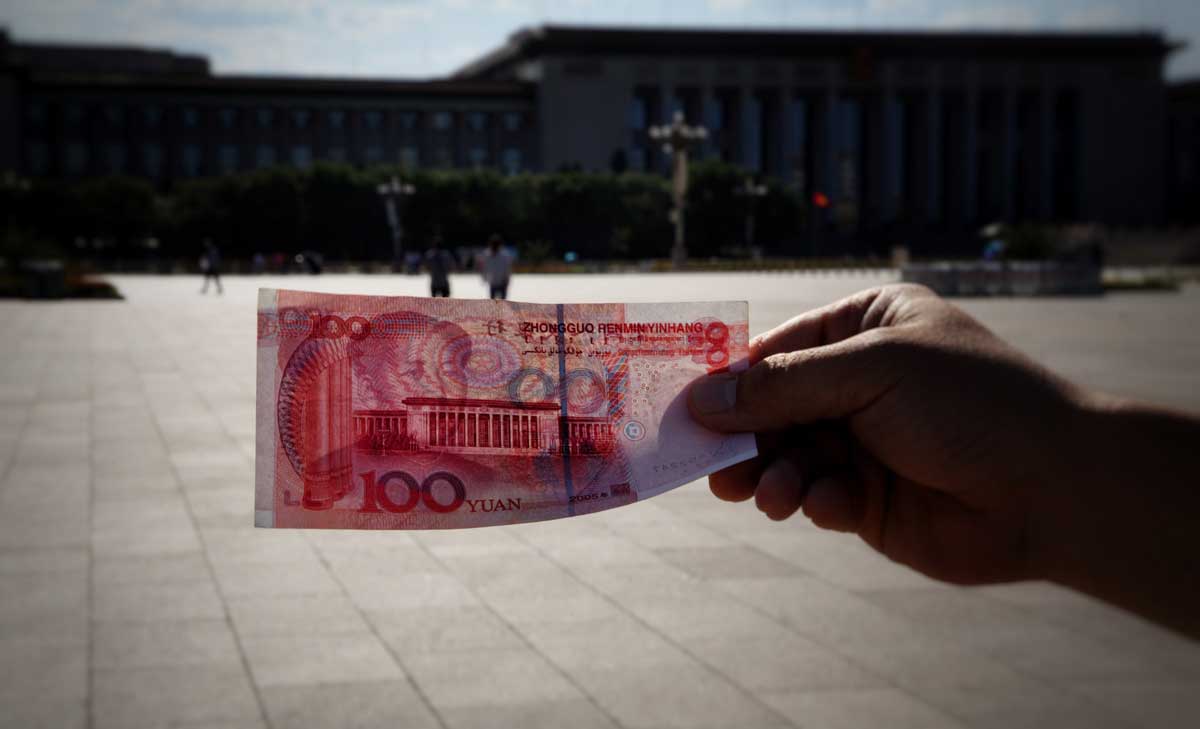
China is facing potential economic challenges as deflation risks could worsen due to the ongoing conflict in Iran. Economists warn that this situation might lead to “bad inflation,” while weak consumer demand and decreased external markets limit the economy’s resilience. China has advantages like strategic oil reserves and a regulated energy market, which offer more protection than many other countries facing stagflation, especially in Europe. However, rising input costs, particularly from oil, could pressure businesses already struggling with low profits and employment.
Analysts believe that a 10% increase in oil prices might boost producer price inflation from its current negative rate. Brent oil prices have surged 45% since February 28, amid the U. S.-Israeli strikes on Iran, risking an increase in factory prices, potentially turning positive for the first time in over three years if the conflict does not escalate further. However, this type of inflation, caused by rising costs rather than increased demand, may harm corporate profits and create challenges for firms already operating at a loss.
Chinese firms may choose to absorb higher costs rather than raising prices, which could further jeopardize jobs and reduce consumer spending. Data indicates that consumer prices could only incrementally rise in response to oil price increases due to intense competition. In 2025, per-capita disposable income increased by 5%, but many workers did not receive salary raises last year, with a significant percentage of youth experiencing unemployment. Personal stories highlight the struggle for job seekers amid tight market conditions.
China remains more insulated compared to other regions, but a strong global economy is crucial for meeting its growth targets this year without resorting to stimulus. The threat from the Iran conflict lies in its potential to slow global consumption, adversely affecting Chinese exports. Predictions indicate that a significant rise in oil prices could negatively impact China’s GDP growth. Although China’s position allows it to capitalize on certain export advantages due to energy access, the overall demand for exports might still decrease. Long-term fiscal support for households is suggested as essential to realign supply and demand and support economic growth amid these challenges.
With information from Reuters