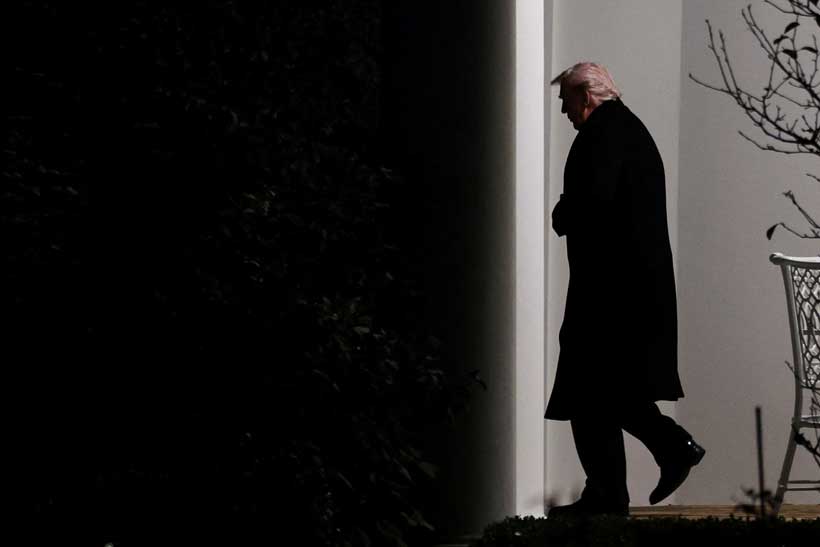
With rising global energy prices and declining job approval ratings, Donald Trump is faced with critical choices amid a month-long conflict with Iran: he can opt for a potentially flawed deal or escalate military efforts, risking a prolonged war that could define his presidency. As he navigates U.S.-Israeli efforts to manage an escalating Middle East crisis caused by Iran’s firm control over Gulf oil shipments, analysts question whether Trump will seek to de-escalate or intensify military actions.
Trump has expressed a desire to avoid a “forever war” and aims for a negotiated exit, indicating a preference for a short, four-to-six-week conflict while recognizing that this timeline seems uncertain. Despite his diplomatic outreach, including a 15-point peace proposal relayed through Pakistan, the chances for effective negotiations seem slim. Jonathan Panikoff, a former U.S. intelligence officer, noted the absence of a clear satisfactory outcome for ending the conflict.
Attempting to strengthen his position, Trump is deploying additional U.S. troops to the region and warning of increased military action against Iran if negotiations fail. This show of force is designed to compel Tehran to make concessions, though it risks entangling the U.S. in a longer war, which could be unpopular among American voters. Some analysts suggest that Trump may consider launching a significant air assault to damage Iran’s military capacity significantly, after which he could declare victory. However, getting Iran to reopen the crucial Strait of Hormuz remains critical for any successful conclusion of the war.
Despite Trump’s claims of controlling the situation, he faces growing anxiety as Iran retaliates strongly, causing severe disruptions to oil shipping and affecting the global economy. His recent retraction of a threat to destroy Iran’s power grid, instead allowing diplomacy more time, indicates a recognition of the need for a more measured approach.
Domestically, the war’s unpopularity is evident, with Trump’s approval rating plummeting to 36%. Concerns are rising among Republican lawmakers about the electoral impact of the conflict, prompting criticism over the administration’s lack of transparency about the conflict’s scope. Despite White House reassurances about briefings, dissatisfaction persists.
The diplomatic options available are complicated by a lack of acceptable terms for Iran, who deems Trump’s 15-point plan as unrealistic. Iranian leaders are not eager to negotiate from a position they believe allows them to survive the conflict without conceding. Hindered by changes in leadership due to U.S.-Israeli strikes and a heightened distrust of Trump following previous airstrikes during negotiations, the diplomatic landscape has grown tumultuous.
While some Israeli officials worry about potential U.S. concessions, Gulf allies express concerns about a premature U.S. withdrawal, fearing fallout from a hostile Iran. Ground troop deployment remains a contentious issue, with warnings from Gulf allies against such an escalation.
Trump’s mixed messaging—alternating between reassurance and threats—keeps both domestic and international parties uncertain. This strategy of issuing contradictory signals has been characterized as a means to confuse adversaries and maintain a heightened state of unpredictability. As situations evolve, the administration’s next moves remain uncertain, creating an environment of speculation and tension regarding the future trajectory of U.S.-Iran relations.
With information from Reuters