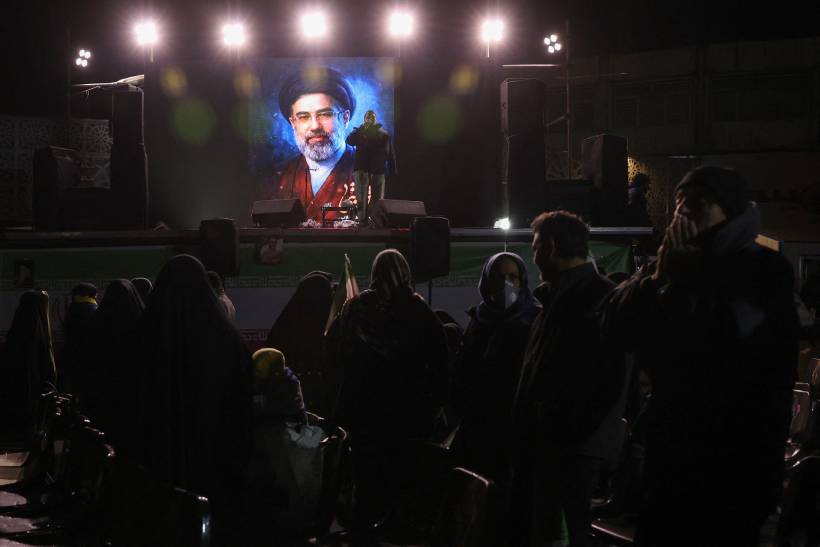
Iran’s supreme leader, Ayatollah Ali Khamenei, and several key figures, including Revolutionary Guards commanders, have been killed in U. S.-Israeli military strikes. Despite these losses, the Iranian government has continued to function effectively in the ongoing war that began on February 28. The Islamic Republic, established after the 1979 revolution, has a complex power structure that relies on a broad institutional framework rather than a few individuals.
Khamenei, who had been in power since 1989, was a decisive leader with complete authority over major decisions. His ideology, known as velayat-e faqih, requires that the supreme leader be a learned cleric acting on behalf of Shi’ite Islam’s 12th imam. Following Khamenei’s death, his son, Mojtaba Khamenei, took over his position and powers, but he does not command the same immediate authority his father did. Mojtaba was also wounded in the strikes and has had little public visibility since his appointment, raising concerns about his capacity to lead.
The Islamic Revolutionary Guards Corps (IRGC), influential for many years, now plays an even more crucial role in decision-making amid the turmoil. They have prepared for leadership changes and can function independently, allowing them to replace lost commanders quickly. Many top commanders were killed early in the conflict, but replacements have been able to manage military operations effectively. The IRGC has historical experience from previous conflicts, such as the Iran-Iraq war, enhancing their operational capability.
Iran’s political system combines clerical authority with elected positions, including the president and parliament, which share power with the IRGC. The death of Ali Larijani, a top adviser to Khamenei, has significantly impacted the government’s ability to navigate internal power dynamics and external negotiations. While experienced politicians remain, those likely to fill the roles of the deceased may be more hardline.
Among the prominent figures still alive, key leaders include:
– Ahmad Vahidi, head of the Revolutionary Guards, an experienced political and military figure with a history of involvement in various capacities within Iran’s defense establishment.
– Esmail Qaani, chief of the IRGC’s Qods Force, responsible for managing Iran’s regional relationships with various allies and proxies since taking over after Qassem Soleimani’s death.
– Mohammad Baqer Qalibaf, Parliament Speaker and former Tehran mayor, who has gained visibility and influence during the conflict and is reportedly in negotiations with the U. S.
– Ayatollah Gholamhossein Mohseni-Ejei, the Judiciary Head and a hardliner known for his past role in repressing protests.
– Masoud Pezeshkian, the President of Iran, whose influence has diminished but still represents the senior elected figure in the country.
– Saeed Jalili, former National Security chief, known for his hardline views and recent injury, is a notable political figure.
– Ayatollah Alireza Arafi, a member of the Guardian Council and trusted figure selected to be part of the interim government following Khamenei’s death.
– Abbas Araqchi, the Foreign Minister, who has engaged in critical diplomatic negotiations with both Western and regional powers.
Overall, the Iranian system has shown resilience and adaptability despite significant leadership losses, maintaining operations and strategies amidst ongoing conflict.
With information from Reuters