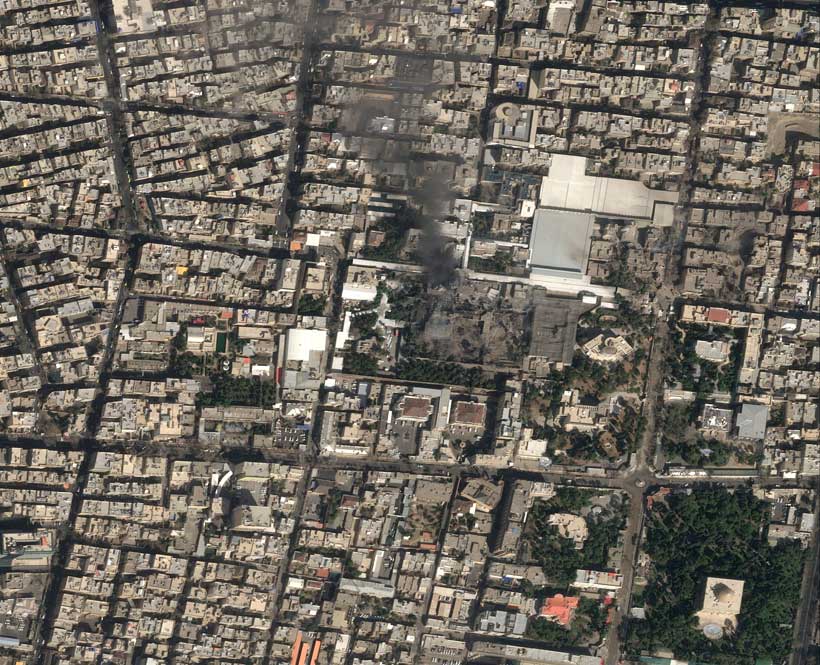
Donald Trump’s large-scale military actions against Iran represent a significant gamble for his presidency, with potential for severe implications and an unclear outcome. Partnering with Israel, Trump has initiated a campaign that may become the most substantial U.S. military operation since the Iraq and Afghanistan wars, yet fails to adequately communicate its motivations to the American public. He is transitioning from a strategy of limited military operations to a more expansive conflict, aiming for regime change in Tehran, fueled by the belief that air strikes can incite popular insurrection. Most analysts are skeptical about this approach’s efficacy, noting that outside air support has not directly led to regime changes without military ground intervention.
Concerning operational details, Trump’s announcement of “Operation Epic Fury” through social media highlighted his intent to dismantle Iran’s military assets and nuclear capabilities, despite the Iranian claim that their nuclear program is peaceful. Critics express concerns that this military escalation has negated any prospects for diplomatic resolution with Iran, following recent unsuccessful nuclear talks.

Trump’s narrative regarding the urgency of threats posed by Iran mirrors rhetoric used before the Iraq War, suggesting imminent dangers based on questionable intelligence. Disputed claims about Iran’s missile capabilities only add to the discourse’s uncertainty. His pursuit of regime change, while ruled out initially for deploying U.S. troops, raises questions on whether air strikes can effectively alter Iran’s robust, clerically-dominated government. Despite targeting senior Iranian officials, including commanders of the Revolutionary Guards, the broader implications of such strikes could lead to increased chaos or a potentially harsher military regime.
Experts argue that Trump’s calls for popular uprisings in Iran will likely backfire, as they may further endanger ordinary Iranians while lacking robust support. His escalating military actions stem from a growing appetite for aggressive foreign policy since his second term began, buoyed by previous military successes and the need to act on longstanding threats to Iran.
Advisers have warned Trump about the risks of U.S. casualties and the complexities of the Middle Eastern geopolitical landscape, yet they also emphasized potential advantages for American interests. The tactical developments following earlier successful strikes have likely bolstered Trump’s confidence. However, analysts caution that Iran poses a more entrenched and dangerous adversary than previous targets, and the consequences of military engagement could lead to escalating tensions and risks.
Some figures advocate Trump’s approach as one necessary to curtail Iran’s influence, suggesting that success could manifest through significant impairment of its nuclear capabilities, even without regime change. The outcome of this military venture remains highly uncertain, with significant risks tied to both U.S. interests and the broader region’s stability.
with information from Reuters