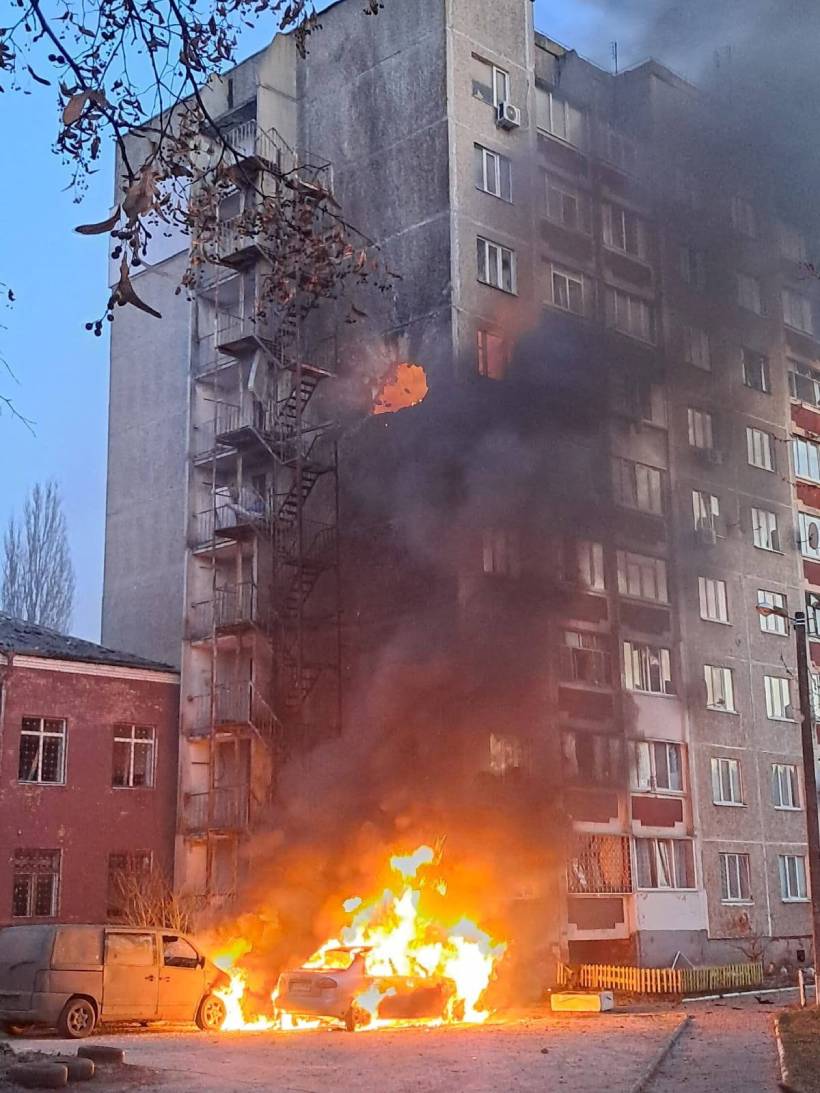
European intelligence chiefs are doubtful about reaching a peace agreement to end Russia’s war in Ukraine this year, despite claims by Donald Trump that U. S.-brokered talks are bringing a deal close. Leaders from five European spy agencies, speaking anonymously, believe Russia is not eager to quickly wrap up the conflict. They suggest that Moscow is using the ongoing talks with the U. S. to seek sanctions relief and other business deals instead.
The recent meeting in Geneva is seen as “negotiation theatre” by one European intelligence chief. This contrasts with the White House’s view, which Ukraine believes aims to finalize a peace agreement by June, ahead of the U. S. congressional mid-term elections. Trump has stated that he thinks Russian President Vladimir Putin is keen to negotiate a deal.
According to the intelligence chiefs, Russia’s strategic goals remain unchanged, including the removal of Ukrainian President Volodymyr Zelenskiy and establishing Ukraine as a neutral buffer state. One chief noted that Russia neither wants nor needs a swift peace, asserting that its economy is not collapsing. The agencies gather intelligence on Russia through various methods and consider it a primary target.
Putin has stated he is open to peace, but only on conditions that favor Russia. Officials from Russia argue that European governments have repeatedly misjudged their strategy. Ukrainian and Russian negotiators met recently for a U. S.-mediated session without achieving progress on critical issues like territorial disputes.
Zelenskiy expressed frustration at the lack of meaningful advancement in talks, suggesting that Russia is more focused on discussing historical elements rather than finding a quick resolution. Moscow is demanding Ukraine withdraw its military from the remaining 20% of the Donetsk region. An intelligence chief noted that while territorial acquisition in Donetsk might satisfy Russia, it wouldn’t address its goal of ousting Zelenskiy’s government.
Some intelligence officers warn there is a misunderstanding that Ukraine conceding territory would lead swiftly to peace talks. One chief predicted that such concessions might prompt Russia to make additional demands. Concerns have also been raised about the Western negotiators’ lack of skill, given that key U. S. figures involved are not trained diplomats.
The White House defended Trump and his team, claiming they have done more than anyone to push both sides towards peace. Two intelligence officials noted that Russia seems to be splitting the talks into two tracks: one for the war and another for bilateral U. S.-Russia agreements, which could include sanctions relief.
Zelenskiy mentioned that discussions around potential cooperation deals worth up to $12 trillion have been proposed by a Russian envoy. European officials did not provide further details, but indicate that Moscow’s offer targets both Trump and Russian oligarchs affected by sanctions. While some believe Russia can withstand economic strain, others caution of significant financial risks ahead for Russia, given sanctions and high borrowing costs.
With information from Reuters