Travel is often associated with leisure, discovery, and escape. Yet some of the world’s most meaningful journeys lead not to beaches or skylines, but to quiet halls, secluded retreats, and dignified cities where history pivoted toward peace. These are places where negotiators argued late into the night, where ceasefires were inked, and where the future of nations was reshaped—sometimes imperfectly, but decisively.
Tracing peace agreements through travel offers a deeper way to experience the world. It allows travelers to stand where compromise triumphed over conflict and to see how those locations have evolved from diplomatic stages into living destinations.
Versailles, France — From Royal Excess to International Reckoning
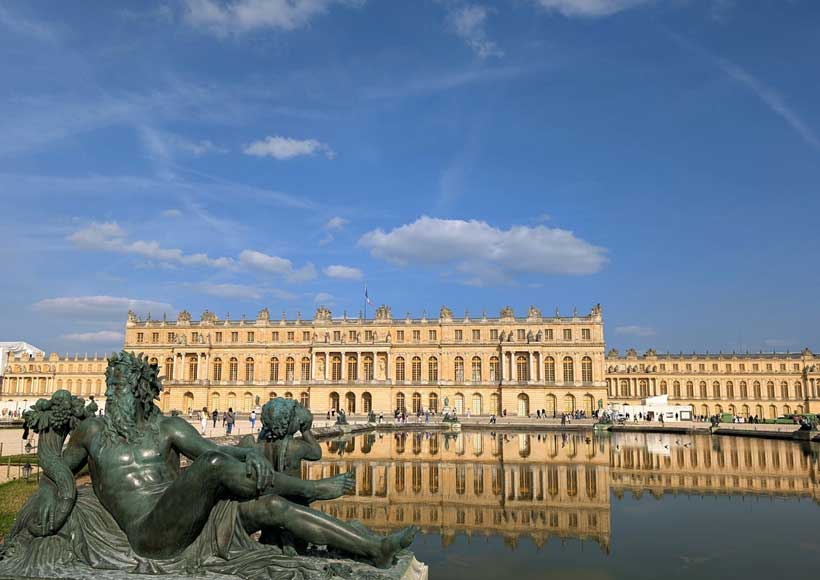
The Palace of Versailles is synonymous with grandeur: gilded ceilings, endless mirrors, and manicured gardens. Yet beneath its splendor lies a sobering diplomatic legacy. In 1919, the Treaty of Versailles was signed in the Hall of Mirrors, formally ending World War I.
Stay ahead of the geopolitical week.
MD Briefing delivers expert analysis across five global fronts — the Indo-Pacific, energy, geoeconomics, European security, and the Middle East — every Monday morning. Free.
Today, visitors walk through the same hall where diplomats gathered amid global exhaustion and political tension. The palace remains impeccably preserved, and tourists often focus on its royal past. Still, subtle signage and guided tours increasingly contextualize the treaty—explaining how its punitive terms reshaped Europe and, controversially, laid groundwork for future conflict.
Travelers leave Versailles with mixed emotions: admiration for its beauty, and reflection on how peace agreements, even when well-intended, can carry long shadows.

Camp David, USA — Peace Forged in Seclusion
Hidden in the wooded hills of Maryland, Camp David is one of the world’s most secretive diplomatic sites. In 1978, it hosted the Camp David Accords, where Egyptian President Anwar Sadat and Israeli Prime Minister Menachem Begin, under U.S. President Jimmy Carter’s mediation, negotiated a historic peace framework.
Camp David itself is off-limits to the public, but travelers can explore Catoctin Mountain Park, which surrounds the retreat. Hiking trails, overlooks, and quiet forest paths give a sense of the isolation that made intense negotiation possible.
The surrounding towns remain modest and unassuming—an intentional contrast to the gravity of decisions once made nearby. Visiting the area underscores a powerful truth of diplomacy: sometimes, peace requires distance from the world, not proximity to power.

Dayton, Ohio, USA — An Unlikely Setting for Balkan Peace
Few would expect Dayton, Ohio, to play a central role in ending the Bosnian War. Yet in 1995, the Dayton Peace Accords were negotiated at Wright-Patterson Air Force Base, chosen precisely for its isolation and security.
Today, Dayton embraces this chapter of its history. The Dayton International Peace Museum and memorials throughout the city explore the accords and their ongoing legacy in the Balkans. Downtown Dayton has reinvented itself with revitalized riverfronts, cultural venues, and a growing emphasis on education and innovation.
For travelers, Dayton offers a lesson in how diplomacy can unfold far from traditional power centers—and how cities can carry global significance without global fame.

Oslo, Norway — Quiet Capital of Backchannel Diplomacy
In the early 1990s, Oslo became the discreet host of secret negotiations between Israeli and Palestinian representatives, leading to the Oslo Accords. Norway’s reputation for neutrality and trustworthiness made it an ideal diplomatic intermediary.
Modern Oslo reflects these values. The city is calm, efficient, and deeply invested in peace-building identity. Visitors can explore the Nobel Peace Center, walk along the fjord-lined harbor, or visit Akershus Fortress, a reminder of Norway’s own complex past.
Unlike grand treaty halls, Oslo’s diplomatic spaces were modest homes and offices—reinforcing the idea that transformative agreements don’t always require monumental settings, only trust and patience.
Why These Journeys Matter
Traveling to sites of peace agreements is not about celebrating perfection. Many of these treaties remain debated, revised, or even broken. Instead, these journeys highlight diplomacy as a human endeavor—shaped by context, compromise, and constraint.
Standing in these places invites reflection:
- How does environment influence negotiation?
- What does peace look like decades later?
- How do destinations carry the memory of difficult decisions?
For travelers interested in diplomacy, these sites offer something rare: a chance to witness history not as a static exhibit, but as an evolving process etched into real landscapes and communities.
In tracing peace agreements through travel, we don’t just follow the path of history—we learn how fragile, complex, and necessary peace truly is.