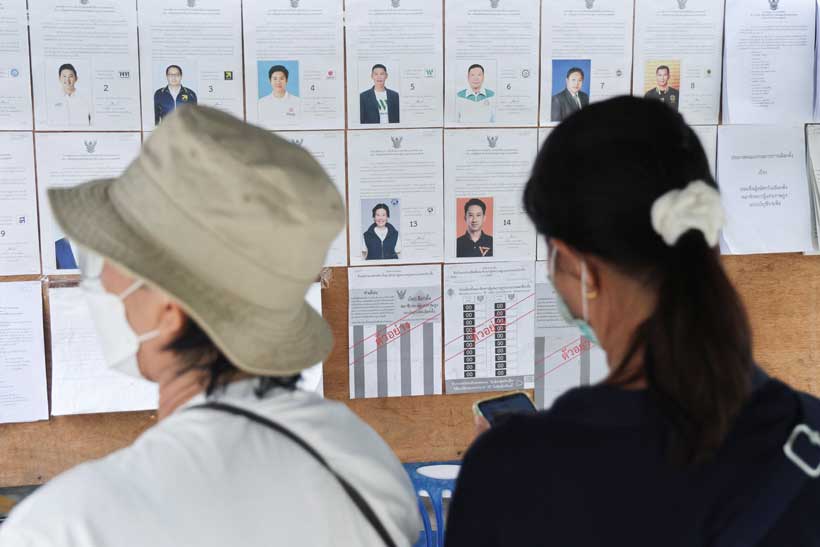
Voters in Thailand participated in a general election marked by a contest between three main groups: conservatives, progressives, and populists. No single party is anticipated to gain a clear majority, which could lead to ongoing political instability. Prime Minister Anutin Charnvirakul called for this snap election in December, amidst rising nationalism due to a border conflict with Cambodia, shortly after taking office following the removal of the populist Pheu Thai party’s premier, Paetongtarn Shinawatra.
Although Pheu Thai remains a contender with backing from former Prime Minister Thaksin Shinawatra, recent surveys show that the progressive People’s Party has led in public opinion during the campaign. Political scientists express skepticism about whether this election will resolve Thailand’s ongoing political and economic issues. Many voters, like Suwat Kiatsuwan, voiced the desire for change, reflecting a hope that new leadership could improve the situation.
Preliminary election results were expected after polls closed at 5 p.m. local time, with estimates suggesting that Anutin’s Bhumjaithai Party might win 140-150 seats in the 500-member House of Representatives, while the People’s Party could secure 125-135 seats. This outcome raises concerns about a repeat of past events where established parties have blocked reformist agendas.
In addition to the election, voters were also asked to decide whether a new constitution should replace the current 2017 charter, which is criticized for consolidating power in non-democratic institutions. If approved, drafting a new constitution would involve further amendments and referendums, impacting the political landscape significantly.
The election dynamics have shifted due to rising nationalism linked to the Thailand-Cambodia conflict, resulting in deflections and realignments among political parties. Various groups have sought to strengthen their positions by appealing to local loyalties and integrating well-known figures to gain support. The People’s Party has moderated its anti-establishment stance while attempting to present itself as capable of governance. Former Prime Minister Abhisit Vejjajiva has also re-engaged, possibly positioning the Democrat Party as a critical player in potential post-election coalitions.
With information from Reuters