


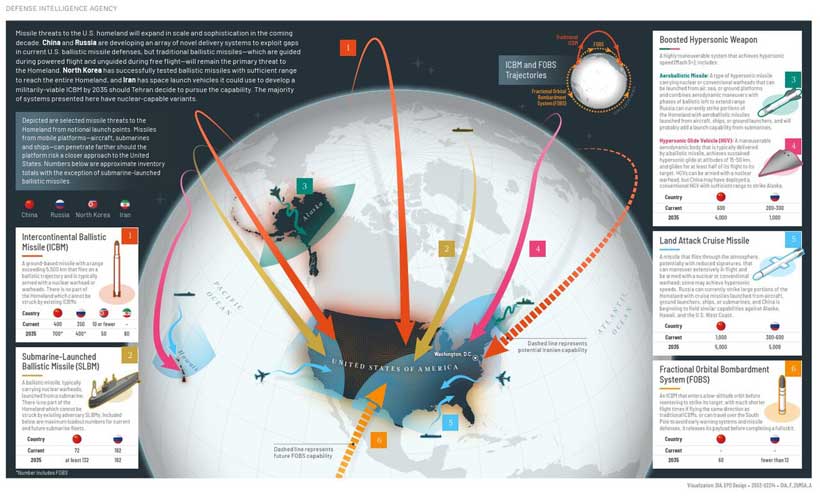
One year after its launch, President Donald Trump’s Golden Dome missile-defense initiative has made limited progress due to technical disputes and concerns over space-based components, which have delayed spending billions of allocated dollars. The executive order for Golden Dome was signed on January 27, 2025, aiming to implement a full homeland missile-defense system by 2028. However, a year later, much of the $25 billion set aside remains unspent as key architectural decisions are still under debate.
U. S. officials report that finalizing the missile defense shield’s architecture is ongoing, and the large-scale spending of funds has not commenced. Pentagon officials state that the Golden Dome office is meeting its goals and that foundational elements of the architecture are established, although specific details are classified. The initiative plans to enhance ground-based defenses and include experimental space-based elements designed to detect and counter threats from orbit, with discussions ongoing about advanced satellite networks and potential anti-satellite weapons.
Internal debates regarding classified space equipment are contributing to delays. Historically, the U. S. has opposed anti-satellite weapons due to concerns about space debris, leading to scrutiny regarding their compatibility with the missile shield. The program’s director, General Michael Guetlein, cannot advance to procurement contracts until key decisions about the architecture are made.
Recently, the Space Force awarded a few small-value Golden Dome contracts to develop competing missile defense prototypes. Experts suggest that while some progress can be made in the next three years, the project is unlikely to be completed by 2028. There are also unresolved discussions about the potential role of Greenland in the initiative, with Trump asserting its importance for the project, although existing agreements allow for expanded U. S. military operations there without it being part of Golden Dome’s plan.
With information from Reuters
