


NEWS BRIEF
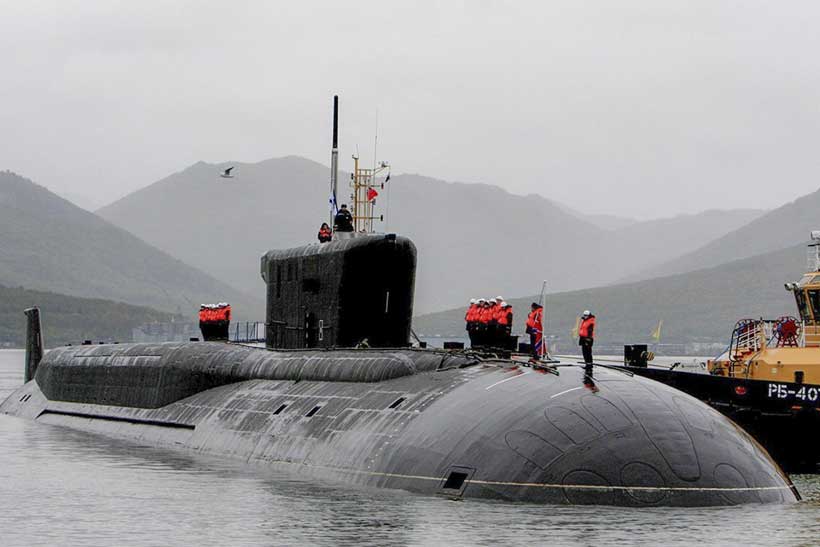
Russia has reportedly escalated the confrontation over Venezuela’s oil by deploying a submarine and naval vessels to escort an empty, sanctioned tanker that the U.S. has been pursuing for weeks, according to a Wall Street Journal report. This direct naval protection marks a significant intensification, as Moscow physically intervenes to shield a key asset from U.S. seizure while Washington simultaneously announces a plan to sell off $50 million barrels of confiscated Venezuelan crude.
WHAT HAPPENED
- The Wall Street Journal reports Russia has deployed a submarine and other warships to escort the tanker Marinera (formerly Bella 1), which is evading a U.S. blockade near Venezuela.
- Russia has formally asked the U.S. to stop pursuing the vessel, while its Foreign Ministry stated it is monitoring the situation “with concern.”
- The U.S. Coast Guard has trailed the ship into the Eastern Atlantic, approximately 300 miles south of Iceland, after failing to board and seize it in December.
- Concurrently, President Trump unveiled a plan to refine and sell up to 50 million barrels of Venezuelan oil previously stuck under U.S. sanctions, signaling coordination with the post-Maduro government.
WHY IT MATTERS
- This moves the crisis from a chase to a potential naval standoff. Russia is no longer just issuing diplomatic protests but providing armed, underwater escort to defy U.S. sanctions enforcement.
- It creates a direct “kinetic” test of Washington’s global blockade. The U.S. must now decide whether to intercept a Russian-flagged and Russian-escorted vessel, risking a military incident.
- The simultaneous announcement of selling Venezuela’s seized oil shows the U.S. is executing a two-track strategy: physically confiscating assets abroad while monetizing captured resources at home.
- Russia’s actions solidify its role as the military guarantor for regimes and assets targeted by U.S. “secondary sanctions,” offering a new service to its allies: armed protection from U.S. economic warfare.
IMPLICATIONS
- The U.S. faces a lose-lose choice: back down and see its sanctions enforcement credibility shattered, or escalate and risk a clash with Russian forces in international waters.
- This could establish a dangerous precedent for “sanctions-blockading,” where rival powers use naval forces to protect each other’s sanctioned trade, effectively militarizing global commerce.
- It may force the U.S. to permanently deploy significant naval assets to the Caribbean and Atlantic to enforce its Venezuela policy, stretching military resources.
- The successful sale of confiscated Venezuelan oil could become a model, incentivizing future U.S. interventions aimed at literally seizing and liquidating the sovereign assets of adversarial states.
This briefing is based on information from Reuters.
