


NEWS BRIEF
Kazakhstan’s oil output fell by 6% in December after a Ukrainian drone strike crippled Russia’s key Black Sea export terminal, revealing the unexpected regional ripple effects of Kyiv’s energy warfare. The attack on the Caspian Pipeline Consortium terminal, which handles 80% of Kazakhstan’s crude exports, has forced production cuts at the massive Chevron-led Tengiz field and rerouted flows in a blow to global energy logistics and Western-backed projects.
WHAT HAPPENED
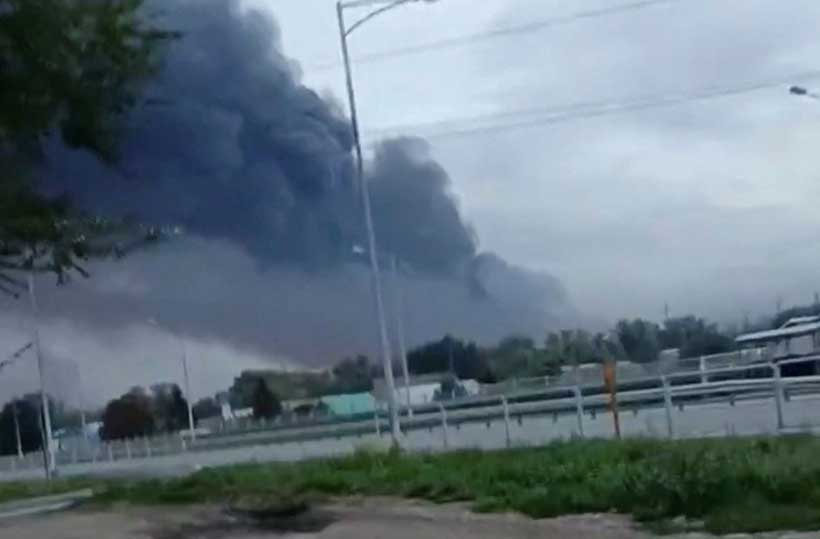
- Kazakhstan’s oil production fell by roughly 6% in the first 28 days of December following Ukraine’s November 29 drone attack on Russia’s Yuzhnaya Ozereevka export terminal.
- The terminal is part of the Caspian Pipeline Consortium (CPC), which handles about 80% of Kazakhstan’s crude exports.
- Output at the Chevron-operated Tengiz field, the country’s largest, dropped by 10% as export capacity was constrained.
- Kazakhstan has been forced to divert exports to alternative routes, including increased flows to Russia’s Atyrau-Samara pipeline and the Baku–Tbilisi–Ceyhan pipeline.
WHY IT MATTERS
- The disruption highlights how Ukraine’s strikes on Russian energy infrastructure are creating costly collateral damage for neutral third countries and Western oil majors invested in the region.
- Kazakhstan, the world’s 12th-largest oil producer, is a key non-OPEC supplier, and prolonged export constraints could tighten global markets and affect prices.
- The attack has undermined Chevron’s $48 billion expansion plan for Tengiz, delaying its goal of reaching 1 million barrels per day—nearly 1% of global output.
- It exposes the vulnerability of multinational energy investments in landlocked regions that depend on Russian transit routes and infrastructure.
IMPLICATIONS
- Kazakhstan may accelerate efforts to diversify export routes away from Russian-controlled corridors, strengthening ties with trans-Caspian and South Caucasus alternatives.
- Western oil majors operating in Kazakhstan, including Chevron, Exxon, Eni, and Shell, face increased political and logistical risks, potentially affecting future investment.
- The incident strains Kazakhstan’s delicate relationship with Russia, as Astana publicly criticized the attack and faces economic losses due to Moscow’s conflict.
- Ukraine’s strategy of targeting Russian energy exports may be reassessed if it continues to harm the economies of non-belligerent states and Western corporate interests.
This briefing is based on information from Reuters.
