


NEWS BRIEF
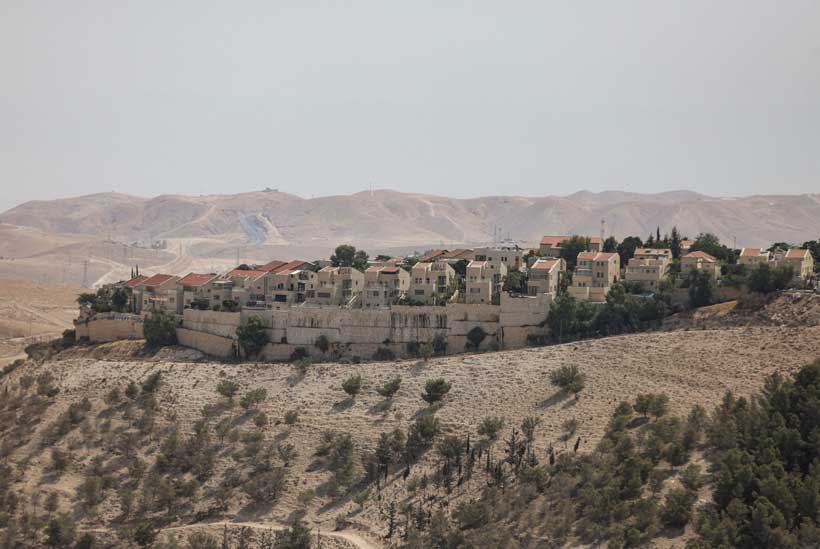
Israel has given final approval for 764 new housing units to be built across three settlements in the occupied West Bank, a move swiftly condemned by the Palestinian Authority as undermining peace efforts. Finance Minister Bezalel Smotrich, a staunch opponent of Palestinian statehood, noted his government has now advanced over 51,000 settlement housing units since taking office in 2022.
WHAT HAPPENED
- Israel’s Higher Planning Council gave final approval for 764 housing units across the settlements of Hashmonaim, Givat Zeev, and Beitar Illit in the occupied West Bank.
- Finance Minister Bezalel Smotrich, a key settler ally in the coalition, announced the approval, highlighting a total of 51,370 settlement units advanced since late 2022.
- The Palestinian Authority immediately condemned the move, calling on the U.S. to pressure Israel to reverse its settlement policies and abide by international law.
- The decision follows a record surge in violence, with the UN reporting 264 settler attacks against Palestinians in October, the highest monthly tally since 2006.
WHY IT MATTERS
- The approval demonstrates the acceleration of settlement expansion under Israel’s most right-wing government, directly challenging Palestinian statehood prospects.
- It intensifies diplomatic friction with the U.S. and international community, which consider settlements illegal under international law.
- The move occurs amid escalating violence in the West Bank, where settler attacks have reached unprecedented levels, exacerbating humanitarian and security crises.
- It signals a rejection of external diplomatic pressure, as the government prioritizes ideological and territorial claims over international consensus.
IMPLICATIONS
- Two-State Viability: Continued settlement expansion fragments Palestinian territory, making a contiguous, sovereign Palestinian state increasingly unviable.
- U.S.-Israel Relations: The move tests the Biden administration’s willingness to impose tangible consequences, such as sanctions or diplomatic measures, on settlement activity.
- Regional Stability: Settlement growth fuels Palestinian resentment and militancy, raising the risk of a broader escalation in the West Bank and beyond.
- International Law: Defiance of UN resolutions and international consensus weakens the global rules-based order and emboldens other states to violate territorial sovereignty.
This briefing is based on information from Reuters.
