


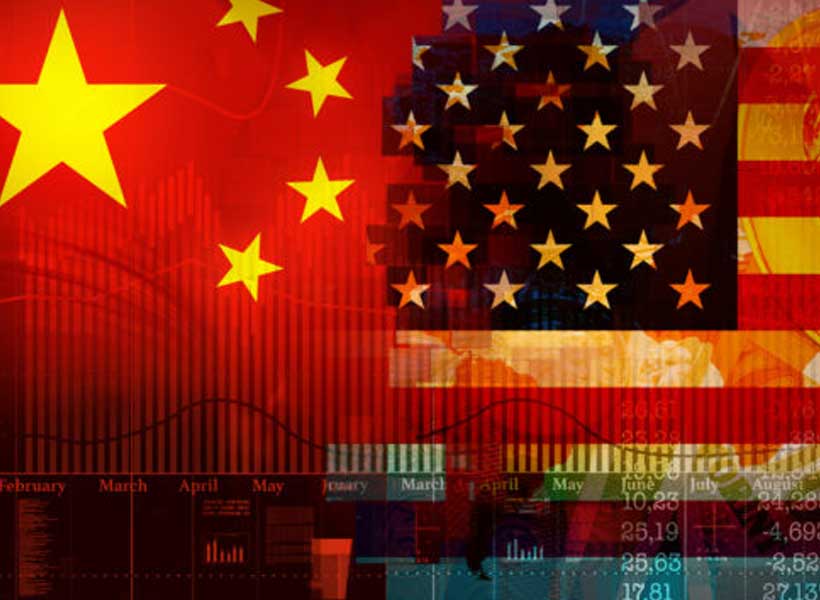
China’s exports rose far more than expected in November, climbing 5.9% year-on-year after a contraction the previous month. The rebound was driven almost entirely by stronger shipments to Europe, Africa and Latin America, as manufacturers pivot away from the U.S. market. Exports to the United States plunged 29% despite a recent agreement between Donald Trump and Xi Jinping to ease some tariffs. Imports also grew modestly at 1.9%, below expectations.
Why It Matters:
The data underscores a major structural shift in global trade: China is diversifying its export destinations to blunt the impact of Trump’s aggressive tariffs. Economists say lost U.S. market access has already shaved about 2 percentage points off China’s export growth, weighing on GDP. Despite November’s rebound, Chinese factories remain under pressure, with broader manufacturing contracting for an eighth straight month. Uncertainty linger as export orders remain in decline, signalling fragile demand.
What the Data Shows:
China’s trade surplus widened sharply to $111.7 billion in November, up from $90.1 billion in October. Although exporters saw a temporary boost from front-loading shipments earlier this year, that strategy has now faded, making China more dependent on non-U.S. markets to sustain growth. Economists warn that even with diversification, weak global demand and tariff-driven disruptions will continue to constrain China’s export engine.
Stakeholders & Global Impact:
For China, the shift opens new trade opportunities but also highlights the deep cost of reduced U.S. access. For Europe, Africa and Latin America, China’s pivot means deeper economic ties and greater competition with local producers. For the U.S., the steep drop in Chinese imports reflects the effectiveness and economic distortions of the tariff campaign. Global supply chains remain unsettled as exporters and buyers adjust to a long-term recalibration in trade flows.
Stay ahead of the geopolitical week.
MD Briefing delivers expert analysis across five global fronts — the Indo-Pacific, energy, geoeconomics, European security, and the Middle East — every Monday morning. Free.
What’s Next:
Analysts expect China’s export momentum to remain uneven as manufacturers search for alternative markets while navigating geopolitical tensions. Any further easing of U.S.–China trade restrictions could stabilize flows, but for now, Beijing appears committed to building resilience through broader global partnerships.
With information from Reuters.
