


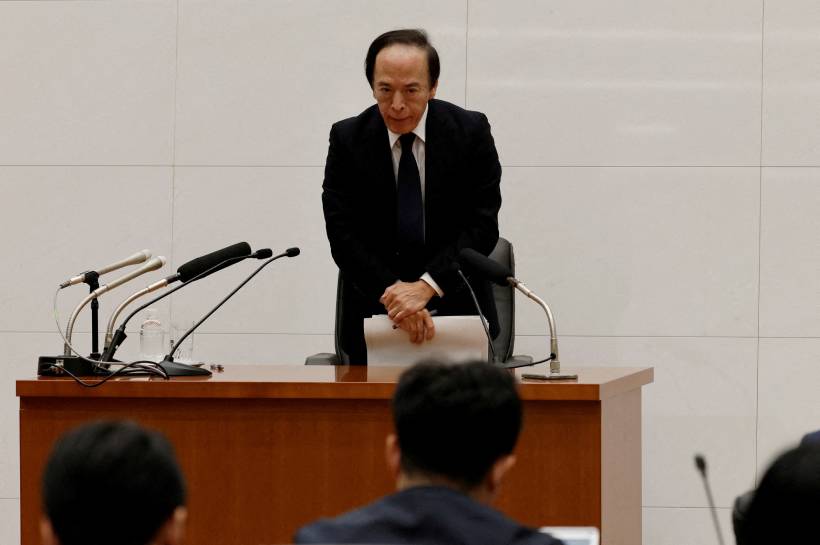
The Bank of Japan is weighing a potential interest rate increase at its December 18-19 policy meeting, Governor Kazuo Ueda said on Monday, signaling the clearest hawkish stance yet. The yen strengthened and Japanese government bond yields rose following his comments, reflecting market expectations of a hike. Ueda noted that corporate profits remain elevated and the economic uncertainty from U.S. tariffs is receding, creating conditions conducive to a rate increase.
The BOJ exited its decade-long stimulus programme last year and raised the policy rate to 0.5% in January, aiming to bring inflation sustainably to its 2% target. Since then, the rate has remained steady, though stubbornly high consumer inflation, particularly in food prices, has prompted debate among policymakers about the timing of further hikes.
Why It Matters
A potential rate hike marks a critical step in Japan’s post-stimulus normalization and could influence global currency and bond markets. The yen’s recent gains and higher bond yields signal renewed investor confidence in tighter monetary policy, while also easing pressure on import-driven inflation. Policymakers must balance supporting wage-driven growth with preventing abrupt market shocks, as any misstep could affect borrowing costs, consumer spending, and corporate investment across the economy.
Japanese households and businesses are directly affected, as higher interest rates influence borrowing costs for mortgages, corporate loans, and consumer credit. The government is closely watching currency fluctuations, as a weaker yen raises import costs and inflationary pressures. International investors and currency traders are also highly sensitive to BOJ policy moves, which could impact global capital flows. Economists and market analysts are monitoring wage growth, corporate profits, and upcoming U.S. economic data, all of which could influence the bank’s final decision.
Stay ahead of the geopolitical week.
MD Briefing delivers expert analysis across five global fronts — the Indo-Pacific, energy, geoeconomics, European security, and the Middle East — every Monday morning. Free.
What’s Next
The BOJ will continue to evaluate domestic and international economic trends, including corporate wage-setting behaviour and consumer price developments, before deciding whether to raise rates. While a December hike is widely anticipated, Ueda left room for a January move depending on incoming data and political developments. Markets are expected to remain volatile in the lead-up to the meeting, with the yen and bond yields likely responding to any signals from the central bank. Analysts project the policy rate could rise to 0.75% by March if the bank proceeds cautiously but steadily with tightening.
With information from Reuters.
