



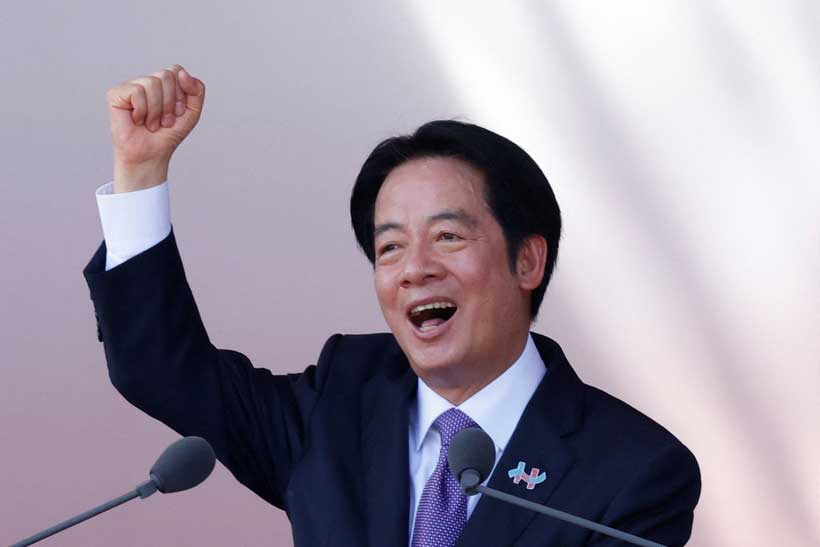
Taiwan has announced plans to roll out a new, multi-layered air defence system called “T-Dome”, aimed at improving the island’s response to potential aerial threats from China. The initiative, unveiled by President Lai Ching-te, is part of Taipei’s broader push to modernize its military and strengthen deterrence against Beijing’s growing military and political pressure. Defence Minister Wellington Koo explained that the system is based on a “sensor-to-shooter” integration model, designed to create faster, more efficient coordination between radar sensors and missile launch systems for improved interception accuracy.
Why It Matters
The T-Dome marks a significant leap in Taiwan’s defensive strategy as tensions with China intensify. By adopting a networked command and control structure similar to the U.S. military’s Joint All-Domain Command and Control (JADC2), Taipei aims to increase the precision and responsiveness of its missile systems.
This integrated approach is critical for Taiwan, which faces frequent Chinese military incursions and surveillance activities. A more efficient “kill chain” from detection to engagement could dramatically enhance the island’s ability to neutralize missile, drone, or aircraft threats before they reach strategic targets. The system’s emphasis on mobility and survivability also aligns with Taiwan’s asymmetric warfare doctrine, which prioritizes flexibility over numerical superiority.
The primary stakeholders include the Taiwanese government and armed forces, which will oversee and operate the new defence architecture. President Lai Ching-te’s administration is also politically invested in showcasing Taiwan’s military self-reliance amid Beijing’s increasing assertiveness.
Internationally, the United States plays an indirect but vital role, given its provision of Patriot missile systems and technological influence on Taiwan’s defence modernization.
China, viewing the island as its own territory, remains the main external factor shaping Taipei’s security calculus. Domestically, Taiwan’s defence industry including producers of the Sky Bow and Chiang-Kong missiles stands to benefit from new procurement and R&D funding tied to the T-Dome’s implementation.
Future Outlook
A special defence budget to be proposed by the end of the year will detail funding allocations for T-Dome-related procurement and upgrades. The plan aligns with President Lai’s pledge to raise defence spending to 5% of GDP by 2030, signaling a long-term commitment to bolstering Taiwan’s military resilience.
While Beijing continues to expand its arsenal with stealth aircraft and aircraft carriers, Taiwan’s T-Dome project underlines a shift toward intelligent defence systems and strategic agility. However, as China maintains its military pressure and cyber surveillance campaigns, the coming years will test whether Taiwan’s integration of advanced technology can effectively offset its numerical disadvantage and ensure credible deterrence.
With information from Reuters.
