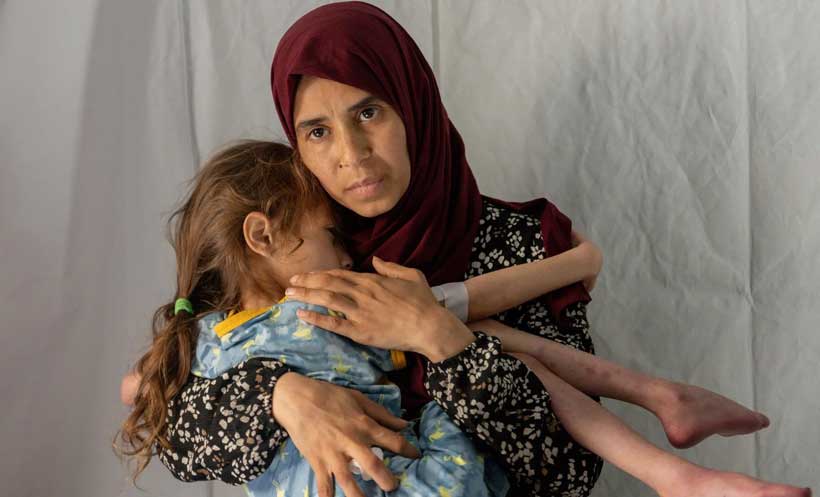
UNICEF has called for all crossings for food aid into Gaza to be opened, emphasizing the vulnerability of children who have not had proper food for a long time. UNICEF spokesperson Ricardo Pires highlighted the critical situation, stating that children’s compromised immune systems could lead to a rise in child deaths, especially among infants.
On the same day, Israeli troops started withdrawing from some areas of Gaza as part of a ceasefire agreement with Hamas, which is part of U. S. President Donald Trump’s plan to end the ongoing conflict. The United Nations plans to increase humanitarian aid delivery to Gaza during the first 60 days of the ceasefire, expecting about 600 aid trucks daily, along with numerous community distribution points and nutrition sites.
The WFP aims to begin scaling up aid delivery soon. However, this depends on the complete withdrawal of Israeli forces to allow for safe humanitarian zones. Access to northern Gaza is crucial, as many people there have not received aid for weeks. UNICEF indicated that 50,000 children in Gaza are at risk of acute malnutrition and require immediate assistance, including blankets and mobility aids.
Both UNICEF and the U. N. Palestinian refugee agency UNRWA mentioned that they need details about their roles during the ceasefire. UNRWA has requested permission to bring in substantial aid supplies from Jordan and Egypt, which has been stalled, while CARE International pointed out ongoing barriers in getting supplies into Gaza.
UNICEF: Child Deaths in Gaza Will Skyrocket Without Full Aid Access
UNICEF has called for all crossings for food aid into Gaza to be opened, emphasizing the vulnerability of children who have not had proper food for a long time.