


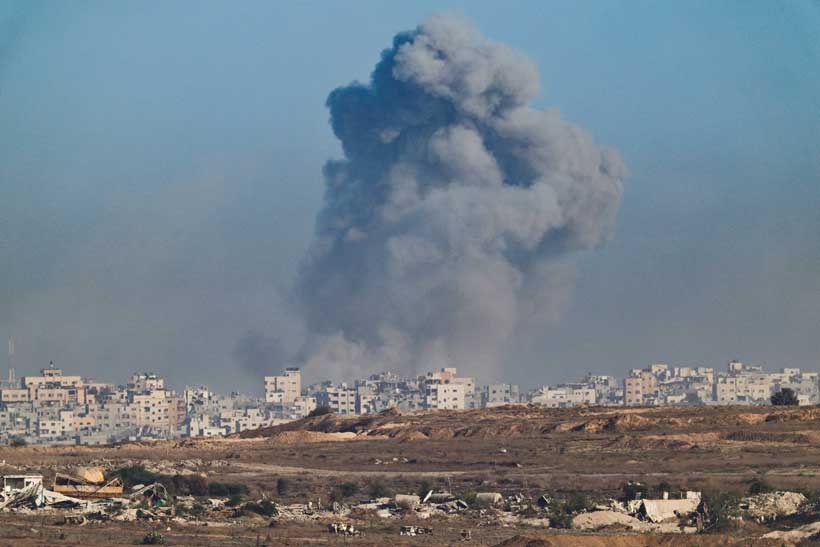
After two years of relentless conflict that began with Hamas’s October 7, 2023 attack on Israel, both sides have agreed to a ceasefire and hostage deal the first phase of a 20-point peace plan brokered by U.S. President Donald Trump. The Gaza war, one of the deadliest in modern Middle Eastern history, has killed more than 67,000 Palestinians and displaced over 2 million people.
The deal was finalized after weeks of indirect negotiations in Cairo, mediated by Egypt, Qatar, and the United States. It calls for the release of all Israeli hostages held in Gaza both alive and dead and for Israeli forces to withdraw to a designated “yellow line” inside the enclave, marking the first stage of a broader pullback.
Trump announced the agreement on Wednesday night, calling it “the first step toward a strong, durable, and everlasting peace.” The announcement came one day after the second anniversary of the Hamas attack that ignited the conflict.
Why It Matters
This is the most significant diplomatic breakthrough since the start of the Gaza war. The agreement could pave the way for a permanent truce and a post-war governance structure for Gaza issues that have divided regional powers and stalled peace efforts for months.
Stay ahead of the geopolitical week.
MD Briefing delivers expert analysis across five global fronts — the Indo-Pacific, energy, geoeconomics, European security, and the Middle East — every Monday morning. Free.
If implemented, the ceasefire would end large-scale hostilities that have drawn in Lebanon’s Hezbollah, Yemen’s Houthis, and Iran-backed militias across the region. It would also mark Trump’s most consequential foreign policy achievement since returning to the White House earlier this year, potentially reshaping U.S. influence in the Middle East.
For Israel, the deal offers a chance to repatriate the last remaining hostages and begin disengagement from a costly military campaign. For Palestinians, it raises cautious hopes of relief from airstrikes and shortages of food, fuel, and medicine.
Oil prices fell slightly after news of the agreement, easing fears of a wider regional escalation.
Israel: Prime Minister Benjamin Netanyahu said he will convene his cabinet on Thursday to approve the agreement. Once ratified, Israeli troops are expected to pull back within 24 hours. The Israeli military warned that parts of Gaza remain unsafe and that “returning there remains extremely dangerous.”
Hamas: The group confirmed the deal, saying it will release living hostages within 72 hours of Israel’s withdrawal. Hamas insists it will only transfer power to a Palestinian technocratic government backed by the Arab League not to foreign administrators.
United States: Trump has positioned himself as the central broker of the peace plan, coordinating with Egypt, Qatar, and Saudi Arabia. The White House says the next stage will focus on reconstruction and security arrangements in Gaza, potentially under international supervision.
Regional and International Actors: Egypt and Qatar welcomed the ceasefire, urging both parties to “seize the opportunity for lasting peace.” The United Nations called for immediate humanitarian access, while Arab states warned that peace will remain fragile without progress toward a Palestinian state.
What’s Next
Israel’s cabinet is expected to approve the deal within 24 hours. Once approved, the first group of hostages could be released as early as Monday. Recovery of bodies from collapsed buildings in Gaza may take longer, officials said.
The second phase of Trump’s plan involves creating an interim international administration to oversee Gaza’s recovery a proposal led by Trump and former British Prime Minister Tony Blair. Hamas has rejected this idea, setting the stage for fresh disputes once fighting stops.
Analysts caution that while the deal offers hope, deep political divisions remain. Hamas has refused to disarm, and Israel insists the group must be removed from power. Without clarity on Gaza’s governance and long-term security, the ceasefire could remain fragile.
As one regional analyst put it: “This agreement pauses the war it doesn’t end it. The next few weeks will determine whether peace can hold.”
With information from Reuters.
