


NEWS BRIEF
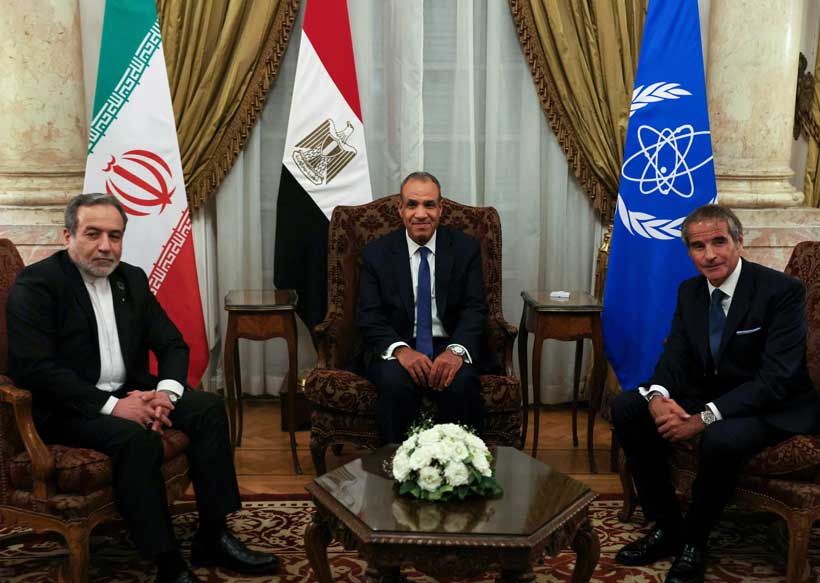
Iran and the International Atomic Energy Agency (IAEA) have reached an agreement to resume nuclear inspections, marking a tentative step toward de-escalation amid European threats to reimpose sanctions. The deal, announced after talks in Cairo, aims to address long-standing disputes over access to bombed nuclear sites and accounting for enriched uranium stockpiles, though critical details remain undisclosed, and Iran warned the agreement would be void if sanctions are reinstated.
WHAT HAPPENED
- IAEA Chief Rafael Grossi and Iranian Foreign Minister Abbas Araqchi agreed on “practical modalities” to resume inspections at Iranian nuclear facilities, including sites bombed by the U.S. and Israel in June.
- The deal seeks to reconcile Iran’s domestic legislation, which restricted IAEA access after the attacks, with its obligations under the Nuclear Non-Proliferation Treaty.
- Iran warned that any reimposition of U.N. sanctions would nullify the agreement, directly responding to European threats to trigger a “snapback” of sanctions by late September.
- The IAEA confirmed Iran’s pre-attack uranium stockpile included material enriched to 60% purity—enough for 10 nuclear weapons if further refined.
WHY IT MATTERS
Stay ahead of the geopolitical week.
MD Briefing delivers expert analysis across five global fronts — the Indo-Pacific, energy, geoeconomics, European security, and the Middle East — every Monday morning. Free.
- The agreement could temporarily avert a diplomatic crisis by delaying European moves to reimpose stringent sanctions, buying time for broader negotiations.
- Inspections are critical for monitoring Iran’s nuclear activities, especially given concerns over undeclared sites and highly enriched uranium stockpiles.
- Iran’s conditioning of cooperation on sanctions relief underscores the fragile, transactional nature of the negotiation process.
IMPLICATIONS
- If inspections resume promptly, the IAEA could regain visibility into Iran’s nuclear program, reducing the risk of unchecked escalation.
- European powers are likely to delay “snapback” sanctions if Iran demonstrates compliance, though mistrust remains high.
- Failure to implement the agreement could lead to renewed sanctions, further isolating Iran and jeopardizing future diplomatic efforts.
- The deal does not address core issues like Iran’s weapons-grade uranium stockpile or long-term constraints on its nuclear ambitions.
This briefing is based on information from Reuters.
