


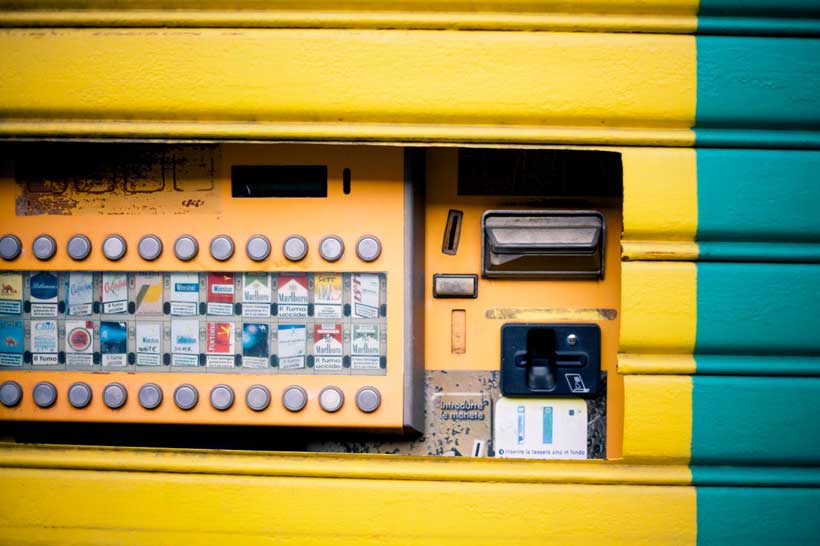
In its latest crusade against smoking, the European Union is preparing to yet again hike taxes on cigarettes, raising their prices by almost 30% through the Tobacco Excise Directive. The EU approach is a deeply regressive one that disproportionately harms low-income individuals, fuels illicit trade, and, as global experience shows, fosters sprawling black markets for cigarettes.
Far more effective and targeted strategies exist to counter smoking without any of the collateral damage, but they are left unexplored by EU politicians. European health policy leaders should embrace the blueprint for drastic smoking reduction set forth by the success of Sweden.
Attempts to crack down on smoking with bans and taxes have been tried several times in recent decades, with meager results. The main effect has been booming black markets for tobacco products. Australia, once at the forefront of the fight against smoking, now faces an out-of-control underground market characterized by regular firebombings of tobacconists.
Even the Guardian, once the standard-bearer of aggressive anti-smoking policies, now admits that approach does not work. “The black market for tobacco has flourished in the shadow of Australia’s aggressive tax policy, creating a lucrative opportunity for organized crime,” confesses a recent article. “As legal tobacco prices have soared, criminal networks have profited by undercutting legal products, offering smokers a cheaper alternative that circumvents regulation and taxation.”
Stay ahead of the geopolitical week.
MD Briefing delivers expert analysis across five global fronts — the Indo-Pacific, energy, geoeconomics, European security, and the Middle East — every Monday morning. Free.
In the UK, legal tobacco sales have fallen by almost 40% in the last four years, while daily cigarette consumption has remained the same through the period. The only plausible explanation for the sudden drop is the black market coming to fill the gap. It doesn’t take much to uncover the booming illicit market. One Brit wrote about finding wantonly discarded cigarette packets on the street that do not meet British regulations and can’t have been sold legally.
When legal cigarettes become too expensive thanks to high taxes, consumers switch to illegal sellers. Given widespread black markets for cigarettes now exist across Europe, it is not a given that such a massive tax hike would even bring higher revenue to national budgets. Experts at the European Taxpayers’ Association say higher tobacco taxes do not mean more revenue.
In the Netherlands, a recent increase in excise duty on cigarettes has brought in a disappointing sum for the government. Dutch politicians are even calling for a cut to cigarette taxes, purely in the hope a lower rate will increase revenues by boosting the number of legal cigarette sales, which pay tax, as opposed to black market ones, which do not. Wopke Hoekstra, Dutch EU commissioner with the climate portfolio, is leading the charge for high EU-wide tobacco taxes. Is it possible he wants to conceal his own country’s mistake by dragging the rest of the continent down on the same sinking ship?
The new EU sin tax increase would most likely bring about more violence and crime in European cities and fill the pockets of gangs undertaking massive smuggling operations, not to mention providing a further hit to the domestic budgets of the poorest citizens. The tax on cigarettes has been repeatedly shown to be highly regressive, hitting the poor hardest. What’s more, cigarette duties do not have the desired benefits. Despite exceedingly high tax rates, smoking is much more common among low-income groups.
Europe should abandon the proposed tax hike. Happily, though, the policy arsenal is not entirely depleted. There are other options. EU regulators must finally embrace the only path left: harm reduction. This approach has already proven successful in helping countless individuals break free from cigarette smoke. Sweden has the lowest adult smoking rate in the developed world of only 5.8% (the EU average is 23%).
How did Sweden quit smoking? The country’s success largely stems from its embrace of innovative nicotine alternatives. Smoking rates have dropped sharply alongside the growing availability and social acceptance of products like snus, nicotine pouches, vapes, and heated tobacco. As NGO network We Are Innovation notes in a report on the subject, these harm reduction tools have been central to Sweden’s progress.
A Eurobarometer 539 survey shows two striking findings. The data reveals many smokers are using these alternatives to reduce or quit their addiction with widespread success. In addition, the study shows nicotine pouches and vapes are a pathway out of smoking, not a gateway for non-users into nicotine.
I am not a smoker. In my 23 years of life, I have not smoked a single pack of cigarettes. In that sense, I do not have a dog in this fight. Whether a pack of cigarettes costs one euro or 50, my consumption of nicotine will remain at around zero. I am a tobacco abstinent, despite growing up in Luxembourg, one of the countries famous for its early smoking age and bargain cigarette prices, which attract cross-border shopping.
And yet, I still feel strongly about this awful policy from the EU for high cigarette taxes because it seems destined to fail. I believe we should fight the proposed price hike. Legalization of healthier smoking alternatives is the only policy capable of saving lives. If Brussels cares about public health, fighting crime, or even just tax revenues, it should ditch its tobacco tax grab before it’s too late.
