



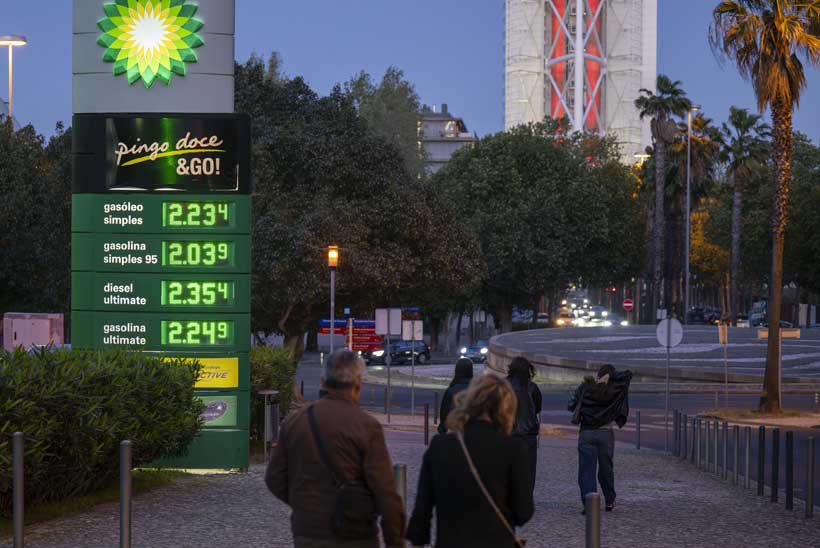
As the energy crisis from the Iran war escalates, countries worldwide, from Australia to Egypt, are taking steps to conserve fuel. This includes promoting remote work, limiting air travel, and encouraging public transport. However, most European countries are not following suit, apart from a few minor exceptions. The impact on Europe is not as severe as during the 2022 crisis caused by Russia’s invasion of Ukraine, which had resulted in drastic cuts to gas supplies and rapid price increases.
European governments face political challenges regarding the cost of living and energy, especially after events like the 2018 “yellow vests” protests in France against diesel tax hikes. Politicians are currently more focused on providing financial support to households facing rising fuel costs rather than enforcing energy-saving measures. Analysts indicate that demand-reduction measures are generally unpopular, suggesting that policymakers prefer not to push these initiatives.
Out of over 180 measures implemented by European governments to tackle the energy crisis, fewer than 10 are largely voluntary steps aimed at reducing energy consumption. Recent EU recommendations excluded earlier proposals for energy-curbing initiatives, such as car-free days and encouraging remote work, despite their prior consideration. European governments have committed nearly 14 billion euros to respond to the energy challenges, a small amount compared to the 500 billion euros offered back in 2022, and this continues to strain public budgets.
Current strategies tend to be broad, such as fuel tax cuts in countries like Germany and Spain, instead of targeted support for the most vulnerable households. Critics argue that these measures not only incur heavy costs but also detract from the urgency to transition to cleaner energy sources. Experts suggest that the oil price crisis acts like a global carbon tax, prompting the need for improved fuel efficiency in transportation.
Despite the 2022 energy crisis leading to recommendations for energy conservation, including remote work and driving less, European natural gas prices remain lower than in 2022, leading governments to refrain from stringent measures compared to countries in Asia that rely more on Middle Eastern energy. Polish Energy Minister Milosz Motyka has expressed concerns that strict measures might incite panic and hoarding.
While many Europeans are hesitant about enforced energy-saving measures, there is a demonstrated willingness to conserve energy. For instance, initiatives in Ireland in 2022 prompted a 12% drop in household electricity use, and a majority of Germans reported reducing heating energy usage during the winter following Russia’s invasion of Ukraine. Some argue it would be wise for governments to encourage energy conservation now to lower prices and bolster gas storage for summer. Former Italian Minister Enrico Giovannini acknowledged the economic costs of travel restrictions, emphasizing that such measures should only be a last resort, but warned that more drastic actions may be necessary if the conflict continues.
With information from Reuters
