



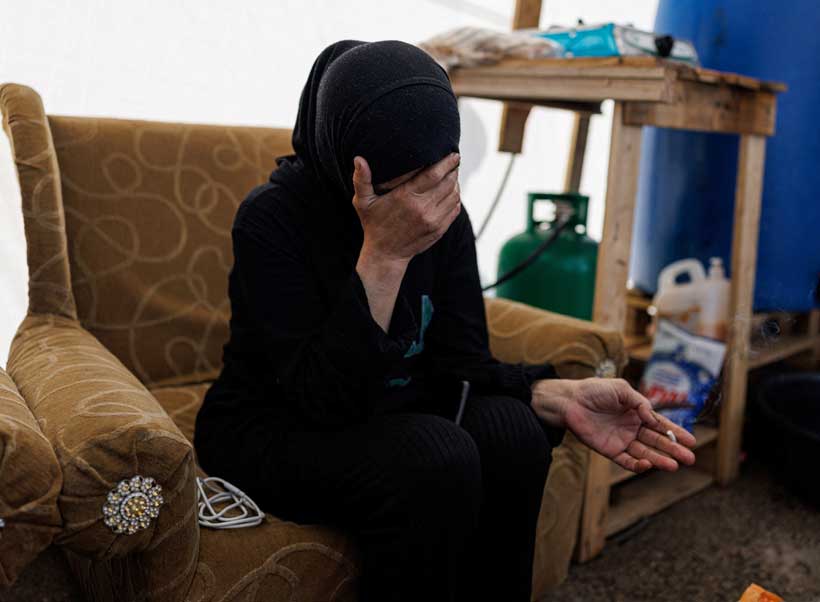
Rabih Khreiss, a father of nine, is struggling to adjust to life after fleeing his hometown of Khiyam in southern Lebanon on March 2, just before the start of a new war triggered by an attack from Hezbollah on Israel. Previously able to support his family through his car workshop, he now lives in a tent in Beirut, relying on donations to survive. He feels trapped, comparing his situation to a life sentence without knowing when relief will come.
Khreiss and his family live in makeshift tents, facing daily challenges such as bathing in plastic tubs and finding healthcare for his sister, who has cancer. He expresses a longing to escape their dire circumstances, wishing for a lottery win that could change their lives. Despite a U. S.-brokered ceasefire, Israel continues to strike Lebanon and occupies parts of the south, demolishing homes it labels Hezbollah infrastructure. This ongoing conflict has left many, including 1.2 million displaced people, in despair as they cannot return home.
Khreiss reminisces about Khiyam, stating it holds all his memories and loved ones. He has endured significant trauma in past conflicts, including an incident where one of his sons lost an eye during an Israeli airstrike in 2024. Although he rebuilt his garage after that war, he now fears for its condition and his family’s future. He worries about the impact of their situation on his children’s well-being, noting that they have never experienced joy or normal childhood activities. With no work and escalating anxiety, Khreiss is contemplating selling his car as a last resort to provide for his family, feeling immense responsibility yet powerless in their current plight.
With information from Reuters
