


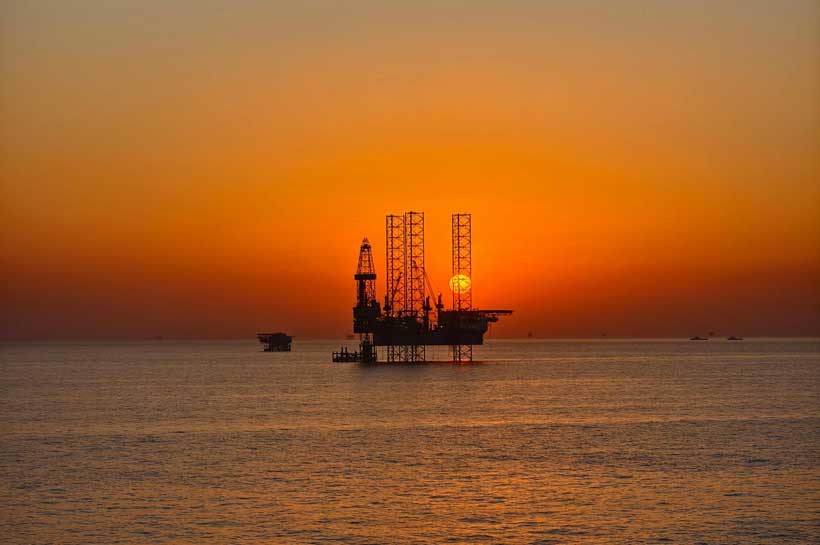
The war involving Iran and the disruption of oil shipments through the Strait of Hormuz have pushed global crude prices sharply higher, creating strong demand for increased United States shale oil production. Rising prices and export demand have encouraged American shale producers to expand drilling activity, especially in the Permian Basin, although industry experts say growth will remain more controlled than during the previous shale boom.
Higher Oil Prices Boost United States Production
Since the conflict began, benchmark United States crude prices have climbed significantly, while crude exports reached record highs. The United States has increased its role as a major supplier to global markets, helping offset supply shortages affecting Asia and Europe after disruptions in the Gulf region.
Permian Basin Leads New Shale Expansion
Most of the recent production increase is coming from the Permian Basin in Texas, the most productive and cost efficient shale region in the country. Companies including ConocoPhillips, EOG Resources, and Diamondback Energy are increasing drilling and completing previously unused wells to quickly raise output.
Technology Speeds Up Oil Production
Improved drilling methods, artificial intelligence, and the use of drilled but uncompleted wells are allowing producers to respond faster to market demand. Hydraulic fracturing activity has also increased, signalling that production may continue rising through the coming months.
Stay ahead of the geopolitical week.
MD Briefing delivers expert analysis across five global fronts — the Indo-Pacific, energy, geoeconomics, European security, and the Middle East — every Monday morning. Free.
Energy Companies Remain Financially Disciplined
Despite strong prices, major energy companies are avoiding aggressive expansion. Producers are focusing on profitability and investor discipline after past periods of overproduction damaged the industry financially. Large companies such as Exxon Mobil and Chevron have not significantly changed their long term production plans.
Analysis
The Iran conflict has strengthened the strategic importance of United States shale oil in global energy markets. American producers have once again demonstrated their ability to respond rapidly during supply shocks, reinforcing the country’s role as a major global energy supplier.
However, the industry has changed significantly from the rapid growth years of the past decade. Investors now expect financial discipline, while mature shale basins are becoming more expensive and difficult to develop. This means future production growth is likely to remain steady rather than explosive, even if oil prices stay elevated.
The situation also highlights how geopolitical instability in the Middle East continues to reshape global energy flows, benefiting United States exporters while increasing pressure on international energy markets and consumers worldwide.
With information from Reuters.
